
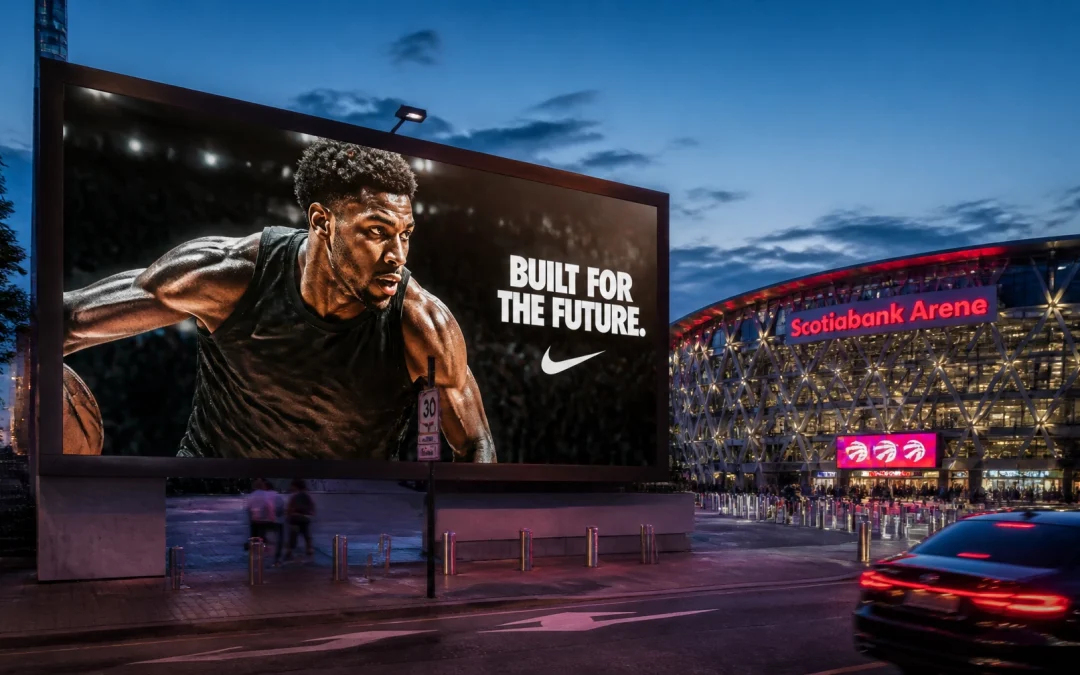
The landscape of sports marketing is undergoing a significant transformation as digital out of home (DOOH) advertising moves from a peripheral tactic to a central pillar of omnichannel strategy. OOH Sports, a key division of the Sports Media Inc. family, has officially announced a massive expansion of its digital sports network. This development provides brands, media buyers, and chief marketing officers with an unprecedented level of access to fans during the most high-emotion moments of the sporting calendar.
The expansion is not merely a matter of more screens. It represents a sophisticated integration of geography, technology, and audience psychology. By blanketing the areas surrounding major sports venues with high-definition digital displays, OOH Sports has created a specialized ecosystem designed to capture the attention of fans at every stage of their game-day journey. This strategic growth allows for a more precise, data-driven approach to sports marketing that goes beyond traditional stadium sponsorships.
Strategy: The 10-Mile Perimeter Advantage
The cornerstone of the expanded OOH Sports network is the implementation of a 10-mile advertising perimeter around major professional and collegiate sports venues. This geographic strategy is based on the reality of fan behavior. While the game happens inside the arena, the "fan experience" begins hours earlier and miles away.
By securing a dominant presence within this 10-mile radius, the network ensures that a brand’s message is the first and last thing a fan sees. This area includes the primary transit arteries, commuter hubs, and high-traffic retail corridors that fans must navigate to reach the stadium. The objective is to create a sense of brand ubiquity during the hours when fan engagement and excitement are at their peak.

Objective & Strategy: Reaching the Modern Fan
The primary objective of this network expansion is to bridge the gap between traditional outdoor advertising and the precision of digital marketing. Modern sports fans are highly mobile and constantly connected. To reach them effectively, advertising must be contextually relevant and delivered in real time.
The OOH Sports strategy focuses on three core pillars:
- Contextual Relevance: Delivering ads that align with the specific event taking place, the time of day, and the current atmosphere of the fan base.
- High-Frequency Exposure: Utilizing multiple touchpoints across the fan's journey to build brand recall through repeated, consistent messaging.
- Seamless Digital Integration: Ensuring that the physical outdoor presence is backed by digital capabilities that allow for retargeting and attribution.
This multi-layered approach allows brand managers and creative directors to craft campaigns that feel like a natural part of the sports event rather than an external interruption.
Network Footprint: Beyond the Stadium
A common misconception in sports marketing is that the audience is only found within the stadium seats. The OOH Sports expansion addresses this by placing digital screens in the diverse environments where fans spend their time before and after the final whistle.
Transit and Commuter Hubs
The network now includes a robust presence in airports, train stations, and bus terminals. These are high-dwell environments where traveling fans are often looking for information or entertainment. Large-format digital displays in these hubs provide an ideal canvas for high-impact brand storytelling.
Hospitality and Social Spaces
The expansion has significantly increased the number of screens in sports bars, restaurants, and hotels. These venues serve as the secondary "home" for the game-day experience. Fans gather in these locations to pre-game or watch the action if they do not have tickets. Advertisements in these social spaces benefit from a relaxed, receptive audience that is already focused on sports-related content.
Retail and Path-to-Purchase
Digital screens in convenience stores, grocery outlets, and retail centers within the 10-mile zone are a critical addition to the network. This placement targets fans during their "stock-up" phase. Whether they are purchasing beverages, snacks, or team apparel, brands can influence last-minute purchase decisions at the exact moment the consumer is reaching for a product.

Technology Partners: The Power of Programmatic
The true intelligence behind the OOH Sports expansion lies in its technological infrastructure. The network is fully integrated with leading programmatic DOOH (pDOOH) platforms, including specialized partners like StackAdapt.
Programmatic technology allows media buyers to move away from static, long-term contracts and toward flexible, automated buying. Campaigns can be activated based on specific triggers such as game start times, weather conditions, or even real-time score updates. This level of agility ensures that marketing budgets are spent only when and where they will have the most impact.
By utilizing a demand-side platform (DSP), advertisers can manage their OOH spend alongside their mobile and desktop campaigns. This unified approach provides a holistic view of the customer journey and allows for sophisticated audience segmenting based on past behaviors and geographic location.
Execution and Targeting: Real-Time Precision
The execution of a campaign on the expanded OOH Sports network involves more than just uploading a creative file. It utilizes advanced targeting techniques that were previously reserved for online advertising.
Device ID Retargeting
One of the most powerful features of the network is the ability to capture anonymized device IDs of consumers who are exposed to the digital screens. These IDs can then be used to retarget the same audience with follow-up ads on their mobile devices or social media feeds. This creates a powerful reinforcement loop, moving the fan from awareness to consideration and, eventually, to purchase.
Dynamic Creative Optimization
The digital nature of the network allows for dynamic creative that can change in an instant. For example, a beverage brand can display a "Stock Up for the Big Game" message in the morning and switch to a "Celebrate the Win" creative the moment the home team secures a victory. This relevance significantly increases the effectiveness of the advertisement.

The Fan Journey Methodology
To maximize the impact of the expanded network, OOH Sports utilizes a "Fan Journey" methodology. This framework breaks down the day of a sporting event into four distinct phases, each requiring a different creative approach.
- Preparation: During the hours leading up to the game, the focus is on transit hubs and retail locations. Messaging centers on preparation, travel, and purchasing essentials.
- Arrival: As fans enter the 10-mile perimeter, large-format billboards and street furniture become the primary tools. The goal here is high-impact brand awareness and building excitement as fans approach the venue.
- The Event: While the game is in progress, the network shifts focus to social hubs like sports bars and restaurants. This captures the "overflow" audience and those who are watching the game away from the stadium.
- Departure: After the game, the messaging shifts to post-game activities. This includes advertisements for rideshare services, dining options, or "victory" celebratory offers.
This structured approach ensures that the brand remains a constant companion to the fan throughout the entire experience.
Results and Impact: Quantifying the Shift
The effectiveness of the expanded OOH Sports network is backed by significant data and case studies. By moving away from general reach and focusing on the high-intent sports audience, brands have seen measurable lifts across various key performance indicators.
Recent data from campaigns running on the network highlights the magnitude of this impact:
- White Claw: A programmatic DOOH campaign aimed at launching a new vodka product saw a 74% lift in purchase consideration among sports fans. By targeting the areas surrounding major venues, the brand was able to establish itself within a competitive category quickly.
- Mike's Hard Iced Tea: Utilizing the network's social hub locations, this campaign achieved a 119% lift in positive brand image. The contextual alignment with a fun, social environment proved highly effective.
- Sea-Doo: In its first foray into digital OOH, the brand saw a 144% increase in purchase consideration. The campaign utilized the high-visibility screens of the OOH Sports network to reach an active, outdoor-oriented demographic.
These results demonstrate that the combination of geographic dominance and programmatic precision delivers a return on investment that traditional outdoor advertising often struggles to match. Detailed analysis of these outcomes can be found in the OOH Sports case study library.
Conclusion
The expansion of the OOH Sports network represents a new era in sports marketing. By combining the massive reach of traditional billboards with the precision of programmatic technology and the context of the 10-mile fan perimeter, the network offers an unparalleled platform for brand growth.
For media buyers and brand managers, the opportunity is clear. Dominating the sports market no longer requires an official stadium sponsorship. Instead, it requires a strategic, multi-touchpoint presence that follows the fan wherever they go. With its expanded footprint and advanced targeting capabilities, OOH Sports is the essential partner for any brand looking to win in the arena of sports media.
To learn more about the network's capabilities or to begin planning a campaign, visit the OOH Sports marketing page or explore the about section for more details on the Sports Media Inc. family. The future of sports advertising is here, and it is digital, programmatic, and centered on the fan.