
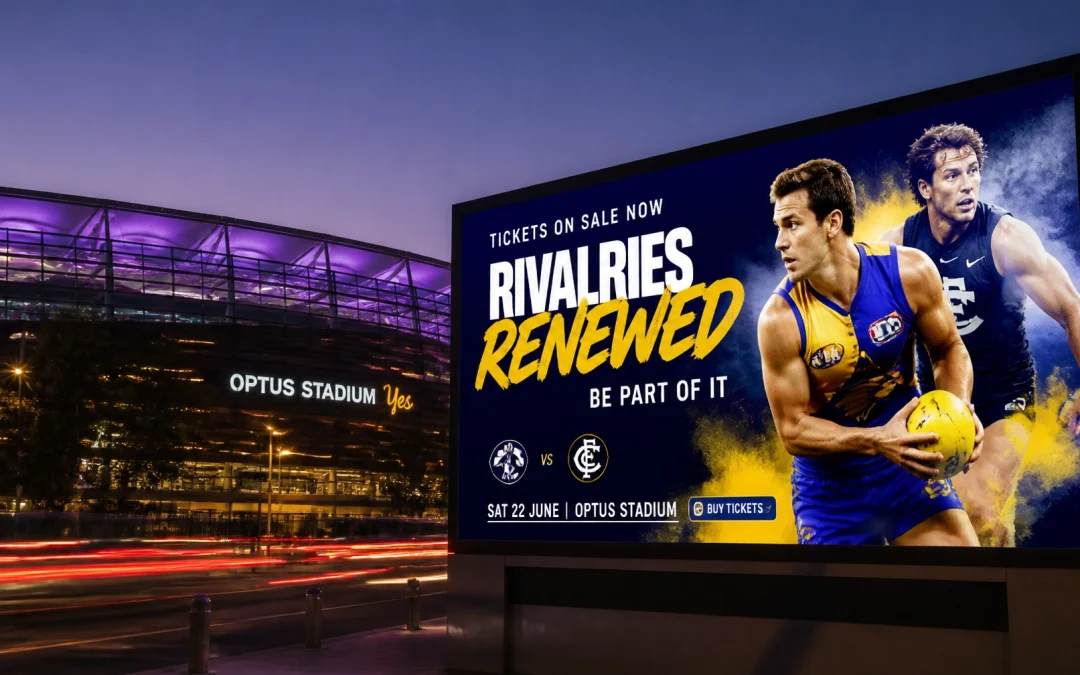
Digital out of home (DOOH) advertising has undergone a significant transformation. Once viewed primarily as a medium for broad brand awareness, it has evolved into a precision-engineered performance channel. This shift is particularly evident in the sports media landscape, where the intersection of live events, high-density fan clusters, and advanced technology creates a unique opportunity for brand growth. For media buyers and planners, understanding the mechanics of this evolution is essential for navigating the complex digital out of home sports network.
The following guide provides a detailed analysis of current industry insights, strategic frameworks, and technological advancements that are defining the future of sports media. By focusing on data-driven tactics and measurable outcomes, brands can effectively reach audiences within the critical ten-mile perimeter surrounding major sports venues.
Objective and Strategy
The primary objective of modern sports DOOH is to synchronize brand messaging with the passionate, high-stakes environment of live athletics. Strategy development must go beyond simple screen placement. It requires a comprehensive understanding of the fan journey, from the initial commute to the final whistle and the celebrations that follow.
The core strategy involves three distinct phases:
- Pre-Game Anticipation: Targeting fans during their commute to the stadium or while they gather at local establishments. This phase focuses on building excitement and establishing brand presence when the audience is most attentive.
- In-Game Engagement: Utilizing screens within sports bars, gyms, and retail centers to reach fans who are actively consuming the event. This allows for real-time relevance and contextual alignment with game developments.
- Post-Game Action: Capturing the audience as they depart the venue or continue their evening. This phase is critical for driving immediate actions, such as app downloads, retail visits, or service sign-ups.
By mapping these phases to specific geographic locations and digital inventory, advertisers can create a continuous narrative that resonates with the target demographic. Information on specialized inventory can be found on the OOH Sports Sportrons page, which details high-impact displays tailored for these environments.
Technology Partners and Platforms
Success in the digital out of home space is largely dependent on the integration of sophisticated technology partners. The transition from manual buying to programmatic execution has allowed for unprecedented levels of agility and precision. Demand-Side Platforms (DSPs) and Supply-Side Platforms (SSPs) are the primary engines driving this efficiency.
Key technological components include:
- Programmatic DSPs: Platforms such as StackAdapt or Vistar Media allow buyers to automate the bidding process. This technology enables the purchase of inventory based on specific audience data, weather triggers, or real-time sports scores.
- Data Management Platforms (DMPs): These are used to ingest and analyze massive datasets, including mobile location data and consumer purchase behavior. This information is essential for identifying fan segments like "fantasy sports enthusiasts" or "betting app users."
- Dynamic Creative Optimization (DCO): DCO engines allow for the automated assembly of creative assets in real-time. This ensures that the message on a digital billboard reflects current conditions, such as the score of a game or a limited-time offer.
Partnerships with these platforms enable a more streamlined workflow and provide the transparency needed for rigorous campaign evaluation. For those interested in how these partnerships manifest in real-world applications, the About OOH Sports section provides additional context on the company’s role in this ecosystem.

Strategy: Precision Targeting and Geofencing
Effective sports DOOH strategy relies heavily on the concept of proximity. The ability to target screens within a specific radius of a stadium ensures that the advertising budget is spent on the most relevant audience. However, precision targeting goes beyond simple geography.
Audience Segmentation
Advancements in mobile ID tracking allow for the creation of highly specific audience segments. By identifying device IDs that frequently visit sports venues or use athletic-related apps, advertisers can build a profile of the ideal consumer. This data is then used to activate digital screens only when these specific segments are likely to be present.
Geofencing and the 10-Mile Perimeter
Geofencing technology allows for the creation of virtual boundaries around points of interest. In the context of sports media, a 10-mile perimeter around a stadium is the standard for high-impact reach. This zone captures fans at various touchpoints:
- Transit Hubs: Reaching fans as they arrive via train, bus, or ride-share.
- Retail and Dining: Targeting sports bars, restaurants, and grocery stores where fans gather before and after events.
- Roadside Billboards: Capturing the attention of those driving to the arena.
Real-Time Triggers
The use of real-time triggers is a hallmark of advanced DOOH strategy. By connecting the campaign to live sports data feeds, creative can be updated instantly based on game events. For example, a beverage brand might trigger a "celebratory" creative variant immediately following a home team victory. This level of contextual relevance is significantly more effective than static, generic messaging.

Results: Measuring the Impact of DOOH
The shift toward performance-driven DOOH is supported by a growing body of data and case studies. Modern measurement techniques now allow for the tracking of lower-funnel metrics that were previously difficult to attribute to out of home advertising.
Campaigns executed within the OOH Sports network have demonstrated significant lift across multiple key performance indicators (KPIs). For instance, an analysis of the White Claw programmatic campaign revealed a 74 percent lift in purchase consideration for their vodka launch. This was achieved by leveraging precise targeting and high-impact digital inventory.
Similarly, other notable campaigns have reported the following results:
- AB InBev’s Mike’s Hard Iced Tea: This campaign saw a 119 percent lift in positive brand image by utilizing a programmatic DOOH approach that synchronized with fan activity.
- Sea-Doo: Their first digital OOH campaign resulted in a 144 percent increase in purchase consideration, highlighting the effectiveness of the medium for lifestyle and recreational brands.
Measurement is often conducted through brand lift studies and device ID exposure analysis. By comparing a group of users who were exposed to the DOOH ads against a control group of unexposed users, data scientists can determine the precise incremental impact of the campaign. This rigorous approach provides the "proof of concept" required by chief marketing officers and brand managers. Detailed insights into these metrics are available on the Case Study archive.
Omnichannel Integration and the Fan Experience
DOOH does not exist in a vacuum. Its greatest strength lies in its ability to act as the "connective tissue" in an omnichannel marketing strategy. When fans are at a sports bar or near a stadium, they are often using a second screen. This behavior presents an opportunity for retargeting and cross-platform reinforcement.
Strategies for successful integration include:
- Mobile Retargeting: Using the device IDs captured during DOOH exposure to serve follow-up ads on social media or mobile apps. This keeps the brand top-of-mind long after the fan has left the stadium area.
- QR Code Engagement: Incorporating high-visibility QR codes into digital creative to bridge the gap between the physical and digital worlds. This is particularly effective for driving app installs or promoting sports betting platforms.
- CTV Alignment: Coordinating DOOH buys with Connected TV (CTV) schedules. A fan who sees a brand on a stadium concourse screen and then again on a streaming sports broadcast at home experiences a powerful, unified brand message.
The objective is to create a seamless experience for the fan, where the brand presence feels natural and additive to the sports event rather than intrusive.

Future Trends in Sports Media
Looking forward, several key trends are expected to further define the DOOH landscape. Artificial intelligence will play an increasingly central role in optimizing creative and predicting audience movements with even greater accuracy.
- AI-Driven Creative Optimization: Beyond simple triggers, AI will be used to analyze which visual elements generate the highest engagement and automatically adjust the creative mix accordingly.
- Expansion of Small-Screen Networks: The growth of digital screens in non-traditional venues, such as EV charging stations and ride-share vehicles, will provide new touchpoints for reaching fans during their entire journey.
- Standardization and Transparency: Continued efforts by industry bodies like the OAAA to standardize venue taxonomies and measurement protocols will make DOOH even easier for media planners to buy and evaluate at scale.
As the industry moves toward a more automated and data-centric model, the brands that succeed will be those that embrace these technological shifts while maintaining a focus on high-quality, contextually relevant creative.
Conclusion
The digital out of home industry offers a robust framework for brands looking to capitalize on the unique energy of sports media. By moving beyond traditional advertising methods and adopting a strategy based on programmatic technology, precision targeting, and rigorous measurement, advertisers can achieve remarkable results. The data is clear: DOOH is no longer just a supporting player. It is a primary driver of brand lift and purchase consideration in the modern sports ecosystem. For those ready to explore the possibilities of this dynamic medium, the tools and technology are already in place to turn fans into loyal customers.