
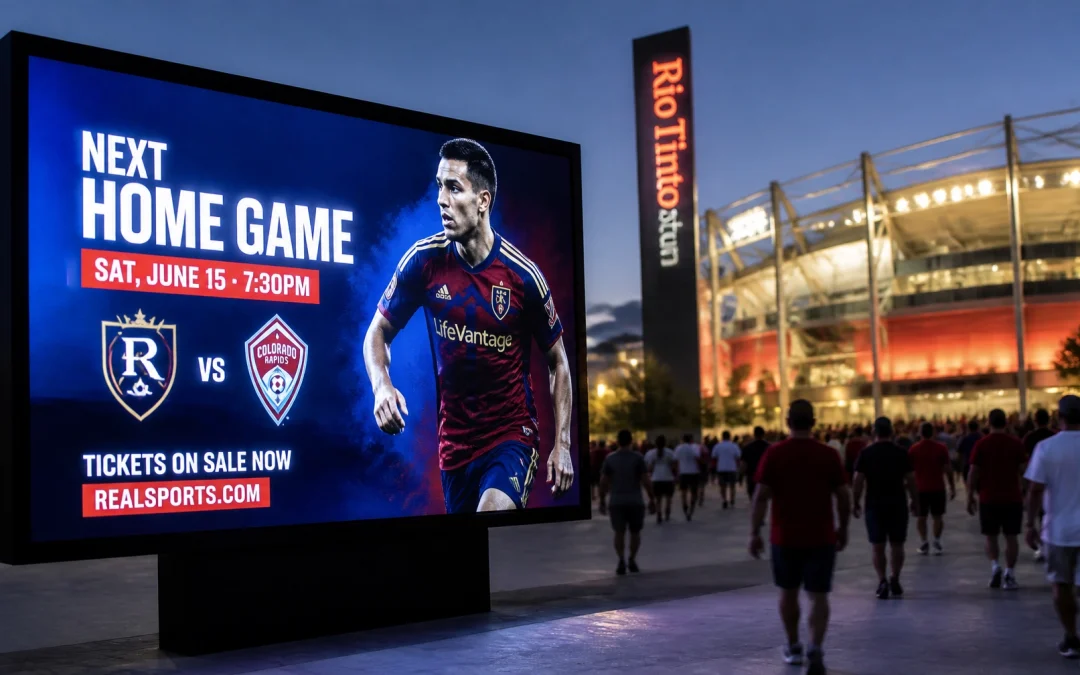
The landscape of sports marketing is undergoing a significant transformation. Traditional sponsorships that once relied heavily on static banners and fixed television spots are moving toward more agile, data-driven solutions. Digital Out Of Home (DOOH) advertising has emerged as a cornerstone of this innovation. It offers media buyers and brand managers the ability to connect with fans in high-impact environments with unprecedented precision.
As the sports industry embraces new technologies, the integration of programmatic buying into physical spaces has changed how brands interact with audiences. It is no longer just about having a presence at the stadium. It is about reaching the fan at the right moment, with the right message, throughout their entire journey. Here are seven essential things to understand about the current state and future of DOOH in sports marketing.
1. Programmatic Precision and Flexibility
Programmatic DOOH (pDOOH) has brought the same level of automation and targeting found in online advertising to the physical world. Instead of committing to long-term contracts for a single static board, advertisers can now buy screen time across a network of displays using real-time bidding. This flexibility allows for campaigns that can be paused, adjusted, or scaled with minimal lead time.
In the context of sports, this means a brand can activate screens specifically during a playoff run or a high-profile championship weekend. The ability to control inventory through a Demand Side Platform (DSP) like StackAdapt ensures that marketing spend is used efficiently.
Strategy and Logistics
- Automation: Buying is handled through automated platforms, reducing manual negotiation.
- Targeting: Screens are selected based on audience density and fan demographics.
- Optimization: Creative can be swapped instantly to reflect changing campaign goals.

2. The Power of the 10-Mile Perimeter
One of the most effective strategies in modern sports marketing is the use of perimeter targeting. While the interior of a stadium is a prime location, the 10-mile radius surrounding the venue is where fans live, travel, and celebrate. This zone includes transit hubs, shopping centers, and residential areas that experience a surge in traffic during game days.
By blanketing this 10-mile perimeter, a brand can maintain a consistent presence. The exposure begins as the fan leaves their home, continues as they commute to the game, and persists during the post-game celebration. This geographical focus ensures that the brand remains top of mind throughout the entire fan experience. The network provided by OOH Sports specializes in this type of perimeter coverage, ensuring that every digital board within the radius is accessible to the advertiser.
3. Reaching the Fan Mindset
Successful sports marketing is about more than just location. It is about the mindset of the viewer. Fans are often in a state of high emotional engagement during sports events. This "fan mindset" is characterized by excitement, community, and receptivity to brands that enhance the experience.
DOOH allows advertisers to tailor messages to specific psychological states. For example, a campaign might focus on "pre-game hype" on screens near transit lines, shifting to "celebration" or "refreshment" themes in the hours following a victory. Research indicates that ads aligned with a consumer's current emotional state or activity are significantly more memorable. By targeting screens in gyms, sports bars, and retail environments, brands reach fans when they are most likely to be thinking about sports and related lifestyle choices.

4. Real-Time Dynamic Creative
Static images are increasingly being replaced by dynamic creative that reacts to real-world triggers. DOOH technology allows screens to update based on live data feeds. In sports, the most common trigger is the live score of a game.
Imagine a digital billboard that updates the score of a local rivalry in real time. Beside the score, a brand offers a "victory discount" that activates only if the home team wins. Other triggers include weather, time of day, or even the current traffic levels near the stadium. This level of relevance transforms an advertisement into a useful piece of information, increasing the likelihood of consumer engagement.
Creative Tactics
- Live Score Updates: Syncing ad copy with the current game status.
- Weather Triggers: Promoting cold drinks on hot game days or apparel during sudden rain.
- Countdown Timers: Building anticipation for the start of a major tournament.

5. Measurable Results and Attribution
A common misconception about out of home advertising is that it is difficult to measure. Modern DOOH has solved this through advanced attribution modeling and mobile location data. By tracking device IDs that have been exposed to a specific screen, marketers can determine the impact of a campaign on web traffic, app installs, and even physical store visits.
A notable example of this success is the White Claw programmatic DOOH campaign, which saw a 74% lift in purchase consideration. These results are quantified using brand lift studies and foot traffic analysis. This data-driven approach allows media buyers to justify their spend with clear before and after comparisons, proving the effectiveness of the sports marketing investment.
6. Lowering the Barrier to Entry
In the past, stadium advertising was often reserved for global brands with massive budgets and multi-year contracts. The rise of DOOH and pDOOH has democratized access to these high-value audiences. Smaller brands and regional players can now purchase impressions in and around major sports venues without the need for a six-figure direct deal.
This shift allows for more tactical, short-term activations. A local restaurant or a specialized sports apparel startup can run a campaign specifically for the duration of a three-day tournament. This flexibility has turned sports marketing into a viable option for a wider range of businesses, fostering a more diverse and innovative advertising environment. The availability of Sportrons and other digital formats ensures that high-impact placements are available to any brand ready to participate.
7. Omnichannel Integration
DOOH does not exist in a vacuum. The most innovative sports marketing strategies use DOOH as a physical anchor for a broader omnichannel campaign. When a fan sees a digital billboard near a stadium, they should also see a consistent message on their mobile device or through Connected TV (CTV) at home.
Retargeting is a key component here. If a fan's mobile device is detected near a DOOH screen, that same fan can be served a follow-up ad on social media or through a mobile app later in the day. This reinforcement creates a cohesive brand story that follows the consumer across multiple touchpoints. Coordination between case study results and current campaigns shows that this integrated approach leads to much higher brand recall and conversion rates than single-channel efforts.

The Future of the Fan Experience
The innovation in sports marketing is ultimately about enhancing the fan experience. By moving away from intrusive or irrelevant advertising and toward helpful, dynamic, and well-timed content, brands become a part of the game day excitement. DOOH provides the infrastructure needed to achieve this at scale.
Whether it is through a 10-mile perimeter strategy or real-time score updates, the goal is to be present where the fans are. As technology continues to evolve, the distinction between the digital world and the physical sports environment will continue to blur. For media planners and brand managers, understanding these seven pillars of DOOH is the first step toward creating a truly innovative and effective sports marketing campaign.