
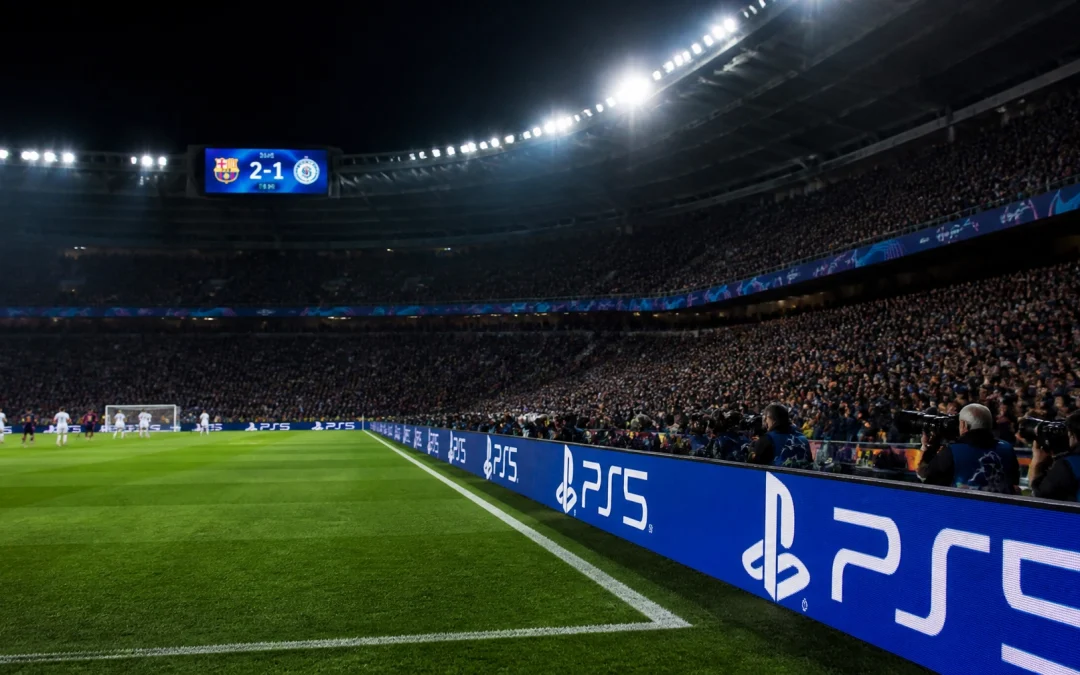
Fan engagement is the cornerstone of sports marketing, yet many brands find that their carefully crafted strategies often fall flat. Despite significant investments in social media campaigns, mobile apps, and influencer partnerships, the connection between a brand and a sports fan can remain superficial. The challenge lies in a landscape that is increasingly noisy, fragmented, and prone to digital fatigue.
To achieve a meaningful impact, marketing leaders must look beyond the screen in a fan’s hand and focus on the environment where the passion actually lives. Strategic perimeter advertising, specifically within a ten-mile radius of sports venues, offers a solution to the most common engagement failures. This article examines ten specific reasons why traditional strategies often miss the mark and explains how a perimeter-focused approach transforms fan engagement into measurable brand growth.
1. Digital Fatigue and Ad-Blocking
The modern consumer is bombarded with thousands of digital impressions daily. On a typical game day, a fan’s mobile device is a constant stream of notifications, texts, and social media updates. This leads to a phenomenon known as digital fatigue, where users subconsciously filter out promotional content. Furthermore, the widespread use of ad-blocking software means that many digital-first strategies never even reach the intended audience. In contrast, physical perimeter advertising is impossible to "scroll past" or block. It exists in the real world, commanding attention as part of the event’s visual landscape.
2. Lack of Local Context
Many fan engagement campaigns are launched with a broad, national focus that ignores the hyper-local energy of a game. A creative director might design a beautiful campaign, but if it does not resonate with the specific atmosphere of the local stadium or arena, it feels like generic noise. Perimeter advertising solves this by grounding the brand in the physical vicinity of the action. By targeting the ten-mile radius around a venue, a brand becomes a part of the local community’s game-day ritual, from the drive to the stadium to the post-game celebration.
3. The "Second Screen" Distraction
While marketers often view the "second screen" (the mobile phone) as an opportunity, it is frequently a distraction. Fans using their phones during a game are often distracted from the live experience, leading to fragmented attention. When a brand’s primary engagement tool is an app or a social feed, it competes with every other notification on that device. Perimeter ads, however, work in harmony with the primary screen: the field of play. They capture attention during the natural lulls and high-tension moments of the game without requiring the fan to look away from the action.

4. High Friction and Barrier to Entry
Many engagement strategies require fans to take too many steps. Whether it is downloading a specific app, signing up for a newsletter, or participating in a complex social media contest, each step is a point of friction where a fan might drop off. During the excitement of a live sporting event, fans prioritize ease and speed. Perimeter advertising provides a low-friction touchpoint. A high-impact visual on a digital billboard near the stadium communicates a message instantly, requiring no active effort from the fan to be processed and remembered.
5. Failure to Capture the "Stadium Halo"
There is a unique emotional high associated with attending a live game, often referred to as the "stadium halo." Fans are at their most passionate, attentive, and receptive during these hours. Traditional digital campaigns that hit a fan on a Tuesday afternoon cannot replicate the psychological impact of a brand that appears when the fan is surrounded by 50,000 cheering peers. Perimeter advertising leverages this emotional peak, associating the brand with the positive feelings generated by the sports experience.
6. One-Way Communication Without Action
Many strategies fail because they treat the fan as a passive recipient of information rather than an active participant. If a campaign is purely broadcast-oriented without a clear, localized call to action, it loses its momentum. The shift toward programmatic digital out of home (DOOH) advertising allows perimeter boards to become interactive gateways. By using these boards to display real-time scores, betting odds, or local store offers, brands can turn a static impression into an actionable moment.
7. Static Messaging in a Dynamic Environment
A sporting event is unpredictable and dynamic. A strategy that relies on static, pre-planned content often feels out of sync with the reality of the game. If a team is losing or a major injury occurs, a pre-scheduled "celebration" ad can feel tone-deaf. Perimeter advertising through a digital network allows for real-time creative updates. This ensures that the messaging remains relevant to the current atmosphere, a crucial factor in maintaining fan respect and engagement.
8. Missing the Pre-Game and Post-Game Journey
Fan engagement should not start and end at the stadium gates. Many strategies focus exclusively on the "in-seat" experience, ignoring the hours fans spend traveling to and from the venue. The perimeter approach extends the brand’s reach to the entire game-day journey. By placing ads on digital screens along major transit routes and near popular fan hangouts within a ten-mile radius, the brand builds a continuous narrative that surrounds the fan from the moment they leave their house.

9. Fragmented Brand Identity Across Channels
When the digital team and the outdoor media team operate in silos, the fan experiences a fragmented brand identity. A fan might see one message on Instagram and a completely different visual style on a stadium sign. This inconsistency weakens brand recall. A unified perimeter strategy ensures that the visual impact of the stadium boards matches the broader omnichannel campaign, reinforcing the brand identity through repetition and proximity.
10. Poor Measurement and Attribution
Finally, many engagement strategies fail because they are difficult to measure accurately beyond "likes" or "shares," which rarely correlate with actual sales. Marketers need harder data to justify their spend. The shift toward digital perimeter advertising has introduced sophisticated measurement tools, including mobile device ID tracking and brand lift studies. This allows CMOs to see exactly how many fans were exposed to an ad and how that exposure influenced their subsequent behavior or purchase intent.
Objective & Strategy: Why Perimeter Ads are the Answer
The objective of a perimeter-based strategy is to create a "brand saturation zone" where the target audience is most concentrated and emotionally engaged. Instead of trying to find fans across the vast expanse of the internet, the strategy focuses on the physical locations where they are guaranteed to be.
The strategy involves a multi-layered approach:
- Targeting: Identifying every digital video advertising board within a 10-mile radius of the sports venue.
- Frequency: Ensuring the brand is visible at multiple touchpoints throughout the game-day journey.
- Relevance: Using dynamic creative that reflects the specific sport, team, or local culture to build an immediate bond with the audience.
Technology Partners and Execution
Execution of this strategy relies on advanced programmatic technology. By collaborating with specialized platforms, brands can buy perimeter inventory with the same precision as digital display ads. This technology allows for "trigger-based" advertising, where ads are displayed based on real-time factors like weather, game scores, or traffic patterns.
For example, a beverage brand might trigger specific creative when the temperature at the stadium exceeds 80 degrees, or a ride-share company might increase its presence on perimeter boards during the fourth quarter to capture fans planning their trip home. This level of technical fluency ensures that every dollar spent is optimized for maximum relevance and impact.

Results: The Power of Proximity
The impact of perimeter advertising is not just theoretical; it is backed by significant data. Studies of recent programmatic DOOH campaigns near sports venues have shown remarkable results in brand metrics.
- Purchase Consideration: Campaigns for brands like White Claw have seen a 74% lift in purchase consideration by focusing on programmatic digital out of home placements.
- Brand Image: Brand image scores can see a massive boost through stadium-adjacent targeting. Mike’s Hard Iced Tea reported a 119% lift in positive brand image following a localized DOOH campaign.
- Direct Engagement: By utilizing the "stadium halo," brands like Sea-Doo achieved a 144% increase in purchase consideration during their first targeted digital OOH campaign.
These figures demonstrate that when a brand moves away from generic digital outreach and toward a localized, high-impact perimeter strategy, the efficiency of the marketing spend increases dramatically.
Conclusion
Traditional fan engagement strategies often fail because they ignore the physical and emotional reality of the sports fan’s experience. By over-relying on digital channels that are prone to fatigue and distraction, brands miss the opportunity to connect when fans are at their most receptive.
Perimeter advertising offers a way back to the heart of the action. By leveraging the ten-mile radius around sports venues, brands can achieve unparalleled visibility, emotional resonance, and measurable ROI. For creative directors and CMOs looking to break through the noise, the answer is not more digital content, it is a smarter, more localized presence where the game actually happens.