
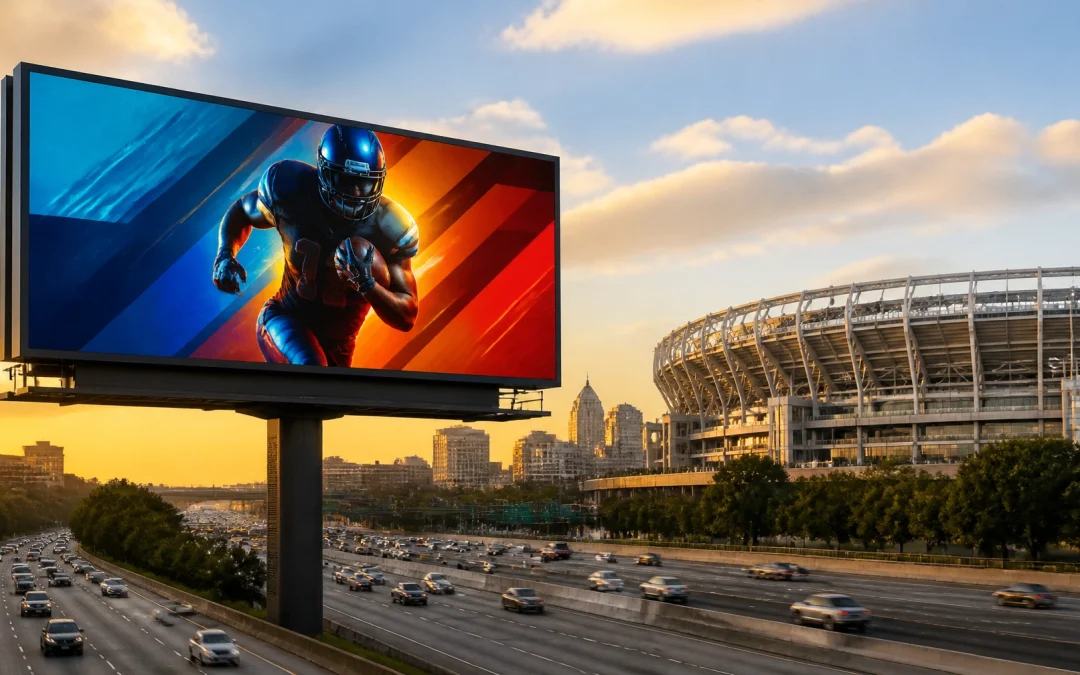
The landscape of sports marketing is undergoing a significant transformation. As traditional media channels face increasing fragmentation, the ability to capture the undivided attention of sports fans has become a primary objective for brand managers and media buyers. OOH Sports, a key player in the digital out-of-home (DOOH) sector, has reached a milestone in its national network expansion. The company now offers an unprecedented level of access to digital video advertising boards across the United States, specifically designed to surround the most iconic sports venues in the country.
This growth is not merely a matter of increasing screen counts. It represents a strategic evolution in how brands interact with fans during their most passionate moments. By building a cohesive network that bridges the gap between the commute, the pre-game social gathering, and the final whistle, OOH Sports has created a "one-stop shop" for national sports reach. For those involved in the planning and buying of sports media, understanding the mechanics of this growth is essential for navigating the modern advertising ecosystem.
Here are five critical aspects of the OOH Sports network growth and what they mean for national brand strategies.
1. The 10-Mile Strategic Perimeter
The foundation of the OOH Sports expansion is a disciplined geographic strategy known as the 10-mile perimeter. Rather than placing advertisements in isolated locations, the company has focused on saturating the areas surrounding major professional and collegiate sports venues. This "halo effect" ensures that a brand’s message remains a constant companion to fans as they move through a city on game day.
The strategy recognizes that the fan journey begins long before they enter the stadium gates. By placing digital video boards along major highways, arterial roads, and transit corridors within a 10-mile radius of the arena, OOH Sports captures high-frequency impressions. This proximity targeting allows for a level of relevance that traditional nationwide buys often lack. It places the brand directly in the path of a highly motivated, high-spending audience.
Research indicates that nearly 6 in 10 adults recall seeing out-of-home advertisements promoting major sporting events. Furthermore, a staggering 99 percent of fans who visit a stadium area spend money at local businesses, including restaurants, hotels, and transportation services. The 10-mile perimeter strategy capitalizes on this concentrated economic activity, providing media planners with a high-density environment for their creative campaigns.
2. A Diversified Ecosystem Beyond the Billboard
While large-format billboards are a visible part of the network, the recent growth of OOH Sports has focused heavily on diversifying the types of screens available to advertisers. The network now spans multiple categories to ensure coverage at every touchpoint of the fan experience.

Hospitality and Social Hubs
One of the fastest-growing segments of the network is the hospitality sector. This includes premium sports bars, restaurants, and lounges where fans gather to watch away games or celebrate after a home win. These locations offer high dwell times, often exceeding two hours, providing a unique opportunity for long-form video content and repetitive brand exposure in a relaxed, social environment.
Transit Hubs and Airports
To capture the national traveler and the visiting fan, OOH Sports has expanded its presence in major transit hubs. This includes digital displays in airports, train stations, and bus terminals. These locations are critical for reaching fans who travel across the country to support their teams, ensuring the brand message is the first thing they see upon arrival in a host city.
Retail and Path-to-Purchase
The expansion also includes a significant increase in screens at retail centers and convenience stores. These "path-to-purchase" locations are vital for brands in the beverage, snack, and apparel categories. By appearing on a digital screen at a convenience store just miles from the stadium, a brand can influence a purchase decision only minutes before the consumer reaches their final destination. More information on these specific placements can be found on the about page.
3. Integration with the Sports Media Inc. Family
OOH Sports does not operate in a vacuum. Its growth is deeply integrated with the broader Sports Media Inc. ecosystem. This relationship provides a unique synergy that benefits media buyers looking for a multi-layered approach to sports marketing.
By being part of the Sports Media Inc. family, OOH Sports can offer a "street-to-seat" solution. While OOH Sports handles the external digital out-of-home journey, the parent company provides access to in-stadium media, including courtside LEDs, jumbo-trons, and branded highlight segments. This unified front allows for a seamless brand story that follows the fan from their driveway to their seat in the stands.
This integration simplifies the buying process. Instead of managing multiple contracts with different vendors for near-venue and in-venue media, planners can leverage a single point of contact to execute a comprehensive national campaign. This level of coordination is a significant advantage for chief marketing officers who require consistency and efficiency in their sports-related expenditures.
4. Programmatic Power and Precision Targeting
The expansion of the network is supported by a sophisticated technological infrastructure. OOH Sports has embraced programmatic digital out-of-home (pDOOH) as a core component of its growth strategy. This technology allows for a level of flexibility and data-driven decision-making that was previously unavailable in the out-of-home space.

Through partnerships with leading demand-side platforms (DSPs), such as the work highlighted in the StackAdapt spotlight, OOH Sports enables advertisers to buy impressions in real-time. This means campaigns can be triggered by specific events, such as game start times, live scores, or even local weather conditions. If a local team wins a major championship, the network can immediately pivot to display congratulatory creative across the entire 10-mile perimeter.
The use of programmatic technology also facilitates better attribution and measurement. Media buyers can now track the impact of their DOOH spend by linking exposure to real-world outcomes, such as store visits or website traffic. This shift toward a data-centric model is a key reason why budgets are increasingly moving from traditional television to digital out-of-home environments near sports venues.
5. Proven Success and Quantifiable Impact
The growth of OOH Sports is validated by the tangible results achieved for major national brands. The company has moved beyond theoretical reach to deliver measurable brand lift and purchase consideration increases.
For example, a recent campaign for Mike’s Hard Iced Tea saw a 119 percent lift in positive brand image through the use of the OOH Sports programmatic network. The campaign successfully targeted fans in high-traffic areas, demonstrating the power of the 10-mile perimeter strategy. Details of this success can be found in the Ab InBev case study.
Similarly, other brands have seen significant shifts in consumer behavior. A campaign for Sea-Doo resulted in a 144 percent increase in purchase consideration, proving that even high-consideration luxury products can benefit from the high-impact environment of sports-focused DOOH. These results are further supported by the Sea-Doo campaign analysis. Even in the competitive beverage market, White Claw achieved a 74 percent lift in purchase consideration for a vodka launch by utilizing the network's strategic placements, as detailed in their recent case study.

Conclusion
The expansion of OOH Sports marks a significant milestone for the advertising industry. By combining a national scale with a hyper-local geographic focus, the company has created a powerful tool for brands looking to dominate the sports conversation. The 10-mile perimeter strategy, a diversified venue ecosystem, integration with Sports Media Inc., and the power of programmatic technology all contribute to a network that is as dynamic as the games it surrounds.
For media buyers and planners, the message is clear: the ability to reach fans at scale is no longer limited to the television screen. The streets, bars, and transit hubs around America's stadiums have become the new front line of sports marketing. As OOH Sports continues to grow, it remains dedicated to providing the most impactful, data-driven, and fan-centric advertising solutions in the country. To explore the possibilities of the Sportrons network and other digital video opportunities, visit the company website to connect with the planning team.