
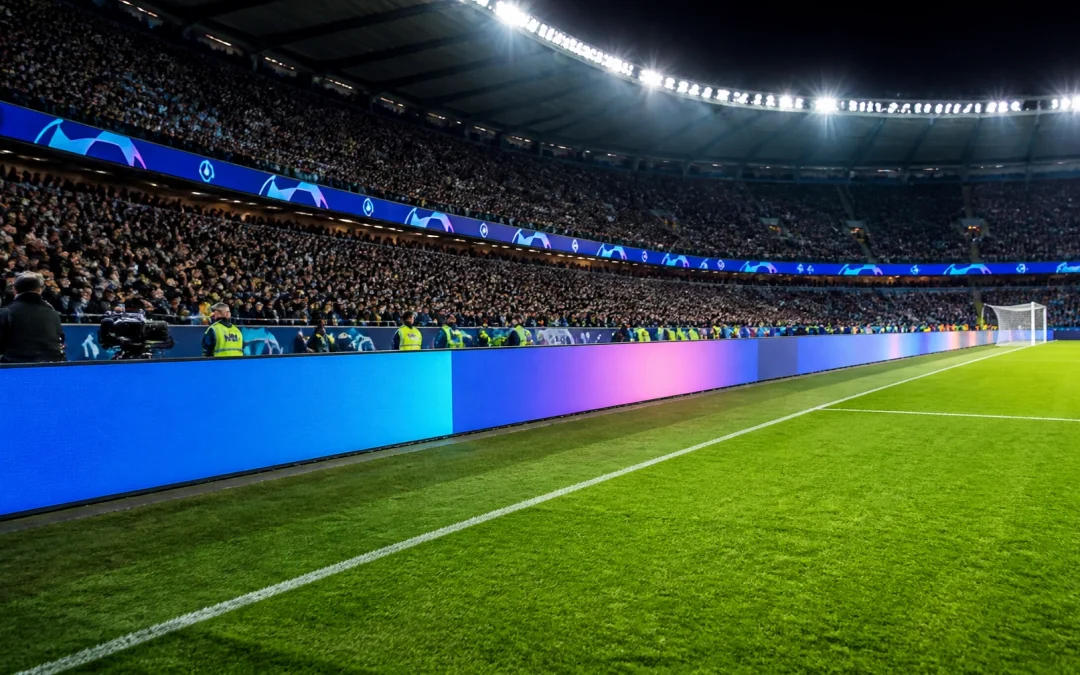
Fan engagement in the modern sports landscape has shifted from simple attendance to a complex, multi-touchpoint journey. Brands and sports marketers often face significant challenges in maintaining a coherent narrative when competing for the attention of thousands of fans. Traditional digital channels are saturated, and organic reach continues to decline, leaving a gap in the connection between a brand and its target audience.
Stadium advertising, particularly through digital out of home (DOOH) networks, offers a solution to these engagement hurdles. By integrating high-impact visuals with strategic placement, advertisers can bypass common pitfalls and establish a meaningful presence in the hearts of sports enthusiasts. This analysis explores the seven most frequent mistakes made in fan engagement and how stadium-centered advertising provides a strategic remedy.
Objective & Strategy: Maximizing the Stadium Perimeter
The primary objective of a successful sports marketing campaign is to convert passive spectators into active brand advocates. This requires a strategy that goes beyond the four walls of the arena. OOH Sports focuses on building a digital out of home network that provides access to digital video advertising boards within a 10-mile radius of sports venues. This perimeter approach ensures that the brand remains top-of-mind before, during, and after the event.
Mistake 1: Fragmented Digital Presence
Many brands suffer from a fragmented digital presence where social media ads, email marketing, and web banners feel disconnected. When fans are at a stadium, their focus is on the live event. If a brand only exists in the small window of a smartphone screen, it risks being ignored in favor of the live action.
The Fix: Stadium Perimeter Ads for Brand Unity
Stadium ads, such as Sportrons, act as a massive, unmissable anchor for a brand. These high-definition displays provide a singular, dominant message that unifies a campaign. When a fan sees a consistent brand message on a stadium perimeter board and later encounters the same brand on their device, the repetition builds credibility and recognition. This physical presence validates the digital effort.
Mistake 2: Overlooking the 10-Mile Radius
Marketers often concentrate solely on the fans inside the stadium, missing the thousands of people in the immediate surrounding area. Fans gather at bars, restaurants, and fan zones hours before kickoff and stay long after the final whistle.
The Fix: Strategic Geofencing and DOOH
OOH Sports utilizes a strategy that targets every digital video advertising board within a 10-mile radius of the venue. This ensures that the brand message follows the fan journey throughout the entire day. By placing advertisements on transit hubs, street furniture, and digital billboards near the stadium, the brand captures the attention of the "extended stadium" audience. This approach effectively expands the reach of a campaign beyond the ticket holders to include the local community and late-arriving fans.

Mistake 3: Static Messaging in a Dynamic Environment
A common error is the use of static, unchanging advertisements in an environment that is inherently fast-paced and emotional. A generic ad that does not react to the game or the atmosphere can feel out of place or irrelevant.
The Fix: Programmatic DOOH and Dynamic Content
Leveraging programmatic DOOH allows advertisers to change creative in real-time based on live triggers such as scores, weather, or time of day. For example, a beverage brand might trigger a "celebration" ad immediately after a home team touchdown. This dynamic capability ensures the advertising is part of the event experience rather than a distraction from it. The ability to pivot creative instantly is one of the key DOOH industry shifts that media planners are currently adopting to stay competitive.
Mistake 4: Missing the Emotional Highs
Fan engagement is most effective during peak emotional moments. Traditional advertising often hits fans during their "downtime" when they are less receptive. Failing to align a brand with the excitement of a live game is a missed opportunity for emotional branding.
The Fix: Synchronized Messaging and High-Impact Placements
Stadium advertising captures fans when their adrenaline is highest. By utilizing large-scale digital boards during the most critical moments of a match, brands associate themselves with the positive emotions of the sport. This creates a lasting psychological bond. Data indicates that advertising during high-stakes events can significantly boost brand favorability, as seen in various case studies where emotional resonance led to increased purchase intent.
Mistake 5: Weak Data and Attribution
Historically, out of home advertising was criticized for a lack of measurable results. Many marketers still believe that stadium ads are purely for "awareness" and cannot be tracked or attributed to direct sales or digital actions.
The Fix: Retargeting and Device ID Exposure
Modern technology has transformed stadium ads into a data-rich medium. OOH Sports uses advanced tracking to identify device IDs exposed to specific digital boards. This allows for:
- Precise measurement of foot traffic and store visits.
- Retargeting fans on their mobile devices with follow-up offers.
- Comprehensive brand lift studies that quantify changes in awareness and consideration.
For instance, a campaign for White Claw demonstrated a 74% lift in purchase consideration by combining DOOH with strategic retargeting. Similarly, Ab InBev’s Mike’s Hard Iced Tea saw a 119% lift in positive brand image through a similar data-driven approach.
Mistake 6: Treating the Stadium as an Island
Engagement often ends as soon as the fan leaves their seat. Brands that do not have a strategy for the "second screen" or the post-game experience fail to capitalize on the momentum generated during the event.
The Fix: Bridging the Physical and Digital Worlds
Effective stadium advertising serves as a bridge. Placements can include QR codes, social media prompts, or specific calls to action that drive fans to a mobile app or website. This multi-channel approach ensures that the engagement started in the stadium continues long after the fan has returned home.

Mistake 7: Failing to Scale Content
Creative directors often find it difficult to scale high-quality content across different venues and cities. Creating bespoke ads for every single stadium is time-consuming and expensive, leading many to stick with generic, low-impact creative.
The Fix: A Centralized Digital Network
By utilizing a centralized network like OOH Sports, advertisers can deploy professional, high-resolution content across a national network of digital boards with a single click. This scalability allows for a consistent brand voice across multiple markets while still permitting local customizations where necessary. The efficiency of this model allows creative teams to focus on quality rather than logistics.
Technology Partners and Strategic Execution
The success of these strategies relies on robust technology and strategic partnerships. OOH Sports works with leading programmatic platforms to ensure that every ad is delivered with precision. The execution process involves several logical steps:
- Audience Identification: Mapping out the target demographic based on stadium location and event type.
- Inventory Selection: Choosing the optimal digital boards within the 10-mile perimeter.
- Creative Deployment: Uploading dynamic content that can respond to real-time triggers.
- Measurement & Analysis: Collecting data on device exposure and post-campaign behavior.
This methodology provides a clear, data-driven path to ROI that traditional billboards simply cannot match. For example, Sea-Doo saw a 144% increase in purchase consideration by following this structured execution process.

Results: The Magnitude of Impact
When stadium advertising is executed correctly, the results are quantifiable and significant. Campaigns moving away from traditional, static models toward programmatic, perimeter-based DOOH consistently report higher engagement metrics.
- Brand Awareness: Significant increases in top-of-mind awareness among fans exposed to stadium perimeter ads.
- Purchase Intent: Before and after studies show marked improvements in consumer willingness to buy products after seeing synchronized stadium and mobile messaging.
- Cost Efficiency: Programmatic buying allows for more efficient use of budget by targeting only the most relevant times and locations.
Conclusion
Fan engagement is no longer about just being seen. It is about being seen at the right time, in the right place, and with the right message. By avoiding common mistakes such as fragmentation, lack of data, and static messaging, brands can leverage stadium advertising to create a powerful, unified presence. OOH Sports provides the tools and the network necessary to turn the stadium and its surrounding 10-mile radius into a high-performance marketing engine. Through the use of advanced technology and strategic placement, the stadium becomes not just a venue for sports, but a premier destination for brand growth.