
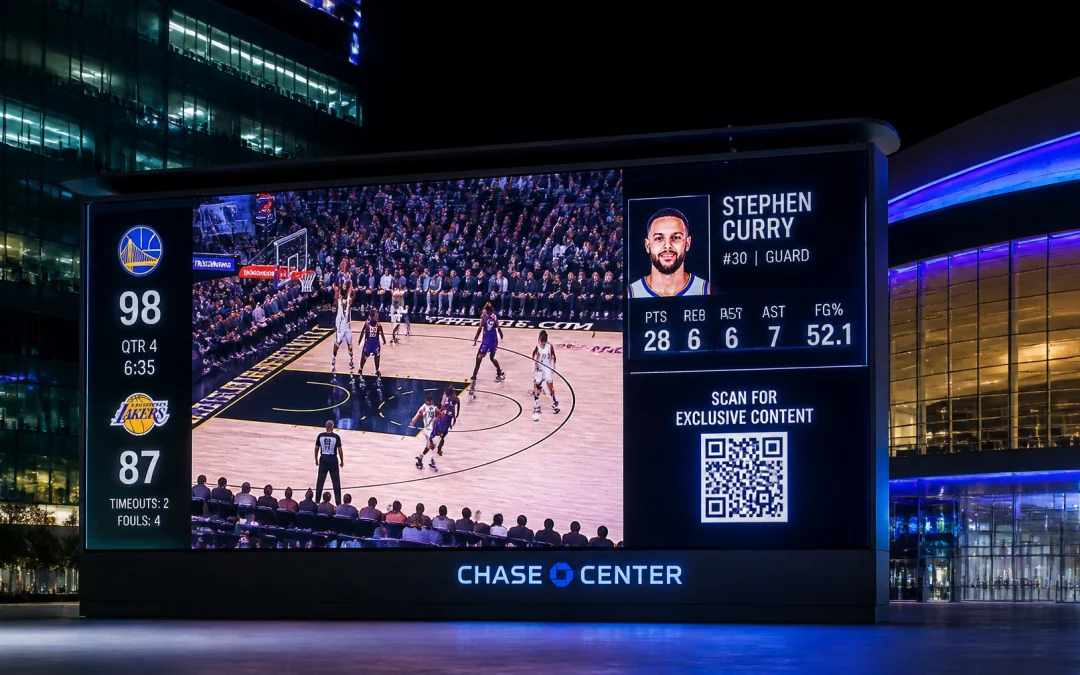
The landscape of sports marketing is undergoing a significant transformation. Traditional, static billboards that once stood as silent observers along highways are being replaced by intelligent, responsive, and data-driven assets. The integration of Artificial Intelligence (AI) into Digital Out-of-Home (DOOH) advertising is not merely a technical upgrade. It represents a fundamental shift in how brands engage with fans before, during, and after a sporting event.
By 2030, the DOOH sports advertising market is projected to reach 50 billion dollars. This growth is fueled by the ability of AI to analyze vast amounts of data in real time, allowing for hyper-personalized messaging that resonates with specific fan segments. For media buyers and brand managers, understanding these AI-driven shifts is essential for maintaining a competitive edge in an increasingly crowded digital ecosystem.
Objective and Strategy: The Move Toward Precision
The primary objective of modern sports campaigns is to move beyond broad reach and focus on precision. Traditional planning often relied on high-level demographics and historical foot traffic data. AI-driven DOOH changes this by utilizing predictive analytics and real-time audience analysis to identify exactly when and where a message will have the highest impact.
The strategy involves creating a responsive environment where the advertisement is as dynamic as the game itself. This is achieved through several key tactics:
- Hyper-Personalization: AI models analyze fan behavior, preferences, and context to tailor content. Instead of a single generic ad, screens can display different creative variants based on the specific cohort present at a location.
- Contextual Relevance: Campaigns are programmed to react to external factors such as weather, traffic patterns, and the current score of a match.
- Watch-Party Targeting: AI identifies high-density "fan zones" like sports bars, restaurants, and transit hubs, ensuring that messaging reaches fans in their natural viewing environments.
For a deeper dive into how these strategies scale, the DOOH sports advertising market analysis provides a comprehensive roadmap for the next decade.
Tactical Implementation: Programmatic DOOH and Real-Time Triggers
The execution of an AI-driven campaign relies heavily on Programmatic DOOH (pDOOH). This technology allows for the automated buying and selling of ad space, similar to online display advertising but in the physical world. The process is governed by algorithms that evaluate thousands of variables per second to place the right ad on the right screen.

Real-Time Creative Triggers
One of the most effective applications of AI in this space is the use of real-time creative triggers. These are pre-set rules that dictate when an ad should change based on live data feeds.
- Moment-Based Activation: If a home team scores a touchdown or a goal, AI can instantly trigger celebratory creative across a network of digital boards within a ten-mile radius of the stadium.
- Inventory Management: For retail partners, AI can adjust DOOH messaging based on real-time stock levels at nearby locations. If a specific jersey sells out, the display can pivot to promote available merchandise.
- Dynamic Pricing: Similar to airline tickets, AI can help adjust promotional offers on screens based on demand and time remaining before a game starts.
Omnichannel Integration
AI does not operate in a vacuum. Effective sports campaigns integrate DOOH with other digital channels like mobile, social media, and Connected TV (CTV). By using anonymized device IDs, brands can retarget fans who were exposed to a digital billboard with a follow-up offer on their smartphones. This creates a cohesive fan journey that bridges the gap between physical awareness and digital conversion. Platforms like StackAdapt are instrumental in driving this level of programmatic adoption and omnichannel synergy.
Technology Partners and Data Integration
Successful implementation requires a robust technological stack. Media planners now collaborate with specialized Demand-Side Platforms (DSPs) and Supply-Side Platforms (SSPs) that are built specifically for the nuances of out-of-home media. These platforms integrate with a variety of data sources, including:
- Ticketing and CRM Data: Understanding who is attending the game and their past purchasing history.
- Mobile Location Data: Tracking anonymized movement patterns to identify high-traffic corridors.
- Social Sentiment Analysis: Monitoring real-time fan reactions on social platforms to adjust the tone of the DOOH creative.
The use of Sportrons and similar high-impact digital displays ensures that the creative is delivered with the clarity and scale required to capture attention in high-energy sports environments.

Measurement and Results: Proving Incrementality
One of the historical challenges of OOH advertising was the difficulty of precise measurement. AI has effectively solved this problem by introducing sophisticated attribution models. Instead of relying on estimated "eyes on" counts, marketers now use data-driven metrics to prove the success of their campaigns.
Geo-Lift and Incrementality Studies
AI allows for the execution of geo-lift studies, where researchers compare the behavior of a group exposed to the DOOH ads against a control group in a similar geographic area that was not exposed. This methodology provides a clear picture of incremental lift in several areas:
- Foot Traffic: Measuring the increase in visits to a specific retail location or stadium entrance following exposure to a digital ad.
- Brand Lift: Using surveys and digital tracking to measure improvements in brand awareness, favorability, and purchase intent.
- Direct Conversions: Tracking QR code scans or mobile app downloads that occurred in the vicinity of a DOOH asset.
Industry data consistently demonstrates the power of these targeted approaches. For instance, recent campaigns in the beverage sector have seen a 74 percent lift in purchase consideration and a 119 percent lift in positive brand image through the use of programmatic DOOH strategies. Detailed breakdowns of these results can be found in the OOH Sports case study library.
The Future of AI in Sports Marketing
Looking forward, the role of AI will continue to expand. We are moving toward a future where "algorithmic fandom" becomes the norm. In this scenario, every fan's physical and digital experience is seamlessly curated by AI.
- Creative Automation: AI tools will soon be able to auto-generate highlight clips from a live game and format them for digital billboards in seconds, providing fans with instant replays as they leave the stadium.
- Predictive Logistics: AI will predict crowd bottlenecks before they happen and use DOOH screens to redirect fans to less crowded gates or concession stands, improving the overall fan experience.
- Interactive Overlays: The integration of Augmented Reality (AR) with DOOH screens will allow fans to interact with advertisements through their mobile devices, creating an immersive layer on top of the physical display.

Summary of Strategic Shifts
To summarize, the transition from traditional OOH to AI-driven DOOH involves several strategic shifts that every media planner should consider:
- From Static to Dynamic: Content must be able to change in real time based on the flow of the game.
- From Reach to Precision: Success is measured by reaching the right fan at the right moment, not just the largest possible audience.
- From Siloed to Omnichannel: DOOH must be an integrated part of a broader digital strategy, utilizing retargeting and cross-device attribution.
- From Estimates to Outcomes: Measurement must focus on tangible results like foot traffic and purchase intent.
The era of passive advertising in sports is ending. AI-driven DOOH provides the tools necessary to turn every screen into a strategic asset that speaks directly to the passion and behavior of the fan. For those involved in the buying and planning of sports advertising, the adoption of these technologies is no longer optional; it is the new standard for excellence.