
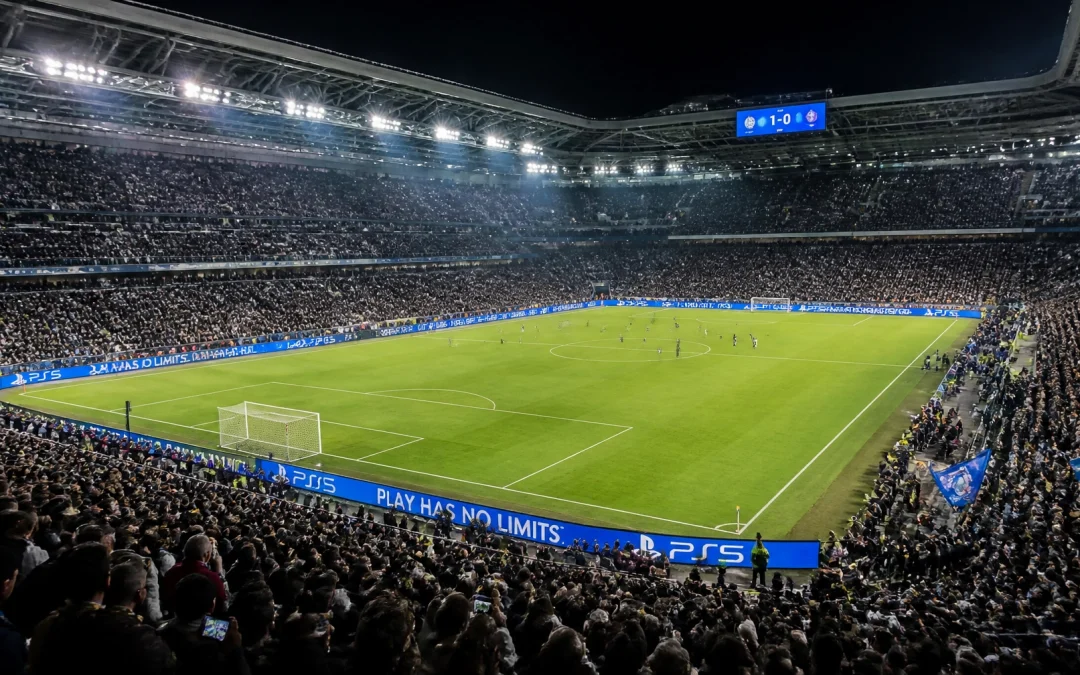
The landscape of sports marketing is undergoing a significant transformation. Traditional, static sponsorships are being replaced by dynamic, digital alternatives that offer better precision and measurable impact. For Chief Marketing Officers and Creative Directors, the stadium perimeter is no longer just a border for the field of play. It is a high-impact zone where brand stories meet an emotionally charged, captive audience.
Stadium perimeter advertising, particularly when executed through digital out-of-home (DOOH) networks, allows brands to capture attention when fans are most engaged. Whether it is a crucial goal, a home run, or a touchdown, the perimeter boards sit at the heart of the action. However, simply placing a logo on a screen is no longer enough to drive meaningful results. To truly maximize return on investment, brands must adopt a strategic approach that blends creative excellence with technical agility.
This guide outlines five actionable tips to elevate fan engagement using stadium perimeter advertising.
1. Prioritize High-Contrast, Minimalist Design
In a stadium environment, the field is the primary focus. Advertisements on perimeter boards must compete with high-speed movement and intense visual stimuli. For this reason, simplicity is the most effective creative strategy.
Complex imagery or small text will often get lost when viewed from a distance or on a television broadcast. Best practices suggest using high-contrast color palettes, such as white text on a deep blue or black background, to ensure maximum legibility. Bold, sans-serif typography is also essential for maintaining clarity across different viewing angles.
According to industry data, animated content on digital perimeters can grab attention up to 23 percent better than static images. However, motion should be used judiciously. Subtle logo wipes or sliding text transitions are effective at drawing the eye without becoming a distraction from the game itself. When the design is clean, the message is received instantly, even during the most chaotic moments of a match.
2. Leverage Game-Triggered Creative
One of the greatest advantages of programmatic DOOH is the ability to change creative assets in real time based on game events. This contextual relevance is a powerful driver of fan engagement. When a brand’s message aligns with the emotions of the crowd, the impact is magnified.
For example, a beverage brand can trigger a specific "celebration" creative immediately following a home team score. This synchronization makes the brand feel like part of the fan experience rather than an external interruption. Campaigns that utilize these real-time triggers see significant lifts in brand favorability. For instance, brands that align their messaging with live sports outcomes often report higher levels of positive brand image, as seen in cases like AB InBev’s Mike’s Hard Iced Tea campaign.

3. Dominate the 10-Mile Halo
While the perimeter boards inside the stadium are vital, the fan journey begins long before they enter the gates. A comprehensive sports marketing strategy should consider the entire ecosystem surrounding the venue. OOH Sports specializes in building a digital network that covers a 10-mile radius around sports stadiums.
This "10-mile halo" strategy ensures that the brand remains top-of-mind during the entire game-day experience. By placing ads on digital screens in bars, transit hubs, and retail locations near the arena, brands can create a surround-sound effect. This hyperlocal targeting bridges the gap between the stadium and the community. By the time a fan sees the perimeter board during the game, they have already been primed by multiple touchpoints in the surrounding area.
Targeting the perimeter around the venue also helps avoid some of the common mistakes made in sports DOOH campaigns, such as wasting budget on broad, non-relevant geographic areas.

4. Integrate Mobile-First Calls to Action
Fan engagement is no longer limited to the physical space of the stadium. Modern spectators are almost always equipped with a second screen: their smartphone. Perimeter advertising should act as a gateway to digital interaction.
Including a clear, scannable QR code or a short, memorable URL on the perimeter board can transition a passive viewer into an active participant. These calls to action can lead fans to exclusive offers, real-time polls, or enter-to-win contests. This method not only increases engagement but also provides valuable first-party data and measurable attribution.
When a brand successfully bridges the gap between the physical board and the mobile device, they can track the full funnel of the consumer journey. This level of omnichannel integration is a hallmark of sophisticated modern marketing.

5. Utilize Programmatic Speed for Real-Time Adjustments
Traditional stadium sponsorships often require months of lead time and long-term commitments. In contrast, programmatic DOOH allows for unprecedented flexibility and speed. Media planners can launch, pause, or optimize campaigns in a matter of hours rather than weeks.
This agility is crucial for responding to the unpredictable nature of sports. If a star player is traded or an unexpected storyline emerges, brands can update their perimeter creative to stay relevant. Furthermore, programmatic platforms allow for data-driven optimization. If certain creative assets are underperforming in terms of mobile engagement or brand lift, they can be swapped out mid-game or mid-season.
The efficiency of programmatic buying also makes stadium-level advertising accessible to a wider range of brands. By focusing on the 10-mile perimeter and using programmatic tools, companies can achieve 74 percent lifts in purchase consideration, as demonstrated in recent vodka brand launches.
Strategy and Results
The shift toward digital perimeter advertising is driven by the need for better measurement and higher ROI. By moving away from static signage and toward a tech-enabled perimeter strategy, brands can move beyond simple impressions.
Successful campaigns in this space typically follow a structured path:
- Objective Setting: Defining whether the goal is broad awareness, purchase consideration, or direct data capture.
- Geographic Targeting: Focusing on the stadium and its surrounding 10-mile radius to ensure every impression is relevant.
- Creative Execution: Deploying high-contrast, minimalist designs that are optimized for both in-person and broadcast viewing.
- Technology Integration: Using programmatic platforms to enable real-time triggers and mobile retargeting.
- Measurement: Utilizing brand lift studies and device-ID tracking to quantify the impact on consumer behavior.
As the sports advertising market continues to grow, with projections suggesting it will reach billions of dollars by 2030, the ability to execute these tactics will be a key differentiator for top-tier brands.
Conclusion
Stadium perimeter advertising is one of the most visible and emotionally resonant assets in a marketer's toolkit. By focusing on minimalist design, real-time relevance, and the surrounding 10-mile radius, brands can transform a standard ad placement into a powerful engagement engine. The combination of programmatic flexibility and the captive energy of sports fans creates a unique opportunity to build lasting brand equity. For Creative Directors and CMOs, the message is clear: to win the game of fan attention, the strategy must be as dynamic as the sports on the field.