
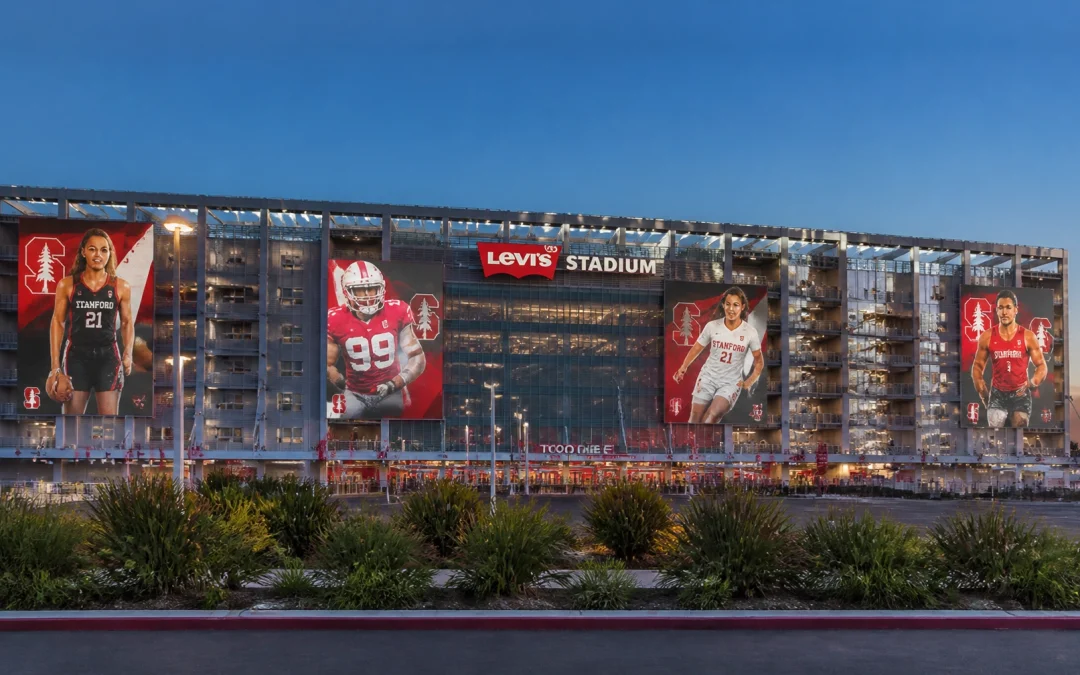
The landscape of sports marketing is undergoing a seismic shift as Super Bowl LX approaches. Scheduled for February 8, 2026, at Levi’s Stadium in Santa Clara, California, this event represents more than just a championship game. It serves as the ultimate proving ground for Name, Image, and Likeness (NIL) strategies integrated with advanced digital out of home (DOOH) technology. For media buyers and brand managers, the 2026 season offers an unprecedented opportunity to leverage a network of over 20,000 authentic student-athlete voices to drive brand awareness and consumer action.
Traditional advertising models often rely on a handful of high-profile professional athletes. However, the modern sports consumer demands authenticity and local relevance. The upcoming Super Bowl in the heart of Silicon Valley provides the perfect backdrop for a data-driven, multi-channel approach that connects digital influence with physical presence.
Objective & Strategy
The primary objective for any major campaign during the Super Bowl window is to break through the significant market noise. For 2026, the strategy centers on a dual-pathway approach: digital influence through NIL partnerships and physical saturation through programmatic DOOH.
Instead of focusing solely on the four hours of game time, successful brands are extending their reach into the weeks leading up to the event. This is achieved by activating a massive cohort of student-athletes who provide a continuous stream of authentic content. By utilizing a platform that manages 20,000 voices, brands can achieve a national scale while maintaining the personal touch of individual creator communities.
Key Strategic Pillars:
- Scale and Authenticity: Moving beyond the "top 1%" of athletes to engage mid-tier and micro-influencers who possess higher engagement rates.
- Hyperlocal Saturation: Using the 10-mile perimeter around Levi’s Stadium to capture the attention of over 70,000 fans and hundreds of thousands of visitors in the Santa Clara region.
- Omnichannel Integration: Ensuring that the digital content produced by student-athletes is mirrored on digital video advertising boards across the OOH Sports network.
The NIL Platform: 20,000 Authentic Voices

The core of this guide is the utilization of a robust NIL platform. This platform acts as a bridge between brands and over 20,000 student-athletes across various sports, levels, and geographic locations. This scale allows for a "surround sound" effect where a brand message is repeated by hundreds of trusted voices simultaneously.
Student-athletes are no longer just representatives of their schools. They are independent media entities. In 2026, the focus has shifted toward values-aligned storytelling. Whether the campaign is for apparel, financial services, or consumer packaged goods, there is a cohort of athletes whose personal brand aligns with the corporate mission. This alignment leads to higher trust and, ultimately, higher conversion rates.
The diversity within this 20,000-voice network is a critical asset. It includes athletes from non-revenue sports and women’s sports, which often see higher levels of community engagement and brand loyalty. For a media buyer, this represents a diversified portfolio of influence that mitigates the risk associated with single-athlete endorsements.
Strategy: Hyperlocal Perimeter Targeting
Execution during Super Bowl week requires precision. OOH Sports provides access to a comprehensive digital video advertising network that covers every category of OOH media. For Super Bowl LX, the focus is the 10-mile radius surrounding Levi's Stadium.

Tactical Execution:
- Geofencing the Arena: Brands can deploy ads on every available digital board within the critical transit corridors leading to Santa Clara.
- Dynamic Creative: Advertisements can be updated in real-time based on game events, weather, or social media trends driven by the NIL athlete network.
- Audience Retargeting: By identifying mobile device IDs exposed to the DOOH screens, brands can retarget those same individuals with follow-up NIL content on social media.
This approach ensures that the brand remains top-of-mind from the moment a fan arrives at the San Jose or San Francisco airport until they enter the stadium gates. The synergy between a student-athlete's post on a fan's phone and a massive digital display on the highway creates a cohesive brand experience that is difficult to ignore.
Technology Partners and Integration
A campaign of this magnitude requires a sophisticated technological backbone. OOH Sports, as part of the Sports Media Inc. family, utilizes advanced programmatic platforms to streamline the buying process. This allows media planners to manage NIL activations and DOOH placements through a single, unified interface.
The integration of specialized Sportrons technology enables high-definition video playback in high-traffic sports environments. These units are strategically placed to ensure maximum dwell time and visibility. By partnering with leading Demand Side Platforms (DSPs) like StackAdapt, OOH Sports ensures that every ad buy is optimized for the target demographic, whether they are C-suite executives or Gen Z sports enthusiasts.
The following video provides further insight into the power of this integrated network:
https://www.youtube.com/watch?v=l6J-0zileKE
Results and Expected Impact
Success in the 2026 NIL and DOOH space is measured through hard data and measurable brand lift. Based on previous high-impact campaigns, the integration of these two channels consistently outperforms traditional silos.
For instance, previous programmatic DOOH campaigns in the sports sector have shown remarkable results. A campaign for White Claw achieved a 74% lift in purchase consideration. Similarly, AB InBev’s Mike’s Hard Iced Tea saw a 119% lift in positive brand image through targeted DOOH execution.
Metrics to Track for Super Bowl 2026:
- Total Impressions: Aggregated across social media (NIL) and physical screens (DOOH).
- Engagement Rate: Specifically for student-athlete content.
- Brand Sentiment: Measured through pre- and post-campaign brand lift studies.
- Foot Traffic Attribution: Tracking the movement of exposed users to specific retail locations or event activations.

The ability to quantify these results is what separates a standard sponsorship from a strategic marketing investment. By exposing specific device IDs to both digital and physical ads, a clear path to conversion can be established.
Tactical Steps for Media Buyers
To succeed in the Super Bowl 2026 NIL landscape, media buyers should follow a structured timeline:
- Phase 1 (Q3 2025): Identify the core brand message and select the primary NIL platform. Begin the process of vetting the 20,000 voices to find the best brand fits.
- Phase 2 (Q4 2025): Secure DOOH inventory within the 10-mile perimeter of Levi’s Stadium. Inventory for the Super Bowl window is highly competitive and often sells out months in advance.
- Phase 3 (January 2026): Launch the "pre-game" NIL content series. Have student-athletes build anticipation and drive early brand engagement.
- Phase 4 (Super Bowl Week): Activate the full programmatic DOOH network. Synchronize the physical displays with high-frequency social media activity.
- Phase 5 (Post-Game): Execute the retargeting phase. Use the data gathered during the event to drive post-Super Bowl sales and loyalty.
Conclusion
The Ultimate Guide to Super Bowl 2026 NIL demonstrates that success is no longer a matter of having the biggest budget for a single 30-second television spot. Instead, it is about the strategic coordination of 20,000 authentic voices and a powerful digital out of home network. By focusing on the 10-mile perimeter of Santa Clara and leveraging the Sports Media Inc. ecosystem, brands can ensure their message is heard, seen, and acted upon by the most engaged fans in the world.
The evolution of NIL has provided a tool for unmatched authenticity. When combined with the high-impact nature of DOOH, it creates a marketing force that is perfectly suited for the biggest stage in sports. For those involved in the planning and buying of sports media, the path to success in 2026 is clear: integrate, automate, and authenticate.