
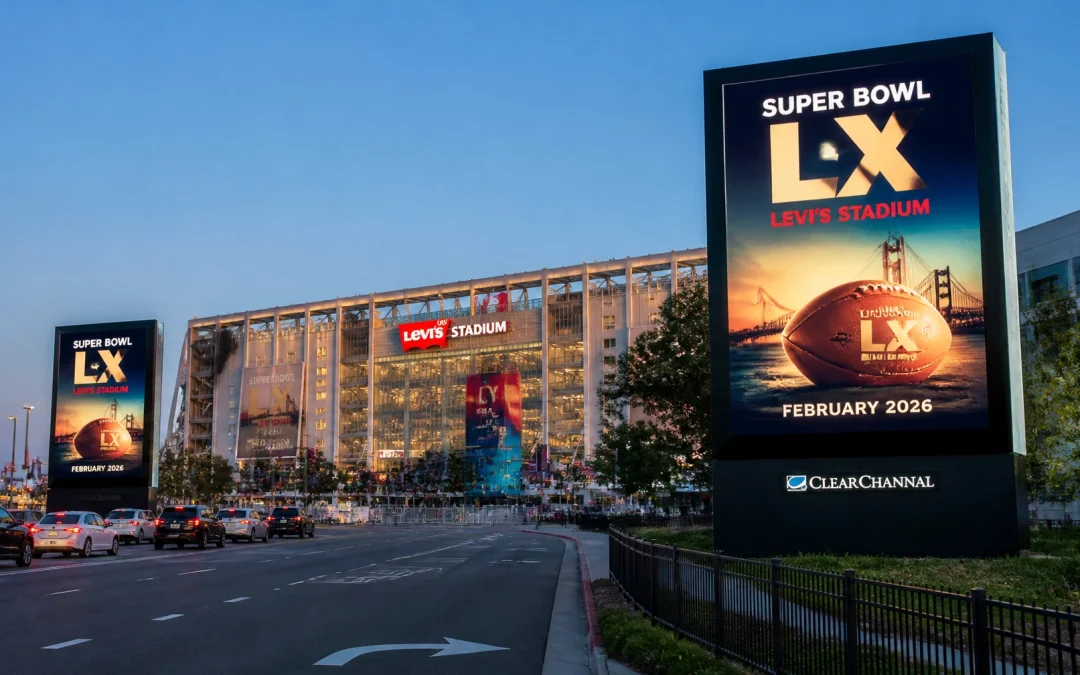
Media planning for Super Bowl 2026 is no longer about securing a single 30 second television spot and hoping for the best. The landscape has shifted toward a multi platform, influencer led ecosystem where authenticity is the primary currency. For media buyers and brand managers, the challenge is no longer just about reaching the largest audience possible. It is about reaching the right audience through the voices they actually trust.
This is where Name, Image, and Likeness (NIL) integration becomes a critical component of a modern media plan. By connecting with over 20,000 authentic student athlete voices, brands can create a surround sound effect that traditional advertising alone cannot achieve. When combined with a sophisticated digital out of home (DOOH) strategy, NIL provides a way to bridge the gap between digital social feeds and the physical world where the game is actually experienced.
The Objective and Strategy: Authenticity at Scale
The primary objective for any Super Bowl 2026 campaign is to create a lasting impression that extends far beyond the four quarters of the game. Traditional celebrity endorsements often feel scripted or disconnected from the average fan. In contrast, student athletes represent a level of grassroots authenticity that resonates deeply with younger demographics.
The strategy involves deploying a massive network of student athletes to act as brand ambassadors. These are not just influencers. They are the future of the sport. With access to a platform managing over 20,000 voices, a brand can saturate social media with genuine content that feels like a conversation rather than a sales pitch. This approach builds a narrative in the weeks leading up to the game, peaks during the Super Bowl weekend, and maintains momentum long after the trophy is raised.

Integrating NIL With Digital Out of Home
While the NIL platform provides the digital voice, the OOH Sports marketing network provides the physical presence. A truly integrated media plan for Super Bowl 2026 uses a 10 mile perimeter around the host stadium in Santa Clara to ensure brand omnipresence.
Consider the journey of a fan attending the game or visiting the Bay Area for the festivities. They are constantly switching between their phones and the world around them. An integrated plan ensures that the same brand message they see on a student athlete's TikTok feed is mirrored on digital billboards at transit hubs, urban panels in downtown San Jose, and video boards inside sports bars and casual dining locations.
This hyper local targeting allows for a unified brand experience. By utilizing the OOH Sports network, media planners can target:
- Bars and casual dining venues where fans gather.
- Gyms and fitness centers where health conscious consumers are active.
- Office buildings and transit hubs for high frequency visibility.
- Transportation routes leading directly to Levi's Stadium.
Technology and Reach: The Programmatic Advantage
The integration of NIL and DOOH is powered by programmatic technology that allows for unprecedented flexibility. Media buyers are no longer locked into static, long term contracts with no room for adjustment. Instead, the focus is on a CPM basis where the client chooses the budget and the specific timing of the ads.
For the 2026 game, this means a brand can choose to run ads only on game days or peak weekend hours. If there is a rainout or a significant change in the schedule, the campaign can be paused or adjusted in real time. This level of control is essential for managing the high stakes of a Super Bowl media buy.
Furthermore, the Sportrons network offers opportunities inside the arenas and stadiums themselves. This allows brands to reach fans at the peak of their emotional engagement. Whether a fan is in their seat or walking the concourse, the digital screens provide a high impact canvas for brand storytelling.

Execution Logistics: The 10 Mile Perimeter
Execution is where a great strategy either succeeds or fails. For Super Bowl 2026, the focus is on the 10 mile radius surrounding the venue. This geographic constraint is not a limitation. It is a strategic advantage. It ensures that every impression served is relevant to the high value audience physically present for the event.
The logistics involve coordinating thousands of digital screens across various categories. From QSRs to highway signs, the goal is to create a seamless loop of content. When this is synchronized with a national NIL campaign, the result is a "hero" moment for the brand. The fan sees the athlete's post, then sees the ad on a screen at a nearby bar, and finally sees it again on a digital board near the stadium entrance.
This level of saturation makes the brand feel like a fundamental part of the Super Bowl experience. It is a strategy that has been refined through years of experience, as detailed in the guide on Super Bowl branding secrets.
Measuring Results and Projected Impact
Success in media planning is ultimately defined by data. Integrating NIL with DOOH provides a wealth of metrics that traditional television cannot match. By tracking device IDs exposed to the DOOH screens and cross referencing them with social media engagement from the NIL platform, brands can see a clear picture of their reach.
Historical data suggests that campaigns combining social influencers with proximity based DOOH see a significant lift in brand preference and purchase intent. For a Super Bowl campaign, this can manifest as:
- A 25 percent average increase in consumer engagement compared to DOOH only campaigns.
- Millions of targeted impressions within the critical 10 mile radius.
- High view through rates on student athlete content, often exceeding 60 percent during the game week.
The cost efficiency is also a major factor. While a national TV spot may cost upwards of 8 million dollars, a fraction of that budget can secure hundreds of millions of impressions across digital channels and the OOH Sports network. This allows for a more balanced and sustainable media plan.

Why This Matters for 2026
The 2026 game represents a turning point in sports marketing. The influence of student athletes is at an all time high, and the technology to support large scale DOOH campaigns is more accessible than ever. Brands that fail to integrate these two elements risk being drowned out by the noise of traditional commercials.
By leveraging a network of 20,000 voices and a vast digital network of signs, media planners can ensure their brand is not just seen, but heard and remembered. For more information on how to start this process, visit the comprehensive NIL innovation guide.
Watch this video to see how the NIL platform connects brands with the next generation of sports fans:
https://www.youtube.com/watch?v=l6J-0zileKE
Conclusion
Integrating NIL with a Super Bowl 2026 media plan is a strategic necessity for brands looking to maximize their impact. By combining the authentic reach of student athletes with the high frequency visibility of the OOH Sports digital network, media buyers can create a campaign that is both scalable and deeply personal. The tools and platforms are now in place to move beyond the traditional broadcast model and enter a new era of sports marketing.