
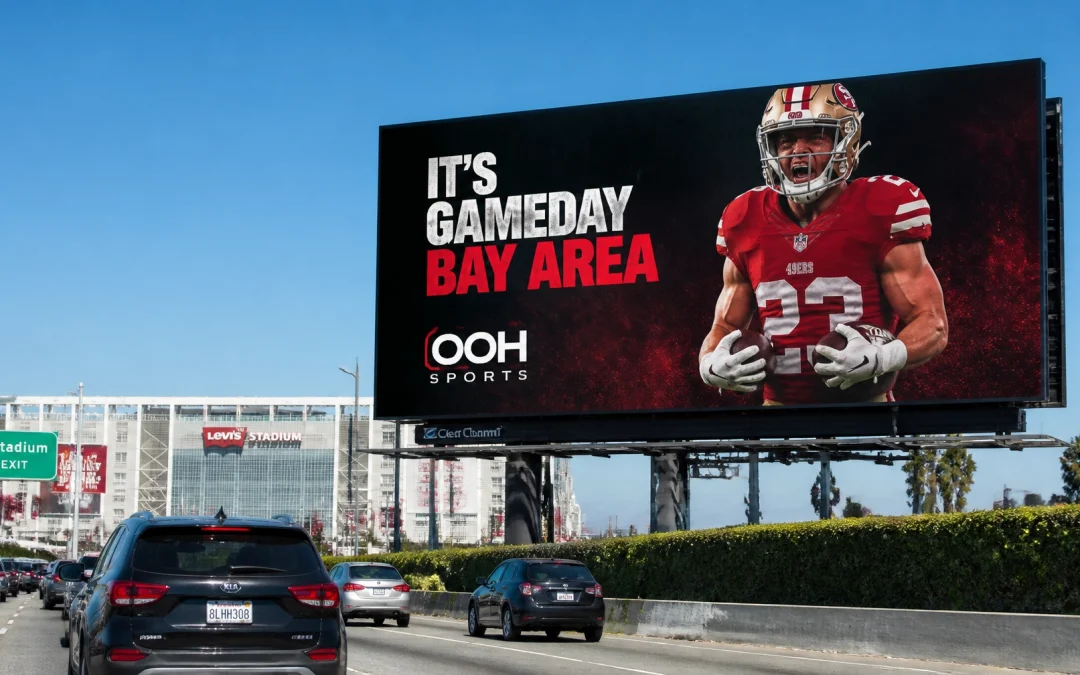
The landscape of sports marketing is undergoing a significant transformation as the industry prepares for Super Bowl 2026 at Levi’s Stadium in Santa Clara, California. For media buyers and brand managers, the 2026 championship represents more than a single game. It is the culmination of a new era where digital out of home (DOOH) advertising and Name, Image, and Likeness (NIL) partnerships converge. This guide outlines the strategic framework required to leverage over 20,000 authentic student-athlete voices alongside a robust digital network to dominate the San Francisco Bay Area during the year’s largest sporting event.
Objective & Strategy: Dominating the 10-Mile Perimeter
Success at the Super Bowl is often measured by the ability of a brand to remain "top of mind" during the chaos of gameday. While traditional television spots offer national reach, the battle for local dominance and immediate consumer action occurs on the ground. The primary strategy for 2026 involves securing a dominant presence within the 10-mile perimeter of Levi’s Stadium.
This geographic area includes high-traffic zones in Santa Clara, San Jose, and the broader Silicon Valley corridor. By focusing on the "last mile" of the fan journey, brands can engage consumers at multiple touchpoints, including bars, casual dining establishments, gyms, and transportation hubs. The objective is to create a seamless brand experience that follows the fan from the airport to the hotel, and ultimately, to the stadium gates.
The NIL Revolution: 20,000 Authentic Voices
The most significant change since previous championship cycles is the maturity of the NIL market. Brands no longer rely solely on retired legends or active professional superstars. The current strategy prioritizes the authenticity and high engagement rates of student-athletes. OOH Sports provides access to a platform connecting brands with more than 20,000 student-athlete voices, creating a massive distributed network of influencers who can amplify a message simultaneously.
Unlike professional athletes who may feel distant to the average consumer, student-athletes often maintain a more personal and engaged relationship with their followers. In the context of a San Francisco-based Super Bowl, leveraging athletes from local powerhouses and regional favorites creates a layer of local relevance that national campaigns lack. These athletes serve as the digital extension of the physical DOOH campaign, bridging the gap between social media feeds and the physical world.

Technology Partners & Platform Integration
Executing a campaign of this magnitude requires sophisticated technological coordination. The OOH Sports platform operates as a central hub for programmatic DOOH, allowing media planners to purchase inventory across a vast array of screens with precision. This network includes specialized inventory such as:
- Sportrons Network: Digital screens located inside the stadium concourses and high-traffic fan areas.
- Urban Panels: High-visibility displays in city centers like San Francisco and San Jose.
- Transit Hubs: Targeting fans as they navigate the Bay Area’s light rail and bus systems.
- Retail and Dining: Reaching fans during pre-game and post-game celebrations in sports bars and QSRs.
The integration of these physical assets with the NIL platform ensures that when a fan sees a billboard on the highway, they are likely to encounter the same brand message on their social feed via a student-athlete partner. This omnichannel approach is detailed in the following overview of NIL and OOH innovation.
https://www.youtube.com/watch?v=l6J-0zileKE
Creative Execution: Authenticity Over Hype
For Super Bowl 2026, the creative direction must shift away from overly polished, "corporate" messaging toward authentic, user-generated content (UGC) styles favored by student-athletes. When these athletes share brand messages, the content should feel like a natural extension of their daily lives.
Logistically, the campaign involves distributing creative assets to the NIL network through a centralized platform. These assets are then synchronized with the DOOH displays. For instance, a video featuring a top quarterback might run on a highway billboard while the athlete simultaneously posts a "behind the scenes" look at the campaign on their personal channels. This synchronization increases brand recall and establishes a sense of ubiquity.
Logistics and Targeting Tactics
The execution of a 10-mile perimeter campaign requires meticulous planning. Media buyers must account for the specific traffic patterns of the San Francisco Bay Area. Targeting tactics for the 2026 event include:
- Geo-Fencing: Deploying mobile retargeting to fans who have been exposed to specific digital billboards.
- Dayparting: Increasing ad frequency during peak travel times and the hours leading up to kickoff.
- Contextual Relevance: Tailoring creative to the specific location, such as gym-specific content for fitness centers or "celebration" creative for bars and restaurants.
- Weather Triggers: Adjusting content in real-time based on local Bay Area weather conditions.
By utilizing network scale and DOOH insights, brands can ensure their budget is spent with maximum efficiency. OOH Sports allows for flexible CPM models, ensuring that even mid-market brands can participate in the Super Bowl ecosystem without the $7 million price tag of a 30-second TV spot.

Measurement and Expected Results
The success of an NIL and DOOH campaign is determined by data, not just impressions. Brands participating in the 2026 cycle can expect detailed reporting on several key metrics:
- Brand Lift: Measured through pre- and post-campaign surveys to determine changes in brand awareness and preference.
- Device ID Exposure: Tracking how many unique mobile devices were in proximity to the digital screens.
- Social Engagement: Quantifying the likes, shares, and comments generated by the 20,000+ student-athlete partners.
- Foot Traffic Attribution: Measuring the increase in visits to physical retail or restaurant locations within the Bay Area.
Previous data from similar large-scale sporting events indicates that campaigns combining physical DOOH with NIL social amplification see a significant percentage increase in consumer action compared to DOOH-only strategies. The ability to retarget "exposed" audiences through digital channels further extends the lifecycle of the campaign beyond the final whistle.
The Role of Sports Media Inc.
As a member of the Sports Media Inc. family, OOH Sports brings decades of expertise to the table. The company’s history in sports marketing provides a foundation for the Super Bowl 2026 secrets that help brands navigate the complexities of venue-adjacent advertising. The mission remains focused on bringing brands to life through dynamic, passionate storytelling that resonates with the modern sports fan.

Conclusion: Planning for Success
The window for planning a Super Bowl 2026 campaign is closing. For media buyers and planners, the priority must be securing inventory in the high-demand 10-mile perimeter and initiating partnerships with the NIL network. By connecting with over 20,000 authentic student-athlete voices and utilizing the specialized DOOH network of OOH Sports, brands can move past traditional advertising hurdles.
The combination of geographic proximity, athlete authenticity, and programmatic technology creates a powerful engine for brand growth. To explore the full range of opportunities available at Levi’s Stadium and throughout the San Francisco Bay Area, visit the OOH Sports homepage or review the media buyer’s guide to NIL.