
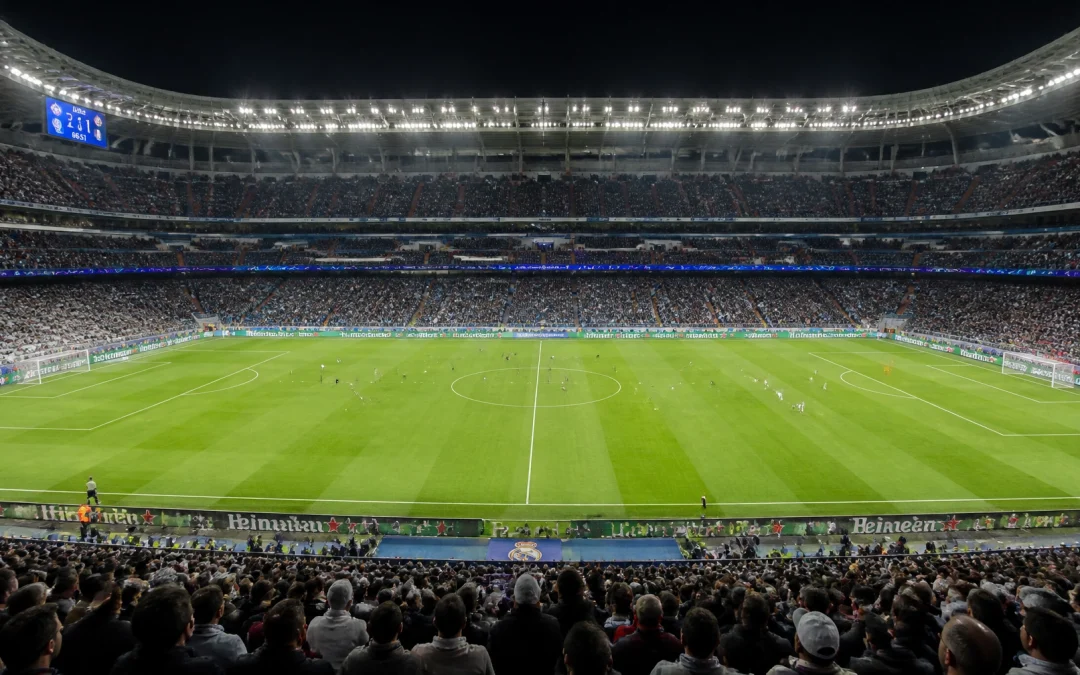
When the whistle blows for the knockout stages of a major tournament, everything changes. The stakes are higher, the tension is palpable, and the audience focus narrows down to every single blade of grass. For brands, this isn't just a game. It is a high-frequency, high-emotion opportunity that rarely happens on this scale.
Capturing the attention of fans during these moments requires more than a standard media buy. It requires a presence that is as unavoidable as the match itself. This is where stadium perimeter advertising combined with a strategic 10-mile radius campaign becomes the most powerful tool in a marketing director’s arsenal.
The Pitch-Side Power: Why the Perimeter is Essential
The perimeter boards surrounding the field of play are the most prime real estate in sports marketing. They sit directly in the primary camera angle, ensuring they are seen by everyone from the fans in the front row to the millions watching on screens across the globe.
Unlike traditional commercials that interrupt the flow of the game, perimeter advertising is non-interruptive. It is part of the action. When a striker lines up for a penalty or a goalkeeper makes a game-saving dive, the brand on those LED boards is right there in the background. This creates an "emotional stickiness" that few other mediums can match. The brand becomes a silent witness to the most memorable moments in sports history.
Furthermore, the technology behind these boards has evolved. Modern LED systems allow for dynamic, rotatable content. This means brands can react to the game in real-time, displaying specific messages during goals, substitutions, or half-time intervals. This flexibility ensures that the messaging remains relevant and engaging throughout the 90 minutes.
Expanding the Reach: The 10-Mile Halo Strategy
While the stadium perimeter handles global awareness and high-stakes branding, the real conversion happens in the streets surrounding the venue. A 10-mile stadium strategy is designed to capture fans before they enter the gates and long after they leave.
Consider the journey of a fan on match day. They travel through the city, visit local bars, stand in fan zones, and walk past hundreds of digital screens. By dominating the out-of-home (OOH) landscape within a 10-mile radius of the stadium, a brand can create a seamless experience.

This strategy turns a single match into a day-long branding event. It ensures that when a fan sees the brand on the pitch-side boards, they have already encountered it three or four times on their way to the seat. This repetition is the key to deep brand recall.
Objective & Strategy: Planning for the Knockout Blow
The primary objective of a stadium-centric campaign is to leverage the intense emotional engagement of sports fans. To achieve this, the strategy must be bifurcated into two distinct but synchronized layers.
- The Global Awareness Layer (Perimeter): This layer focuses on broad brand recognition and high-impact visuals. It targets both the in-stadium crowd and the massive broadcast audience. The goal is to associate the brand with the prestige and excitement of the knockout stage.
- The Local Engagement Layer (10-Mile Radius): This layer focuses on direct response and localized messaging. This includes digital boards in high-traffic areas, transit hubs, and retail locations. The goal is to drive immediate action, whether that is visiting a nearby store or engaging with a mobile promotion.
By aligning these two layers, brands can avoid the common mistake of disjointed marketing. Instead of a fan seeing one message on TV and another in the street, they see a unified narrative that follows them throughout the day.
Technology Partners and Execution
Executing a 10-mile radius strategy requires a robust digital network. At OOH Sports, the infrastructure is built on a massive scale, providing access to all digital video advertising boards across every category. This includes everything from large-format roadside billboards to smaller screens in convenience stores and bars.
The use of programmatic Digital Out-of-Home (pDOOH) technology allows for precise targeting. Media buyers can bid on inventory in real-time, ensuring that ads are only served when the fan density is at its highest. This data-driven approach minimizes waste and maximizes the impact of every dollar spent.

Logistically, this involves identifying the key transit corridors and gathering points around the venue. By analyzing foot traffic patterns, brands can place their creative in the most high-impact locations. This might include screens in train stations where fans arrive, or digital panels in downtown areas where they gather to celebrate after a victory.
Real-World Impact: The Numbers Behind the Game
The effectiveness of this combined approach is backed by significant data. In high-stakes matches, the media value of perimeter advertising can increase by 30 to 40 percent compared to earlier tournament stages. This surge is driven by increased global viewership and high levels of social media amplification.
Research into sports media exposure shows that fans who are exposed to a brand both inside the stadium and via OOH media in the surrounding area show a much higher brand preference rating. In fact, studies suggest that omnichannel frequency can lead to a 20 percent increase in brand recall compared to single-channel exposure.
For CMOs and media planners, the results are clear. The combination of global pitch-side visibility and local radius dominance creates a "surround sound" marketing effect. It makes the brand appear larger, more authoritative, and more deeply integrated into the fan experience.
Strategy Tactics for Fan Engagement
To truly win during the knockouts, brands should consider the following tactical steps:
- Synchronize Creative: Ensure the visuals on the perimeter boards match the creative on the 10-mile radius screens. This visual consistency reinforces the brand message.
- Time-Sensitive Offers: Use the local screens to push offers that are valid only for the duration of the match day. This creates urgency and drives foot traffic to local retailers.
- Reactive Messaging: If a team scores or moves to the next round, update the radius screens instantly to celebrate with the fans. This level of responsiveness is highly valued by modern consumers.
- Device ID Exposure: Use the 10-mile strategy to capture device IDs of fans in the area. This allows for post-match retargeting, turning a single-day impression into a long-term customer relationship.
For more insights on optimizing these tactics, brands often look into how to master media planning with new OOH updates or study common fan engagement mistakes and how to fix them.

Conclusion: The New Gold Standard for Sports Branding
The knockout stage of a global tournament represents a peak in human attention and emotion. For brands, it is an opportunity that cannot be ignored. However, simply having a presence is no longer enough. The most successful marketers are those who understand that scale matters. By leveraging a network of 25,000 screens and a targeted stadium radius strategy, brands can move from being simple sponsors to being part of the game's cultural fabric.
A 10-mile stadium strategy is more than just a media buy. It is a commitment to meeting fans where they are, both in their seats and in their communities. In a world where attention is increasingly fragmented, the ability to dominate the most focused moments in sports is the ultimate competitive advantage.
As we look toward the future of sports media, the integration of global visibility and local relevance will remain the gold standard. Whether it is through pitch-side LED boards or digital screens in the city center, the goal remains the same: to tell a brand story that is as dynamic and passionate as the game itself.
