
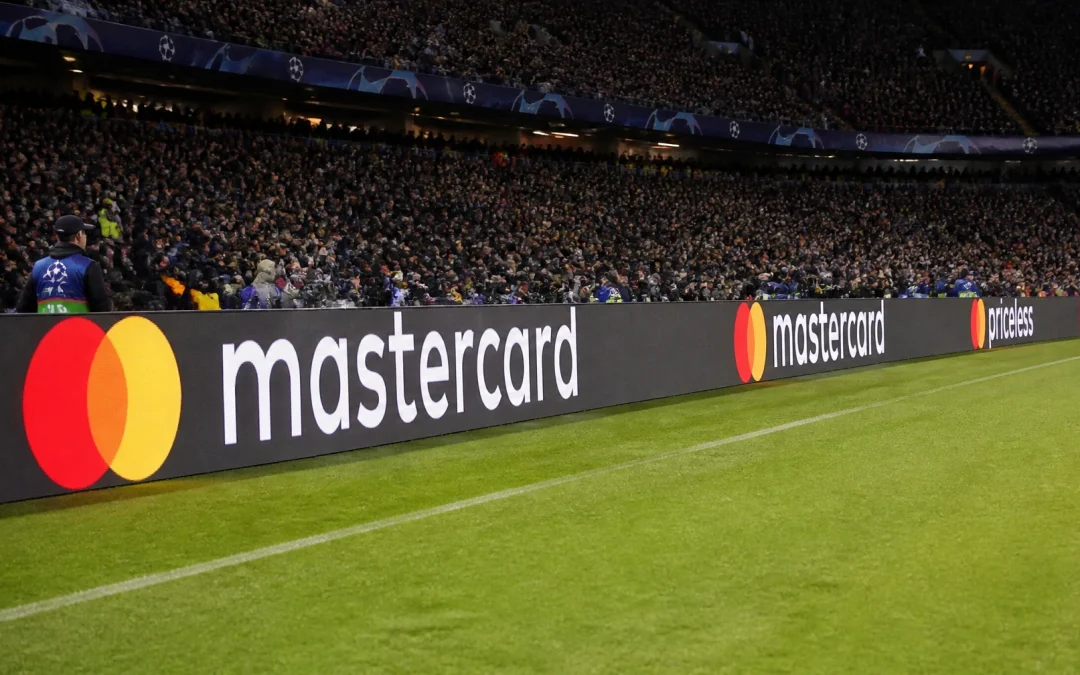
Stadium perimeter advertising has evolved from simple logo placement into a sophisticated engine for fan engagement. In the modern sports landscape, where every second of attention is a valuable commodity, digital out-of-home (DOOH) technology within the arena provides a unique bridge between a brand and a captive audience. This strategy does more than display a name; it embeds a brand into the emotional fabric of the game.
For creative directors and chief marketing officers, the challenge is often how to break through the noise of traditional digital and television ads. Stadium perimeter advertising offers a solution by appearing at the exact moment fans are most invested. This presence creates a powerful association between the excitement of the competition and the message on the screen.
Captive Visibility and Emotional Trust
One of the primary benefits of stadium perimeter advertising is its unavoidable nature. Unlike television commercials that viewers might skip or digital ads that are often blocked, perimeter LED boards are located directly in the field of play. Fans in the stands and viewers watching the broadcast are naturally drawn to these boards as they follow the action.
The psychological impact of this positioning is significant. Research indicates that sports fans are six to eight times more engaged than typical internet audiences. When a brand appears on the perimeter during a high-stakes moment, it benefits from a "trust transfer." Fans view the brand as a supporter of their team, which fosters a sense of community and loyalty. This non-intrusive integration allows the message to be consumed alongside the game rather than as an interruption.
Strategic Execution: Moving Beyond Static Content
Successful campaigns use the digital nature of modern perimeter boards to move beyond static imagery. The ability to update content in real time allows for dynamic strategies that react to the events on the field.
- Moment-Based Triggers: Brands can synchronize their creative to display specific messages during key events such as goals, touchdowns, or timeouts. For example, a "goal celebration" animation that includes a limited-time offer can capture fans at their peak emotional state.
- Interactive Technology: Integrating QR codes on perimeter screens allows fans to transition from passive viewers to active participants. High-quality execution can lead to engagement rates as high as 15% to 20%, which is significantly higher than standard digital click-through rates.
- Contextual Relevance: Using team colors and slogans helps the brand feel like an organic part of the stadium environment. This strategy ensures that the advertising does not feel like an outsider but rather a part of the local sports culture.

The ultimate guide to stadium perimeter ads highlights that the most effective creative is simple, bold, and high-contrast, ensuring it remains legible for both in-person attendees and global broadcast audiences.
The Halo Effect: Broadcast and Social Amplification
While the fans inside the stadium are a primary target, the reach of perimeter advertising extends far beyond the venue gates. In the age of social media, every major play is captured, shared, and replayed millions of times.
When a crucial play happens, the perimeter boards in the background are often visible in the replays, highlight packages, and viral social media clips. This organic secondary reach provides brands with millions of additional impressions without extra cost. A brand becomes a permanent part of the history of that specific match. Furthermore, the dual-audience advantage allows for simultaneous exposure to local fans and a global streaming audience, maximizing the value of the investment.
Measuring Success with Data
The shift toward programmatic DOOH has revolutionized how brands measure the impact of stadium advertising. It is no longer a matter of guesswork; data provides a clear picture of performance.
- High Ad Recall: Studies show that ad recall for sports venue DOOH is approximately 86%, compared to 60% for traditional television.
- Actionable Results: Approximately 74% of consumers take a follow-up action after seeing a DOOH ad in a sports venue, such as visiting a website or searching for a product.
- Brand Lift: Premium stadium placements have been shown to drive a 15% to 25% increase in aided brand awareness among target demographics.
By utilizing programmatic DOOH strategies, media buyers can optimize their spend by targeting specific game windows or high-traffic periods, ensuring that every dollar spent is tied to a high-impact moment.

The 10-Mile Strategy: A Comprehensive Approach
To truly elevate fan engagement, a brand must think about the entire fan journey. The influence of a brand should not end at the stadium walls. A sophisticated strategy involves a "10-mile perimeter," where digital screens in the surrounding area reinforce the message fans see inside the arena.
This approach targets fans on their way to the game, during their stay in the local area, and as they depart. Whether it is a digital board at a nearby transit hub or a screen in a crowded sports bar, the consistent presence builds a cohesive narrative. Implementing a 10-mile stadium strategy ensures that the brand remains top-of-mind long after the final whistle.
With the OOH Sports network expansion, access to over 25,000 digital screens allows brands to create this seamless omnichannel experience across the country.
Conclusion
Stadium perimeter advertising is a powerful tool for brands looking to connect with fans on a deeper level. By combining the emotional energy of live sports with the precision of digital technology, brands can achieve levels of recall and engagement that traditional media cannot match. From dynamic creative that reacts to the game to broad-reaching social amplification, this strategy ensures that a brand is not just seen, but remembered.

For those involved in the buying and planning of sports media, the focus should remain on creating value for the fan. When advertising enhances the game experience rather than detracting from it, the result is a lasting relationship between the brand and the consumer.