
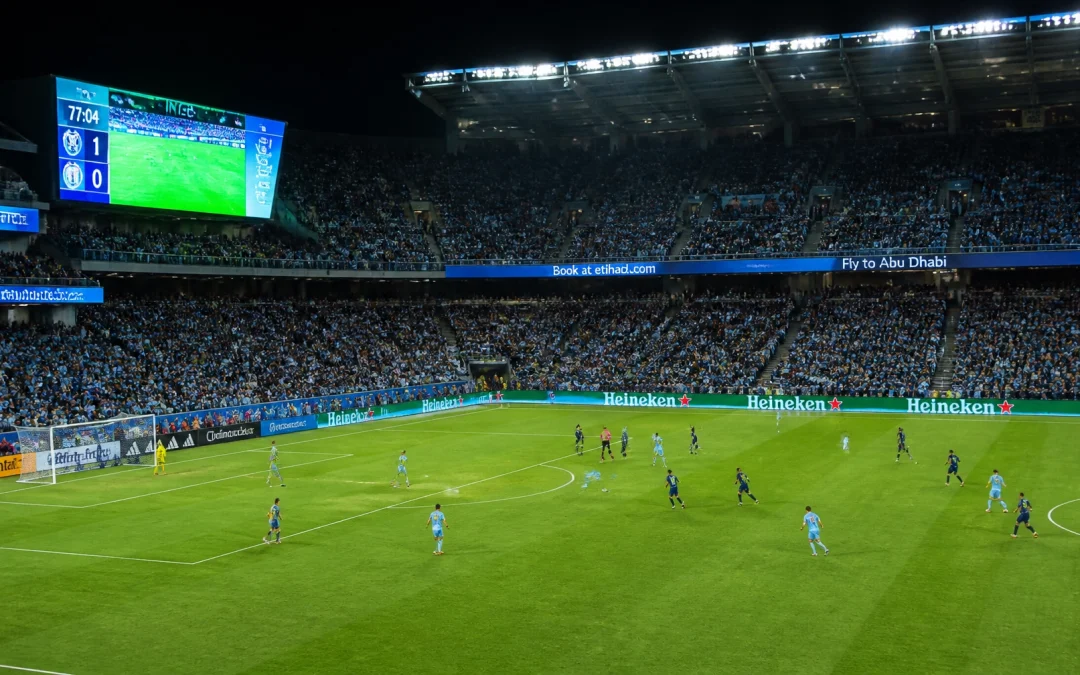
Live sports remain one of the few global experiences that command undivided attention. In a world of fragmented media consumption, the stadium environment offers a rare opportunity for brands to connect with a captive and emotionally invested audience. Stadium perimeter advertising, specifically high-definition LED boards encircling the field of play, has evolved into a sophisticated tool for driving brand presence and fan engagement. This strategy moves beyond simple visibility, integrating a brand into the rhythm of the game itself.
Strategy: The Evolution of Stadium Perimeter Ads
The shift from static boards to dynamic Digital Out of Home (DOOH) technology has revolutionized how brands occupy stadium space. Modern perimeter ads are no longer background noise. They are vibrant, high-resolution canvases that allow for real-time messaging and movement.
The primary strategy involves leveraging the high-emotional state of fans. During a live match, viewers are focused on the field. By placing advertisements directly in the line of sight, brands benefit from sustained frequency. Unlike digital display ads on a smartphone or television commercials that can be skipped, perimeter ads are an inseparable part of the broadcast and the in-stadium experience. This non-interruptive approach ensures that the message is received during peak moments of excitement, such as a goal celebration or a critical play, creating a positive association between the brand and the fan's emotional high.

Objective & Strategy: Capturing Fan Attention
The core objective of stadium perimeter advertising is to maximize brand recall and drive post-game action. Strategic implementation focuses on three main pillars.
- Emotional Integration: Aligning creative content with the atmosphere of the event. Brands that use dynamic visuals to match the energy of the crowd often see higher resonance.
- Constant Visibility: Perimeter boards remain in the camera frame for the majority of a broadcast. This ensures that the brand reaches not only the thousands of fans in the seats but also the millions watching via television and digital streaming platforms globally.
- Multi-Channel Reinforcement: Stadium ads often serve as the anchor for a broader campaign. When a fan sees a brand on the perimeter board and later encounters the same brand on a social media feed or a local digital billboard, the repetition solidifies the brand's presence in their mind.
Research into fan engagement strategies indicates that fans who recall seeing an advertisement during a sporting event are significantly more likely to trust that brand. This trust is built on the brand's perceived status as a supporter of the sports and teams the fans love.
Logistics and Execution: The 10-Mile Radius
Effective sports marketing does not stop at the stadium gates. To truly turn game day into a win, a comprehensive approach often includes a perimeter of up to 10 miles around the venue. This "stadium surround" strategy targets fans as they journey to and from the arena.
The execution involves a coordinated network of digital video advertising boards located in high-traffic areas, transit hubs, and retail centers near the stadium. By saturating the local environment, brands can maintain a continuous dialogue with the audience. For instance, a fan might see a digital board at a nearby train station, encounter the brand on the LED perimeter during the match, and see a final reminder on a billboard while leaving the area. This logistical precision ensures the brand dominates the entire game day journey.

Technology Partners: Programmatic DOOH and Network Integration
The success of these campaigns is powered by advanced technology and strategic partnerships. The OOH Sports Network provides access to all digital video advertising boards across every major sports category. This network allows media buyers and planners to execute campaigns with programmatic precision.
- Programmatic DOOH: Using automated platforms to buy and optimize ad space in real time. This technology allows brands to trigger specific ads based on game events, weather conditions, or audience demographics.
- Data-Driven Targeting: Creative directors can use device ID data to understand who is in the stadium and retarget those individuals with digital ads after the game.
- Omnichannel Synchronization: Ensuring that the messaging on the stadium perimeter boards is consistent with the ads running on mobile devices and other outdoor displays.
The integration of programmatic DOOH has changed how brands target sports fans, allowing for more efficient spend and measurable impact. By partnering with specialized networks, brands can bypass the complexities of individual stadium deals and reach a national audience through a single, unified platform.

Results: Quantifying Success
Data from recent campaigns illustrates the significant impact of stadium-centric advertising. When brands combine perimeter boards with a local digital network, the results are measurable and substantial.
- Brand Recall and Action: Studies show that 90% of fans who recall seeing an ad at a sporting event take a real-world action. This includes searching for the brand online, visiting a website, or making a purchase.
- Mobile Engagement: There is a strong correlation between outdoor ads and digital behavior. Approximately 74% of mobile users take an action on their smartphone after being exposed to a DOOH ad.
- Return on Investment (ROI): The use of precise tracking and frame-accurate broadcast measurement has led to reported ROI increases of up to 269% compared to traditional methods.
- Brand Lift: High-profile campaigns have demonstrated remarkable lifts in purchase consideration. For example, some brands have seen a 74% lift in purchase consideration by utilizing programmatic DOOH to launch new products during key sports windows.
The local economic impact is also noteworthy. Statistics suggest that 99% of fans who attend games after seeing an outdoor ad spend money at nearby businesses, further proving that stadium-related advertising drives broad commercial activity.

Conclusion: Strengthening Brand Presence
Stadium perimeter ads are a cornerstone of modern sports marketing. By moving beyond static images and embracing the dynamic capabilities of the OOH Sports Network, brands can achieve a level of engagement that is difficult to replicate in other media. The combination of high-visibility LED boards, a strategic 10-mile surround, and programmatic technology creates a powerful ecosystem for brand growth.
For Chief Marketing Officers and Creative Directors, the goal is clear: to be where the fans are, when they are most engaged. Utilizing stadium perimeter advertising ensures that a brand is not just a spectator but a central participant in the fan experience. This strategic alignment turns the excitement of the game into a lasting victory for the brand.