
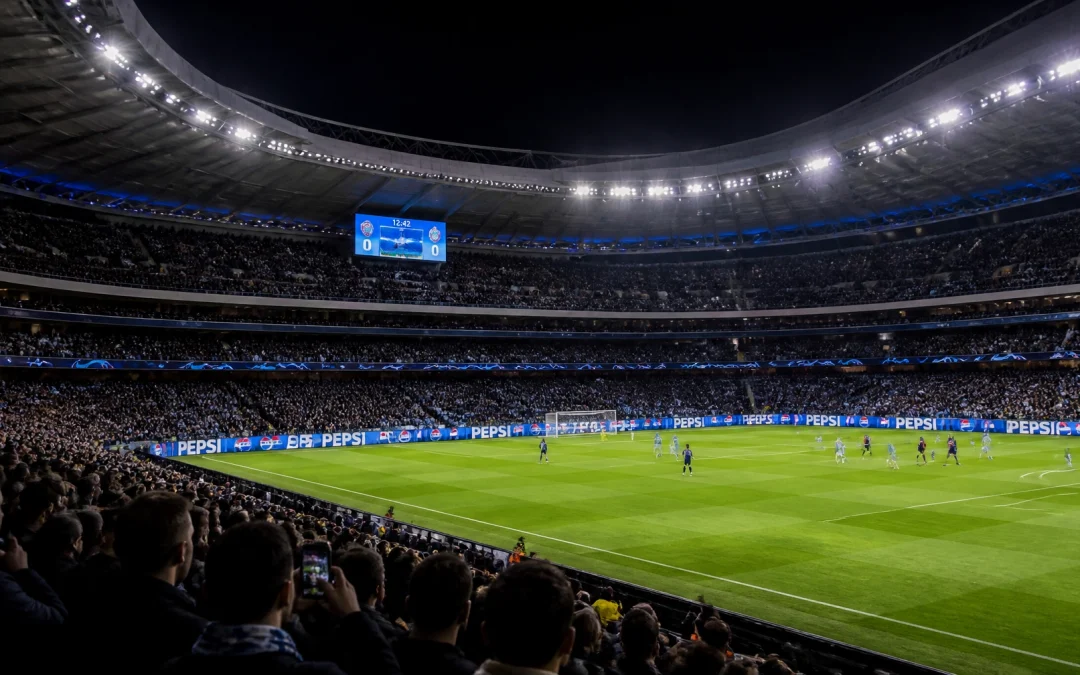
The landscape of sports marketing has evolved from simple sponsorship to an era of immersive fan experiences. Modern audiences no longer settle for passive observation. They seek connection, interaction, and relevance throughout the entire game day. For chief marketing officers and creative directors, this shift necessitates a move toward more dynamic advertising formats. Stadium perimeter advertising, particularly through digital out of home (DOOH) channels, has emerged as a primary catalyst for this deeper level of fan engagement.
By leveraging the emotional intensity of live sports, brands can transcend traditional commercial breaks and integrate directly into the fabric of the event. This strategy relies on the high energy of the venue to amplify brand messages, ensuring they are not just seen but remembered long after the final whistle.
Objective and Strategy
The primary objective of a stadium perimeter campaign is to maximize brand visibility during peak moments of emotional investment. Unlike television advertisements that may be skipped or ignored during breaks, stadium perimeter boards are visible during the play itself. This ensures that the brand is present during goals, touchdowns, and critical game-changing plays when fan attention is at its absolute highest.
A comprehensive strategy involves dominating the geographic area surrounding the venue. OOH Sports focuses on a perimeter of up to 10 miles around stadiums, creating a brand "halo" that captures fans as they commute to the game, enter the arena, and celebrate afterward. This multi-touchpoint approach ensures that the message is reinforced throughout the entire fan journey, rather than being limited to a single fleeting moment.
Strategy: Seamless Integration with the Fan Journey
Successful fan engagement requires an understanding of the fan's mindset at different stages of the day. A well-executed sports advertising strategy utilizes various DOOH assets to maintain a constant presence.
- Pre-Game Anticipation: Digital billboards along transit routes and near parking structures build excitement. Messaging can focus on team pride or exclusive pre-game offers.
- Arrival and Entrance: Large-format digital screens at stadium gates provide high-impact visuals as fans wait to enter. This is an ideal time for interactive elements like QR codes that link to team rosters or merchandise discounts.
- In-Game Intensity: LED perimeter boards around the field provide constant exposure during the broadcast and to the live audience. These boards are non-interruptive, appearing as a natural part of the stadium environment.
- Post-Game Celebration: After the game, digital screens in high-traffic pedestrian areas can display congratulatory messages or direct fans to local retail and dining locations.

Technology Partners and Programmatic DOOH
The transition from static banners to programmatic DOOH has revolutionized the precision of sports marketing. By utilizing advanced technology platforms, brands can now automate the buying and placement of advertisements based on real-time data and specific triggers.
Technology partners allow for sophisticated targeting capabilities. For instance, creative content can be adjusted automatically based on the current score, weather conditions, or player performance. This level of agility ensures that the advertising remains contextually relevant to the live action on the field. Furthermore, programmatic platforms facilitate the buying of inventory across a vast network of digital video advertising boards, providing a unified approach to reaching fans across every category of sports venue.
Impact on Fan Engagement and Brand Recall
The effectiveness of stadium perimeter advertising is supported by significant data regarding fan behavior and receptivity. Research indicates that sports fans are six to eight times more engaged than typical internet users. This heightened state of awareness translates directly into superior marketing metrics.
- Unprecedented Recall: Studies show that ad recall for sports venue DOOH reaches approximately 86 percent, compared to only 60 percent for traditional television spots.
- Action-Oriented Response: Approximately 74 percent of consumers take a follow-up action, such as searching for a product or visiting a website, after exposure to sports-related DOOH.
- High Engagement Rates: Well-executed perimeter campaigns often see engagement rates between 15 and 20 percent, significantly higher than standard digital click-through rates.
These figures demonstrate that stadium-centric advertising is not merely about impressions. It is about creating a lasting impact on a demographic that is predisposed to high levels of attention and brand affinity.

Branding Through Emotional Trust
One of the unique advantages of stadium perimeter advertising is the "trust transfer" that occurs between the team and the brand. Fans often perceive brands that support their favorite teams as genuine contributors to the club’s success. This association builds long-term loyalty and enhances brand equity.
By appearing within the stadium environment, a brand is seen as a participant in the fan experience rather than an outside intruder. This positioning is critical for building brand preference. When a brand's message is synchronized with the crowd's energy, it becomes part of the memory of the event, fostering a positive sentiment that persists beyond the game.
Results and Measurement
Quantifying the success of stadium perimeter campaigns involves a combination of brand lift studies and digital attribution. Modern measurement techniques allow media planners to track the movement of fans who have been exposed to specific DOOH assets.
- Brand Awareness Lift: Premium stadium placements have been shown to deliver a 15 to 25 percent increase in aided brand awareness.
- Foot Traffic Attribution: By analyzing anonymized device IDs, brands can measure the correlation between exposure to a stadium perimeter ad and subsequent visits to retail locations.
- Digital Integration: The use of interactive elements like QR codes provides immediate, first-party data on fan interest and conversion.
These results highlight the tangible ROI that DOOH industry insights now offer to data-driven marketing teams. The ability to link a high-impact physical placement to a specific digital action provides the accountability that modern media buyers require.

Logistics and Execution
Executing a successful perimeter campaign requires a strategic approach to site selection and creative delivery. OOH Sports manages the logistics of accessing digital video advertising boards across all categories, ensuring that brand messages are displayed on the most effective screens within the 10-mile radius of the venue.
Tactical execution includes:
- Synchronizing creative updates with game schedules to ensure maximum visibility.
- Utilizing high-resolution motion graphics that are optimized for both live viewing and broadcast cameras.
- Ensuring brand safety by placing advertisements in premium, high-traffic locations that align with the brand's identity.
- Coordinating with digital out of home networks to provide a seamless omnichannel experience.
Conclusion
Stadium perimeter advertising represents a significant opportunity for brands to connect with a passionate and captive audience. By moving beyond the boundaries of traditional media and embracing the dynamic capabilities of programmatic DOOH, marketers can achieve levels of engagement and recall that are unattainable through other channels. The integration of high-impact visuals, real-time technology, and a deep understanding of the fan journey ensures that brand messages are not just a background element but a core part of the sports experience. As the sports industry continues to grow, those who leverage these advanced out of home strategies will be best positioned to capture the hearts and minds of fans across the nation.