
Strategic Overview
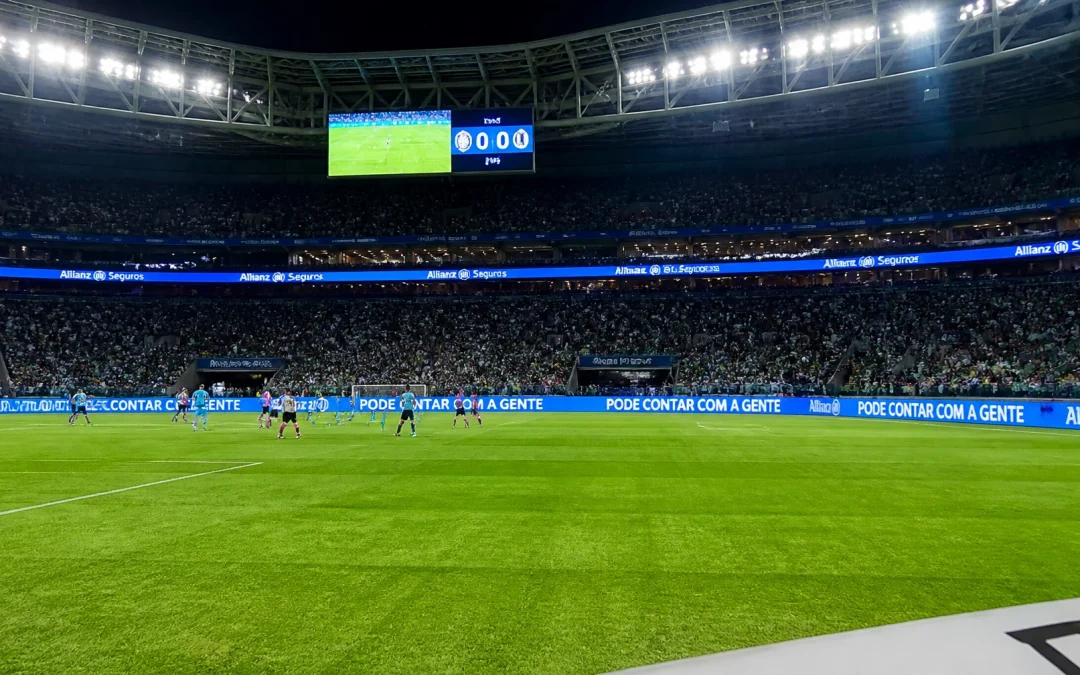
Modern sports marketing demands more than static logos and traditional banner placements. As audiences fragment across digital and broadcast channels, brand managers and creative directors continually evaluate methods to secure undivided attention. Within the broader ecosystem of OOH sports, stadium perimeter advertising has emerged as a premier medium for driving meaningful fan engagement and high-impact branding. By integrating brand messaging directly into the field of play, advertisers achieve unprecedented visibility that bridges the physical stadium experience and global broadcast audiences.
The Mechanics of Stadium Perimeter DOOH
Digital out-of-home technology has revolutionized how perimeter boards operate in sports venues. Traditional static signage has largely given way to high-definition LED displays capable of dynamic color shifts, motion, and real-time content updates.

Key technical capabilities include:
- Dynamic Content Rotation: Multiple brand partners can rotate creatives seamlessly, optimizing message delivery across different phases of a match.
- Contextual Synchronization: Content can adapt instantly to game milestones such as goals, penalties, or time-outs, ensuring maximum relevance.
- High-Contrast Legibility: Modern LED specifications guarantee clear visibility for both in-stadium spectators and high-definition television broadcasts.
- Programmatic Integration: Media buyers utilize automated platforms to secure perimeter inventory alongside broader omnichannel campaigns.
Enhancing Fan Engagement Through Immersion
Connecting with passionate sports audiences requires meeting them where their attention is most concentrated. Stadium perimeter advertising succeeds because it capitalizes on the emotional high of live sporting events.

When brands appear on perimeter boards during pivotal moments of play, several psychological and behavioral mechanisms occur:
- Emotional Transfer: Positive emotional states experienced during competitive play transfer directly to adjacent brand assets, elevating overall brand preference.
- Non-Skippable Exposure: Unlike digital pre-rolls or television commercials that viewers bypass, perimeter displays remain constantly visible throughout active gameplay.
- Second-Screen Activation: Perimeter messages frequently incorporate hashtags, QR codes, or specific calls-to-action that prompt immediate mobile interaction.
- Community Alignment: Associating with beloved sports franchises builds authentic trust and long-term customer loyalty among passionate supporters.
Strategic Execution and Best Practices
Achieving measurable success with stadium perimeter advertising requires meticulous planning and creative alignment. Media planners and creative directors focus on specific tactical executions to maximize return on investment.

Consider these strategic principles when designing campaigns:
- Keep Creatives Concise: Complex animations or dense text fail to register during fast-moving athletic competition. Bold logos and clear value propositions perform best.
- Align with Match Timing: Tailor creative messaging to pre-game anticipation, half-time updates, and post-match celebrations.
- Integrate Omnichannel Touchpoints: Combine perimeter placements with mobile retargeting, social media campaigns, and in-venue experiential activations.
- Leverage Data Analytics: Utilize audience measurement tools to track exposure duration, device IDs exposed, and subsequent consumer actions.
Measurement, Attribution, and Industry Results
Quantifying the impact of stadium perimeter advertising has evolved significantly with advanced analytics. Industry data consistently demonstrates the superiority of sports digital out-of-home media over traditional advertising channels:
- Ad Recall: Research indicates that stadium digital out-of-home displays achieve an average ad recall of approximately 86 percent, compared to 60 percent for standard television placements.
- Consumer Action: Roughly 74 percent of sports spectators take a follow-up action, such as visiting a brand website or searching online, after viewing digital venue advertisements.
- Brand Awareness Lift: Premium stadium perimeter campaigns generate consistent 15 percent to 25 percent lifts in aided brand awareness among target demographic groups.
- Attribution Accuracy: Integration with mobile device graphing allows marketers to track foot traffic and digital conversions originating directly from stadium exposures.
As explored further in industry resources at OOH Sports, combining physical venue assets with programmatic digital workflows ensures brands can scale campaigns efficiently while maintaining precise geographic and demographic targeting.
Conclusion
Stadium perimeter advertising represents a transformative shift in sports marketing. By combining guaranteed visibility, high emotional resonance, and advanced digital out-of-home capabilities, brands secure a formidable platform for lasting consumer connection. For chief marketing officers and creative directors seeking to elevate their next campaign, integrating perimeter advertising within an omnichannel strategy delivers proven visibility and measurable engagement.