
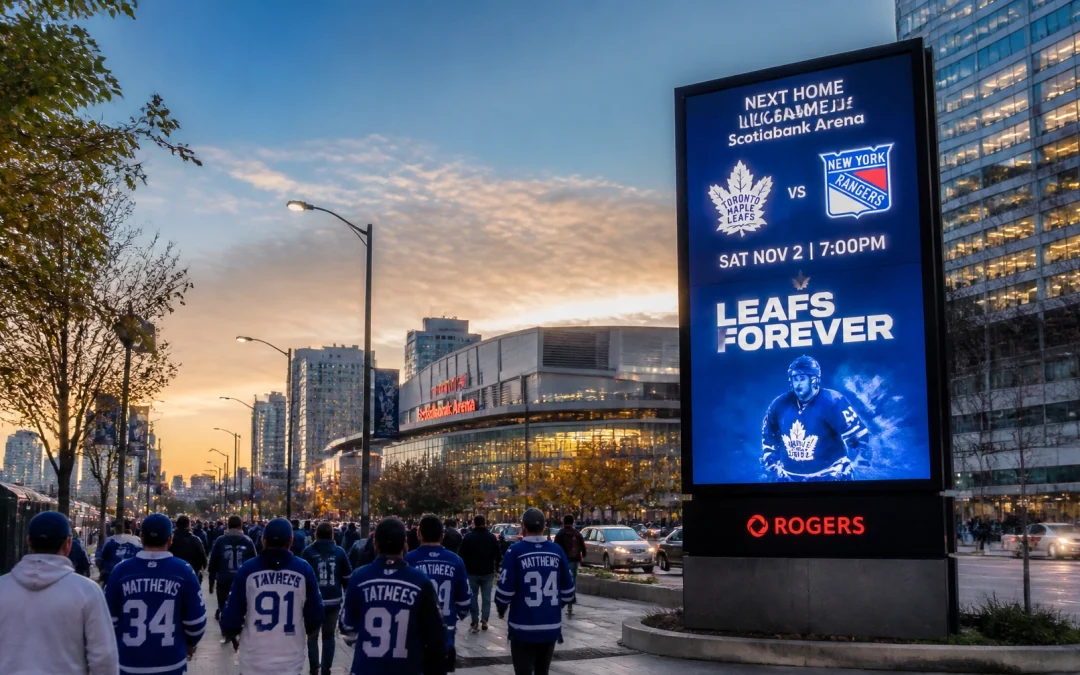
The landscape of sports marketing is undergoing a fundamental transformation. For decades, sports sponsorship relied primarily on static perimeter signage, broadcast logo placements, and traditional media buys. While these methods established baseline visibility, they offered limited flexibility and minimal capability for real-time interaction. Today, the rise of Digital Out-of-Home (DOOH) advertising has established a new paradigm. By combining physical scale with programmatic agility and real-time data feeds, DOOH technology enables brands to integrate seamlessly into the rhythm of live sports.
Organizations exploring advanced sports media opportunities can discover comprehensive solutions through the OOH Sports platform. This evolution moves sports marketing beyond passive logo exposure, turning physical environments into dynamic touchpoints that capture fan attention and drive measurable business outcomes.
Objective and Strategy
The primary objective of modern sports DOOH campaigns is to transition from broad, untargeted impressions to highly contextual, moment-driven engagement. Traditional advertising reaches general demographics, but sports DOOH targets audiences based on specific temporal, geographical, and behavioral signals.
The strategy centers on three core pillars:
- Contextual Relevance: Aligning brand messaging with live event schedules, current scores, and localized fan movements.
- Geographic Precision: Deploying advertisements along high-traffic commuter corridors, transit routes, and perimeter zones surrounding sports venues.
- Dynamic Adaptability: Updating creative assets automatically based on game states, weather conditions, or time of day.
By focusing on these strategic levers, brand managers and media buyers can cut through digital clutter. Rather than interrupting the fan experience, DOOH enhances it by providing timely information, entertainment, and relevant offers that match the emotional peak of sporting events.
Technology Partners and Programmatic DOOH Execution
Executing sophisticated sports DOOH campaigns requires robust programmatic infrastructure and specialized technology partners. Programmatic DOOH (prDOOH) allows media buyers to purchase advertising inventory dynamically across networks of digital screens using data-driven triggers.

Advanced execution involves several key technological components:
- Demand-Side Platforms (DSPs): Enabling automated bidding and precise audience targeting based on device IDs, mobility data, and proximity to venues.
- Dynamic Creative Optimization (DCO): Automatically swapping text, imagery, or offers based on real-time data feeds such as live scores, odds, or weather updates.
- Verified Measurement Partners: Utilizing third-party attribution tools to track foot traffic, brand lift, and mobile retargeting efficacy.
Through platforms like OOH Sports, advertisers gain access to comprehensive digital inventory spanning transit hubs, urban entertainment districts, and stadium perimeters. This infrastructure ensures that brand messages reach sports enthusiasts consistently across their entire journey, from morning commutes to post-game celebrations.
Fan Engagement Tactics Across the Event Lifecycle
Effective sports DOOH campaigns are structured around the natural lifecycle of a sporting event. By tailoring messaging to each phase, brands maintain relevance and deepen emotional connection with fans.

Pre-Game Hype and Anticipation
Prior to kick-off or tip-off, screens positioned along transit routes and near venue entrances focus on building excitement.
- Countdowns to game time and matchup highlights capture the attention of arriving fans.
- Quick-service restaurants and beverage brands deploy time-sensitive promotions targeted at commuters heading toward the stadium.
- Dynamic creatives highlight team rivalries or key player milestones to spark conversation and anticipation.
In-Game Real-Time Integration
During the match, DOOH screens serve as secondary information hubs that reflect ongoing action.
- Live scores, current statistics, and instant updates are embedded directly into brand creatives.
- Sportsbooks and retail brands utilize real-time odds and dynamic calls-to-action that respond immediately to game developments.
- Interactive elements such as QR codes encourage fans to participate in mobile polls or contests, bridging physical attention with digital conversion.
Post-Game Celebration and Amplification
Immediately following the final whistle, the messaging pivot is immediate and emotional.
- Screens near stadiums display congratulatory visuals for winning teams, paired with merchandise offers or subscription sign-ups.
- Celebratory creative captures the euphoria of the crowd, turning high-energy moments into direct commercial opportunities.
- Retargeting campaigns deployed via mobile devices reinforce the DOOH exposure, capturing high-intent users after they leave the physical venue.
Quantifiable Results and Impact Measurement
One of the most significant advantages of sports DOOH innovation is the ability to quantify campaign performance with precision. Unlike legacy outdoor advertising, programmatic DOOH provides robust data analytics that validate return on ad spend.

Industry studies and campaign benchmarks demonstrate strong performance metrics across key categories:
- Brand Awareness and Recall: Campaigns utilizing dynamic DOOH creative achieve an average 7% lift in overall brand awareness and up to a 25% increase in broadcast tune-in intent.
- Creative Effectiveness: Content that evolves dynamically over the course of a campaign delivers up to 38% higher impact compared to static imagery.
- Cross-Channel Synergy: Pairing DOOH exposure with subsequent mobile retargeting increases mobile click-through rates by approximately 15%.
- Purchase Consideration: Case studies involving major product launches within sports environments report up to a 74% increase in purchase consideration among exposed audiences.
For detailed examples of how brands successfully implement these strategies, review the insights available on the OOH Sports Case Studies page.
Conclusion
Sports DOOH innovation represents a vital evolution for modern media buyers and brand managers. By fusing the high-impact visibility of traditional outdoor advertising with programmatic flexibility and real-time sports data, brands can engage passionate audiences with unprecedented relevance. Moving beyond static logos into dynamic, moment-driven storytelling ensures that marketing investments deliver both memorable fan experiences and verifiable business results. To learn more about building effective sports media strategies, explore the resources and network offerings provided by OOH Sports.