
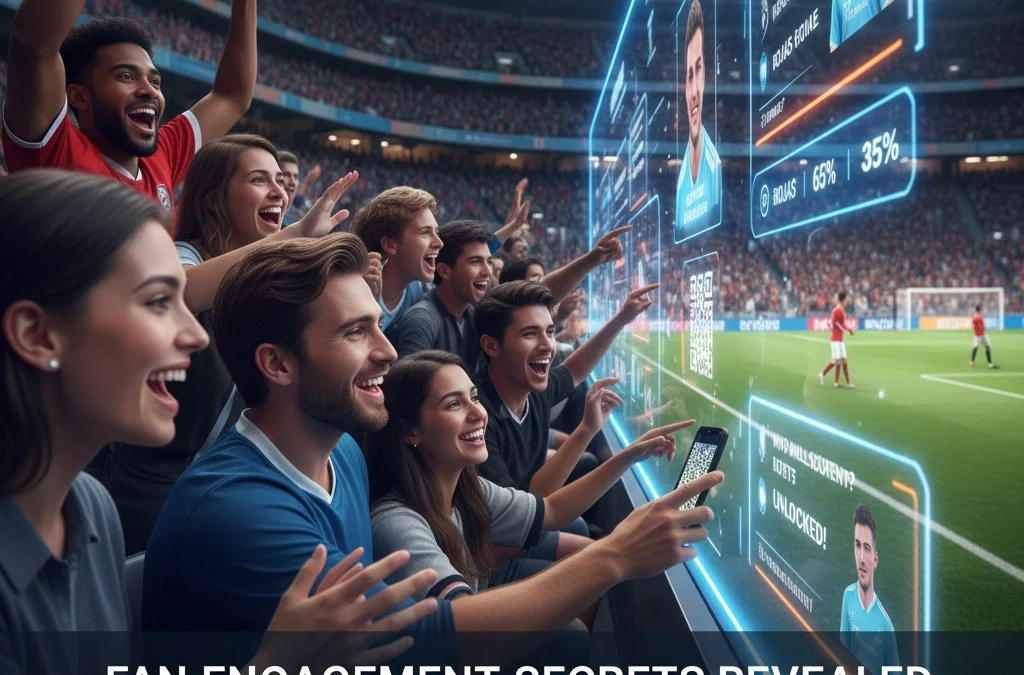
Interactive digital out-of-home advertising has emerged as the most powerful weapon in sports marketing, transforming passive spectators into active participants and driving engagement rates that traditional advertising cannot match. While many sports marketing professionals guard their most effective strategies, the data reveals clear patterns that separate successful campaigns from mediocre ones.
Dan Kost, CEO of OOH Sports, has observed a fundamental shift in how brands approach fan engagement through interactive DOOH campaigns. The sports advertising industry is projected to reach $50 billion by 2030, with interactive DOOH representing the fastest-growing segment within this market.
The Psychology Behind Interactive Sports Engagement
Interactive digital campaigns tap into fundamental human psychology that drives sports fandom. Fan engagement increases by up to 32% during major tournaments when marketing activities include interactive elements, according to recent industry studies. This psychological shift transforms viewers from passive observers into active participants in the sporting experience.
The most successful campaigns leverage three core psychological drivers:
Tribal Identity: Sports fans possess strong tribal affiliations that extend beyond team loyalty. Interactive DOOH campaigns that allow fans to express team pride through polls, predictions, or social sharing create deeper emotional connections than static advertisements.
Real-Time Participation: Fans crave immediate involvement in unfolding sports narratives. Interactive elements that respond to live game events, player performances, or tournament brackets satisfy this desire for real-time engagement.
Social Validation: Sports viewing is inherently social, and interactive DOOH campaigns that facilitate group participation or social sharing amplify engagement through peer validation and competitive dynamics.

Advanced Interactive Technologies Driving Results
The most effective interactive DOOH campaigns in sports marketing deploy sophisticated technologies that create seamless user experiences across multiple touchpoints.
Dynamic Content Integration: Modern DOOH screens automatically update content based on live sports data feeds, weather conditions, and real-time events. This capability allows advertisers to display countdown timers to upcoming games, live scores, and tournament brackets that maintain relevance throughout sporting events.
Multi-Touch Interaction Platforms: QR code integration, mobile app connectivity, and touch-enabled displays create multiple interaction pathways for fans. Successful campaigns incorporate voting mechanisms for favorite players, prediction contests for game outcomes, and exclusive content unlocks that require active participation.
Geotargeted Activation Systems: Advanced geotargeting ensures interactive elements appear at optimal locations and times. Sports bars, stadium perimeters, transportation hubs, and retail locations near sporting venues provide high-traffic environments where fans demonstrate peak engagement levels.
Gamification Elements: Interactive polls, trivia contests, and fantasy league integrations transform traditional advertising into gaming experiences. These elements increase dwell time and create memorable brand interactions that extend beyond the initial exposure.
Strategic Implementation Framework for Maximum Impact
Sports marketing experts deploy interactive DOOH campaigns using systematic approaches that maximize engagement and measurable outcomes.
Pre-Event Activation: Campaigns begin weeks before major sporting events, building anticipation through countdown timers, roster reveals, and prediction contests. This extended engagement period creates sustained brand exposure and develops audience investment in campaign outcomes.
Live Event Integration: Real-time responsiveness during games, matches, or tournaments requires agile content management systems that adapt to live events. Successful campaigns react to goals, upsets, player milestones, and momentum shifts with updated creative that maintains relevance.
Post-Event Extension: Interactive campaigns continue after events conclude, leveraging results, highlights, and fan reactions to maintain engagement. This extended lifecycle maximizes campaign value and creates opportunities for retargeting engaged audiences.

Location-Based Targeting Strategies That Deliver Results
The physical placement of interactive DOOH campaigns significantly impacts engagement rates and conversion metrics. Strategic location selection based on fan behavior patterns and traffic analysis drives superior performance.
Stadium Proximity Targeting: Digital screens within walking distance of sports venues capture fans during peak excitement periods. Pre-game anticipation and post-game emotional states create optimal conditions for interactive engagement.
Transportation Hub Activations: Airports, train stations, and major transit centers attract traveling sports fans who demonstrate higher engagement rates with location-relevant content. Interactive elements that provide local sports information, venue directions, or team merchandise offers perform exceptionally well in these environments.
Entertainment District Integration: Bars, restaurants, and retail locations in sports entertainment districts provide extended exposure opportunities where fans gather before and after events. Interactive campaigns in these locations benefit from group dynamics and social sharing behaviors.
Demographic-Specific Targeting: Advanced audience analytics enable precise targeting of specific fan segments based on team preferences, spending behaviors, and engagement history. This precision targeting increases relevance and response rates significantly.
Measuring Success Through Advanced Analytics
Interactive DOOH campaigns in sports marketing generate measurable results that traditional advertising cannot match. Industry data reveals consistent performance improvements across key metrics.
Engagement Rate Improvements: Well-executed interactive campaigns achieve 20% to 30% higher engagement rates compared to static advertising. These improvements result from active participation requirements that create deeper brand connections.
Brand Recall Enhancement: Interactive elements increase brand recall rates by 40% to 60% compared to passive viewing experiences. The active participation required by interactive campaigns creates stronger memory formation and brand association.
Attribution and Conversion Tracking: Advanced tracking systems measure specific actions taken through interactive elements, providing clear attribution pathways from exposure to conversion. This data enables precise ROI calculations and campaign optimization.
Audience Insights Generation: Interactive campaigns collect valuable first-party data about fan preferences, behaviors, and demographics. This information supports future campaign targeting and creative development strategies.

Technology Partners and Platform Integration
Successful interactive DOOH campaigns require seamless integration across multiple technology platforms and vendor partnerships.
Programmatic DOOH Platforms: Automated buying platforms enable real-time campaign optimization based on audience data, location analytics, and performance metrics. These platforms facilitate dynamic creative updates and budget allocation adjustments.
Data Integration Systems: Live sports feeds, weather APIs, social media streams, and mobile app data create comprehensive audience profiles that inform creative decisions and targeting strategies.
Mobile Connectivity Solutions: QR code generators, NFC technology, and app-based interactions create bridge connections between physical displays and personal devices. These connections extend engagement beyond initial exposure and enable detailed tracking.
Analytics and Measurement Tools: Advanced attribution modeling, brand lift studies, and conversion tracking provide comprehensive campaign performance analysis. These tools enable data-driven optimization and strategic planning for future campaigns.
Industry Trends Shaping Interactive DOOH Evolution
The interactive DOOH landscape in sports marketing continues evolving through technological advancement and changing consumer expectations.
Artificial Intelligence Integration: AI-powered content optimization adjusts creative elements based on real-time audience analysis, weather conditions, and live sports events. This automation increases relevance and reduces manual campaign management requirements.
Augmented Reality Features: AR overlays on DOOH screens create immersive experiences that blend physical and digital environments. Sports marketing applications include virtual player interactions, 3D game replays, and branded AR filters.
Voice Activation Technology: Voice-controlled interactions eliminate physical touch requirements while maintaining engagement capabilities. This technology particularly appeals to younger demographics and creates accessibility improvements.
Cross-Platform Attribution: Advanced tracking systems follow audience journeys across DOOH, mobile, social media, and e-commerce touchpoints. This comprehensive view enables holistic campaign optimization and budget allocation strategies.

Implementation Best Practices for Campaign Success
Sports marketing professionals achieve optimal results through systematic implementation approaches that address technical, creative, and strategic considerations.
Content Management Systems: Centralized platforms that enable real-time creative updates across multiple screens and locations ensure consistent messaging while allowing localized customization based on audience demographics and venue characteristics.
Quality Assurance Protocols: Comprehensive testing procedures verify interactive functionality, content accuracy, and technical performance before campaign launch. These protocols prevent technical failures that compromise user experience and campaign effectiveness.
Performance Monitoring: Continuous analytics review enables real-time optimization and rapid response to performance anomalies. Successful campaigns include dedicated monitoring resources and predefined response protocols.
Vendor Coordination: Complex interactive campaigns require coordination across multiple technology providers, venue operators, and creative agencies. Clear communication protocols and project management systems ensure seamless execution.
Maximizing ROI Through Strategic Campaign Design
Interactive DOOH campaigns deliver superior return on investment when designed with specific strategic objectives and measurement frameworks.
Campaign success depends on clear objective definition, audience targeting precision, and creative execution quality. Sports marketing professionals who implement comprehensive strategies across these dimensions achieve measurable improvements in brand awareness, engagement rates, and conversion metrics.
The competitive advantage gained through interactive DOOH implementation extends beyond immediate campaign results. These campaigns generate valuable audience insights, establish technological capabilities, and create precedents for future marketing innovations.
For sports marketers seeking to implement interactive DOOH strategies, partnering with experienced technology providers and measurement specialists ensures optimal campaign performance and strategic value creation.
Ready to transform your sports marketing strategy with interactive DOOH? Contact OOH Sports at +1 (970) 703-0102 to discover how interactive digital campaigns can drive unprecedented fan engagement and measurable business results for your brand.
Share this article:
LinkedIn | Facebook | Instagram | X
OOH Sports specializes in innovative digital out-of-home advertising solutions that drive measurable results for sports marketing campaigns. Learn more at oohsports.com.