
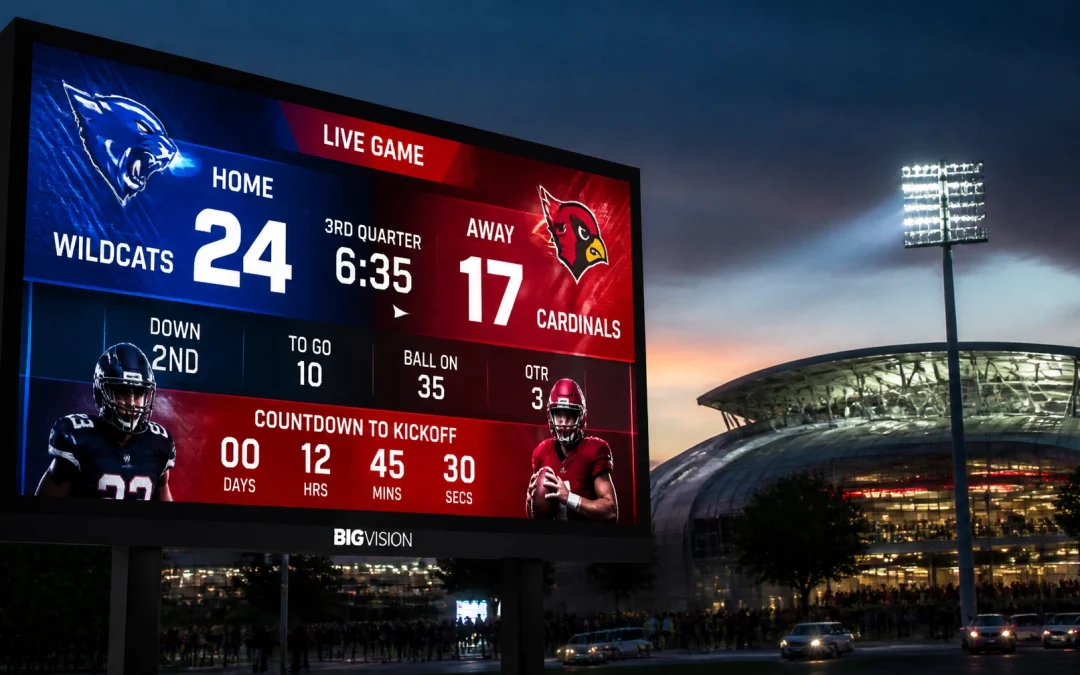
The landscape of sports marketing is undergoing a significant transformation. Traditional television commercials and static stadium signage no longer command the undivided attention of fans who are increasingly tethered to their mobile devices. To capture the attention of a distracted audience, brands are turning to Digital Out of Home (DOOH) advertising. This medium allows for a level of creativity, real-time relevance, and precision targeting that was previously impossible.
Digital Out of Home in the sports sector is not merely about placing a digital version of a print ad on a screen. It is about integrating brand messaging into the fan journey through data-driven content. By leveraging the technology available through platforms like OOH Sports, advertisers can now reach fans within a 10-mile perimeter of every major sports venue in the country. This strategic approach ensures that messaging is delivered when and where fans are most engaged.
Strategy
The fundamental strategy behind innovative sports DOOH involves moving away from a one-size-fits-all approach. Successful campaigns utilize programmatic technology to deliver dynamic creative that responds to the environment. This includes:
- Utilizing live sports data feeds to update creative in real time.
- Implementing geographic fencing around stadiums, sports bars, and transit hubs.
- Synchronizing ad delivery with specific game-day moments.
- Integrating user-generated content to bridge the gap between social media and the physical world.
By focusing on the "stadium halo," brands can dominate the local conversation during a four to six-hour window surrounding an event. This strategy capitalizes on the high-intent environment of game day, where fans are actively seeking information and entertainment.
Objective & Strategy
The primary objective of these innovative campaigns is to move beyond simple brand awareness. Marketers aim to drive measurable results, such as a lift in purchase consideration or increased app downloads for sports betting platforms. To achieve this, the strategy focuses on utility and context.
When an advertisement provides a service, such as a live score update or a countdown to kickoff, the audience perceives it as valuable content rather than a disruption. This "utility first" approach fosters a more positive brand image and leads to higher engagement rates. Furthermore, by targeting the 10-mile perimeter around venues, campaigns reach a concentrated group of high-value consumers who are already in a celebratory or competitive mindset.
Technology Partners
Execution of high-level DOOH campaigns requires a robust technological infrastructure. OOH Sports collaborates with leading Demand Side Platforms (DSPs) to ensure seamless programmatic execution.
- StackAdapt: A primary partner for driving programmatic DOOH adoption in omnichannel campaigns.
- Data Providers: Integration with companies providing Opta sports data or league-specific APIs for real-time scores and statistics.
- Measurement Tools: Using device ID exposure and brand lift studies to quantify the impact of every impression.
The integration of these technologies allows for the automation of complex creative rotations, ensuring that the right message is always displayed at the right moment without the need for manual trafficking.
1. The "Utility First" Scoreboard
One of the most effective ways to gain a creative edge is to provide fans with information they actually need. The "Utility First" model involves using DOOH screens as a secondary scoreboard for those who are not currently inside the arena.
In a notable application, leagues have used roadside billboards and urban screens to display live match updates. For example, during the NBA season, dynamic templates can automatically localize game scores and countdowns to the nearest screen. This ensures that a fan walking through a city center or sitting in a sports bar is kept informed of the game status.

By associating a brand with these critical updates, the advertiser gains "reflected glory" from the excitement of the game. This approach is particularly effective for sponsors who want to maintain a constant presence throughout the season without relying on repetitive, static messaging.
2. The Stadium Halo Strategy
Targeting the area immediately surrounding a sports venue is a tactic known as the "Stadium Halo." This involves activating screens in a 10-mile radius that include transit hubs, restaurants, and entertainment districts.
Campaigns for brands like White Claw have demonstrated the power of this proximity. By flooding the zone where fans gather before and after games, brands can achieve a high frequency of touchpoints.
- Transit Hubs: Capturing fans as they travel to the game.
- Sports Bars: Reaching fans in a social environment where they are likely to consume products.
- Fan Zones: Engaging the most dedicated enthusiasts in high-traffic pedestrian areas.

This strategy allows for hyper-local creative, such as referencing the home team by name or using local slang, which builds authenticity and resonance with the local fan base.
3. Real-Time Data Triggers
Innovation in DOOH is increasingly driven by "if this, then that" logic. Real-time data triggers allow creative to change based on specific events occurring on the field.
For instance, a beer brand could trigger a specific "Celebration" creative to fire across the DOOH network immediately after a home team touchdown or a game-winning goal. Similarly, sports betting brands can use this technology to launch campaigns that convert by updating odds in real time as the game progresses.
The logistics involve a programmatic pipe that listens for data milestones. When a milestone is hit, the content management system (CMS) swaps the creative asset in seconds. This ensures the brand is always relevant to the current mood of the audience, whether it is celebratory or tense.
4. The Branded Data Lounge
In-venue DOOH provides a unique opportunity to own a specific environment within the stadium. Brands are increasingly moving away from simple LED banners toward creating immersive "Data Lounges" or branded zones.
These areas utilize multiple digital screens to display a mix of live betting odds, player performance stats, and branded analysis. For example, a partnership between a betting platform and a professional basketball team might result in a lounge where every screen provides Opta-driven insights that help fans make informed decisions.

This level of integration transforms the advertisement into a valuable part of the fan experience. It provides a dedicated space for the brand to interact with fans during the significant dwell time provided by halftime and timeouts.
5. Social Feed and AR Integration
The fifth innovative example involves bridging the gap between digital social interactions and physical screens. By integrating live social media feeds into DOOH creative, brands can give fans their "fifteen seconds of fame."
Screens can be configured to display fan-generated content, such as tweets or photos featuring a specific campaign hashtag. This encourages fan participation and creates a feedback loop where the live event is amplified on social media. Furthermore, interactive kiosks in stadium concourses can utilize augmented reality (AR) to allow fans to take virtual photos with their favorite athletes.

These images are then sent to the fan's email or social accounts, creating a lasting digital connection between the brand and the consumer long after the game has ended.
Results
The impact of these innovative DOOH strategies is measurable and significant. By moving beyond traditional methods, brands are seeing substantial lifts in key performance indicators.
- Purchase Consideration: A programmatic DOOH campaign for White Claw resulted in a 74 percent lift in purchase consideration.
- Brand Image: AB InBev reported a 119 percent lift in positive brand image through the use of targeted, programmatic DOOH for Mike's Hard Iced Tea.
- Consideration Growth: Sea-Doo achieved a 144 percent increase in purchase consideration during its first major digital OOH activation.
- Market Reach: Research indicates that DOOH sports advertising is on track to become a 50 billion dollar industry by 2030, driven by these technological advancements.
These results highlight the efficiency of programmatic buying and the effectiveness of contextually relevant, dynamic creative. When a campaign is executed with precision targeting and real-time data, the return on investment (ROI) often exceeds that of traditional, static stadium sponsorships.
Conclusion
Innovation in sports DOOH is no longer a luxury; it is a necessity for brands looking to remain competitive in a crowded marketplace. By utilizing the 10-mile stadium perimeter, integrating real-time data, and focusing on fan utility, advertisers can create memorable experiences that drive real business outcomes.
Whether it is through a "Utility First" scoreboard or a hyper-localized "Stadium Halo" strategy, the tools available through OOH Sports allow for a level of creativity and measurement that ensures every impression counts. As the industry continues to evolve, those who embrace these five innovative strategies will be best positioned to capture the hearts and minds of sports fans across America.