
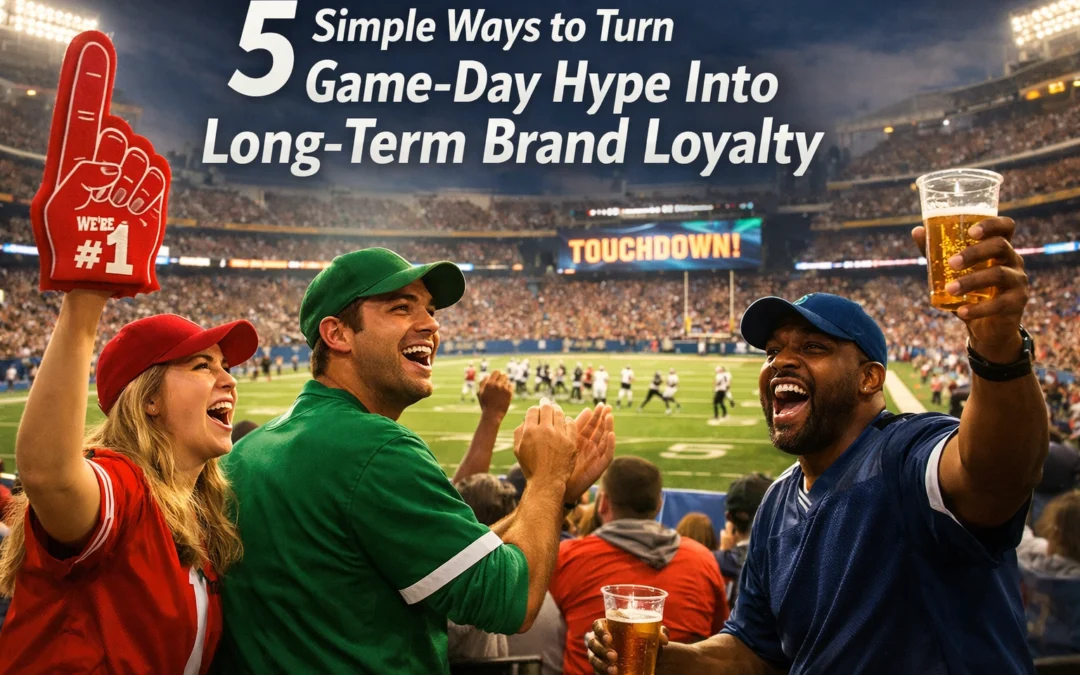
The atmosphere within a sports stadium is unlike any other marketing environment. When thousands of fans gather to support a team, the collective emotional state is heightened, creating a unique opportunity for brand integration. For creative directors and CMOs, the challenge is not just capturing attention during the game, but converting that fleeting excitement into a lasting relationship. Stadium perimeter advertising, particularly when powered by digital out of home (DOOH) technology, provides the bridge between a high energy moment and long term brand loyalty.
By leveraging the psychological state of a sports fan, brands can move beyond simple impressions. Successful campaigns focus on strategies that integrate seamlessly into the fan experience, making the brand a participant in the event rather than an interruption.
1. Implement Gamified Loyalty Programs
Engagement during a sporting event is naturally competitive. Brands can capitalize on this by introducing gamified elements through stadium perimeter screens. This strategy involves transforming traditional advertising into an interactive experience that rewards fans for their participation.
Rewarding fans with points, digital badges, or positions on a leaderboard fosters a sense of achievement. When a brand facilitates this competition, it becomes associated with the positive emotions of the game. Digital screens can display live leaderboards or prompts that encourage fans to take specific actions, such as checking into a location or sharing a brand related photo on social media.
This approach strengthens the emotional connection by making the brand a part of the game day ritual. Gamification encourages repeat interactions, ensuring that the brand remains top of mind well after the stadium lights have dimmed.

2. Deploy Personalized Communications via DOOH
Personalization is no longer optional in high stakes advertising. Research indicates that approximately 76 percent of consumers are more likely to consider a purchase when they receive personalized communications. In a stadium setting, programmatic DOOH allows for this level of precision.
Instead of a static message, digital perimeter ads can change based on the specific context of the game. For example, messaging can be tailored to highlight family friendly amenities for those in specific sections or offer premium experiences to long term season ticket holders. By segmenting the audience and delivering content that aligns with their specific interests, brands demonstrate a deeper understanding of the consumer.
OOH Sports utilizes advanced targeting to ensure that the right message reaches the right fan at the right time. This level of relevance is critical for building the trust that leads to long term loyalty. Brands that move away from a one size fits all approach and toward a fan centric model often see significant improvements in brand sentiment. Detailed insights on this strategy can be found in the analysis of fan-centric vs brand-centric sports campaigns.
3. Create Exclusive, Time-Sensitive Offers
The urgency of a live game creates a perfect environment for exclusive offers. By tying promotions directly to game day events, brands can drive immediate action that transitions into long term habits. These offers provide a tangible reason for fans to interact with a brand immediately.
Stadium perimeter advertising can feature QR codes or short links that lead to exclusive landing pages. These pages can offer limited time discounts, early access to new products, or entry into high value giveaways. For instance, a beverage brand might offer a discount that is only valid for the hour following a home team victory.
This strategy serves two purposes. First, it drives immediate conversion. Second, it provides a gateway for fans to enter a brand's ecosystem, such as an email list or a mobile app. Once the fan has opted in, the brand can continue the conversation long after game day. Successful executions of this method have been seen in campaigns like the White Claw programmatic DOOH launch, which demonstrated how targeted messaging drives purchase consideration.

4. Leverage Real-Time Social Media Integration
Modern sports fans are multi-screen consumers. They are often watching the live action while simultaneously engaging with social media on their mobile devices. Brands can bridge the gap between the physical stadium and the digital world by integrating real time social content into their perimeter advertising.
By displaying user generated content, trending hashtags, or live reaction polls on stadium screens, brands invite fans to be part of the narrative. This creates a feedback loop where the fan sees their own engagement reflected on a massive scale within the stadium. This visibility is a powerful tool for building brand affinity.
Real time integration also allows brands to react to game developments as they happen. If a specific player makes a historic play, a brand can immediately update its creative to acknowledge the moment. This speed and relevance ensure that the brand is perceived as an authentic fan of the sport, rather than just a corporate sponsor. This evolution of the medium is why many are questioning if traditional stadium sponsorships are being replaced by digital innovation.

5. Utilize Cross-Channel Retargeting
The impact of stadium perimeter advertising should not end when the fans leave their seats. One of the most effective ways to build long term loyalty is through strategic retargeting. By using anonymized device IDs exposed to the stadium advertising, brands can follow up with fans on their mobile devices or home computers.
This cross channel approach ensures that the brand remains a constant presence. For example, a fan who saw a brand's message during the first quarter might receive a personalized follow up offer the next morning. This reinforces the initial impression and moves the consumer further down the sales funnel.
Strategic bundling also plays a role here. Brands can bundle game day essentials with loyalty rewards, encouraging fans to choose their products for every future game. This consistent reinforcement of value is what transforms a one time viewer into a loyal advocate.
Strategy and Execution Logistics
Executing these five strategies requires a sophisticated technical infrastructure. The transition from traditional signage to programmatic DOOH involves several key steps:
- Audience Identification: Identifying the demographic makeup of the stadium crowd to tailor the creative approach.
- Creative Optimization: Developing dynamic assets that can change in real time based on game triggers or audience data.
- Platform Integration: Utilizing demand side platforms (DSPs) to manage and deploy ads across thousands of digital screens simultaneously.
- Measurement and Attribution: Using advanced analytics to track the lift in brand awareness and purchase intent.

Measurement and Results
The success of these strategies is measured through quantifiable data. Brands often see significant lifts in purchase consideration and brand image when using interactive and targeted stadium advertising. For example, programmatic DOOH campaigns have been shown to drive substantial increases in positive brand perception by reaching consumers in high emotion environments.
By focusing on engagement metrics such as QR code scans, social media mentions, and post game conversion rates, CMOs can justify their media spend with clear ROI. The ability to track a consumer from the stadium seat to the point of purchase is a game changer for sports marketing.
For those interested in exploring the full scope of modern stadium advertising, the OOH Sports homepage provides a comprehensive overview of the available technologies and network capabilities.
Conclusion
Building brand loyalty in the sports world requires a move away from passive advertising and toward active participation. By implementing gamification, personalizing communication, offering exclusive value, integrating social media, and utilizing retargeting, brands can turn game day hype into a lasting relationship. Stadium perimeter advertising is no longer just about visibility, it is about creating a meaningful connection at the moment when fans are most engaged. Through the strategic use of DOOH, brands can ensure that their message resonates long after the final whistle.