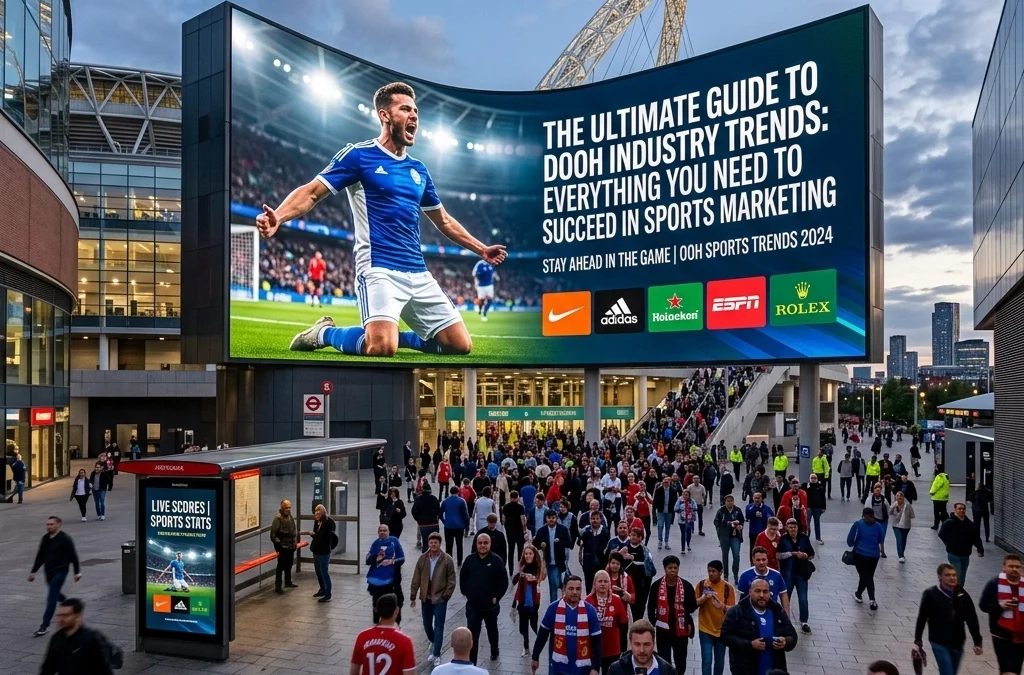
The landscape of sports marketing is undergoing a fundamental transformation. As traditional advertising methods face increasing fragmentation, digital out-of-home (DOOH) advertising has emerged as a dominant force. Recent industry projections indicate that DOOH sports advertising is on a trajectory to reach 50 billion dollars by 2030. This growth is driven by technological advancements, shifting consumer behaviors, and a demand for more measurable, high impact marketing solutions. For brands looking to capture the attention of fans, understanding these trends is no longer optional. It is a requirement for survival in a competitive market.
The Rapid Expansion of the DOOH Market
Digital out-of-home advertising is no longer a secondary consideration in media planning. It has become a mature, data-driven channel that offers the scale of traditional outdoor ads with the precision of digital marketing. By 2028, DOOH is expected to account for 45.2 percent of total out-of-home ad spending. This shift is particularly evident in the sports sector, where the ability to reach large, engaged crowds during time-bound cultural moments is invaluable.
The surge in adoption is fueled by the move toward programmatic buying. Automated purchasing allows brands to launch campaigns with unprecedented speed. Rather than committing to static billboards months in advance, marketers can now adjust variables such as frequency, time slots, and specific locations in real time. This level of flexibility is essential for sports marketing, where the relevance of a message can change based on the outcome of a game or even the weather on game day.
Programmatic DOOH as the New Standard
Programmatic DOOH is redefining how budgets are allocated. Data shows that 67 percent of media planners are shifting their budgets toward programmatic OOH by 2026. The primary driver for this transition is the ability to integrate DOOH into broader omnichannel strategies. Platforms like the StackAdapt DSP are instrumental in driving this adoption, allowing for a seamless connection between mobile, social media, and outdoor screens.
For sports marketers, programmatic execution means the difference between a generic brand message and a highly targeted strike. A campaign can be set to activate only when a specific team wins, or when foot traffic near a stadium reaches a certain threshold. This efficiency ensures that every dollar spent is directed toward the most impactful moments. To understand the practical application of these platforms, one can explore how StackAdapt is driving programmatic DOOH adoption in modern omnichannel campaigns.
Real-Time Triggers and Contextual Marketing
The most effective sports marketing campaigns today utilize real-time contextual signals. These signals include time of day, local weather conditions, movement patterns, and live game scores. This approach transforms a passive screen into a dynamic information hub.
In the realm of sports betting, for example, the ability to update odds in real time on digital screens near stadiums or in sports bars is a game changer. Campaigns that utilize live data feeds can convert fans in under 24 hours by presenting relevant, timely offers. This strategy is discussed in detail in the guide on launching real-time sports betting DOOH campaigns.
Contextual relevance also extends to consumer goods. Brands like White Claw have successfully used programmatic DOOH to drive a 74 percent lift in purchase consideration by aligning their messaging with specific environmental triggers. The data proves that when a message feels relevant to the fan's immediate experience, the likelihood of engagement increases significantly.
The Shift from Stadium Sponsorships to Perimeter Targeting
For decades, the gold standard of sports marketing was the multi-million dollar stadium sponsorship. However, a significant shift is occurring as brands realize the high ROI potential of perimeter targeting. Traditional stadium sponsorships often come with high entry costs and limited flexibility. In contrast, leveraging a network of digital screens surrounding the venue allows brands to reach the same audience for a fraction of the price.
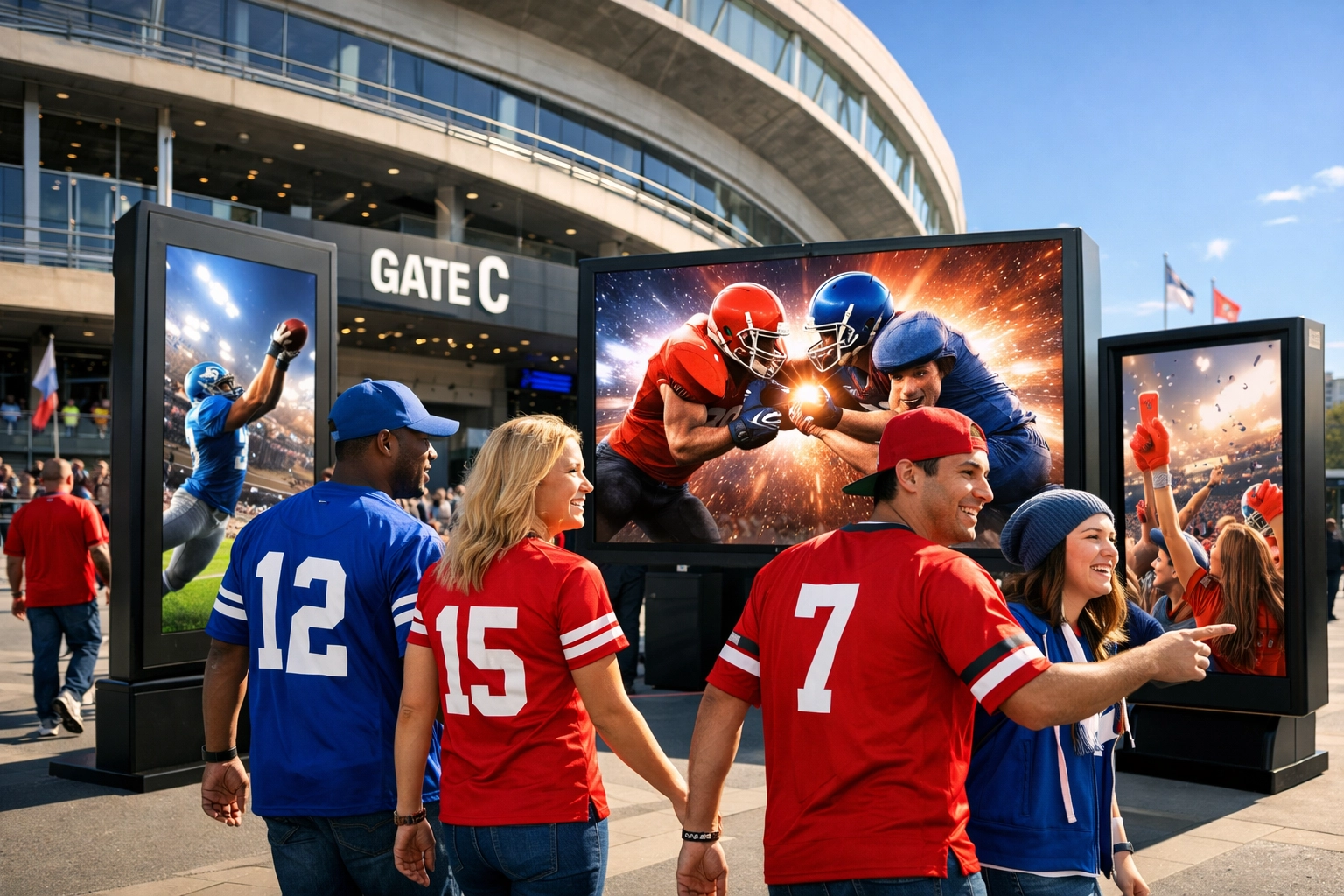
Strategic brands are now scaling their presence using perimeter DOOH for 80 percent less than the cost of official sponsorships. This method involves placing ads on screens at stadium gates, transit hubs, and popular sports bars where fans gather before and after the event. By capturing the fan journey rather than just the time spent inside the arena, brands can maintain a consistent presence throughout the entire game day experience.
Immersive Creative and the Digital Bridge
As the visual environment becomes more crowded, immersive formats like Augmented Reality (AR) and 3D DOOH are becoming essential for capturing attention. AR focused OOH campaigns have been shown to drive engagement spikes of up to 300 percent. These formats are particularly effective in high competition urban environments where traditional static ads might be ignored.
The goal of modern DOOH creative is to build a "digital bridge." This is achieved by including clear calls to action, such as QR codes or unique URLs, that move the viewer from a passive state to active digital engagement. This strategy was effectively utilized by Sea-Doo, whose first digital OOH campaign increased purchase consideration by 144 percent. By providing a direct path to a digital experience, brands can capture valuable first-party data and continue the conversation long after the fan has left the vicinity of the screen.
AI-Powered Analytics and Measurement
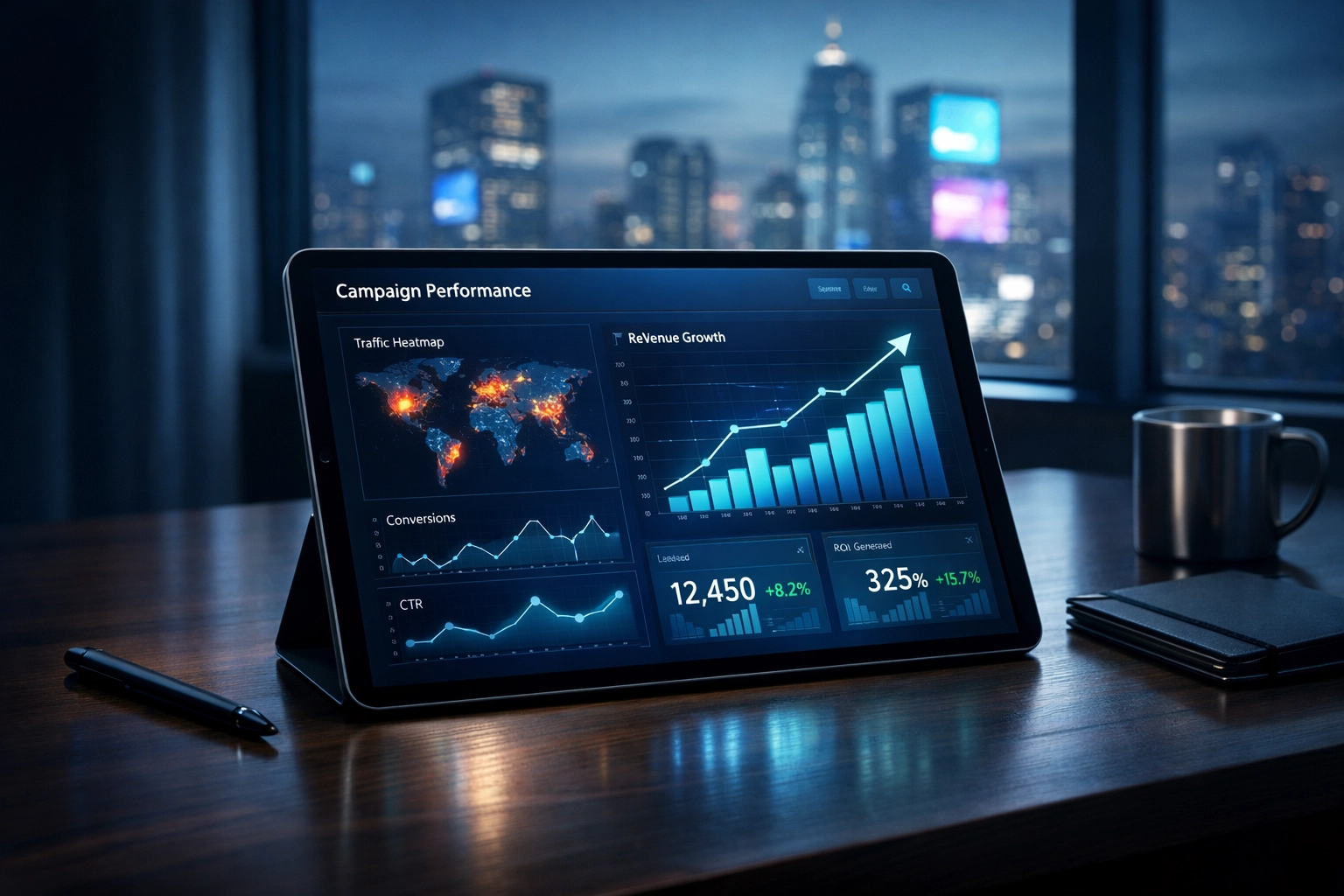
One of the historical challenges of out-of-home advertising was the difficulty of measurement. In 2026, this is no longer the case. AI-powered analytics now provide precise data on campaign performance, moving beyond simple impressions to measure actual brand lift and foot traffic attribution.
Marketers can now track device IDs exposed to a screen and determine if those individuals later visited a retail location or a website. This level of transparency is vital for proving ROI. Advanced analytics help fix common mistakes in sports DOOH measurement, ensuring that campaign optimizations are based on facts rather than guesswork. Brands that embrace these tools can see massive improvements in positive brand image, as demonstrated by AB InBev’s Mike’s Hard Iced Tea, which saw a 119 percent lift through a programmatic DOOH campaign.
Geographically Targeted Strategies for Fan Engagement
Geography is the cornerstone of OOH. In sports marketing, this means targeting the specific locations where fans live, work, and celebrate. Geographically targeted DOOH strategies have boosted fan engagement by 90 percent in recent years by focusing on the local nuances of a fan base.
Choosing the right placement is critical. For instance, should a brand focus on stadium gates or the sports bars where the "overflow" crowd gathers? The answer often depends on the specific campaign goals, but data indicates that sports bars can deliver superior ROI for certain lifestyle and beverage brands. By analyzing movement patterns and fan density, marketers can deploy their creative where it will have the highest impact.
Future-Proofing the Marketing Strategy
The transition toward a digital-first OOH strategy is not a passing trend. It is a fundamental shift in the media landscape. As the industry moves toward $58 billion in programmatic DOOH sports campaigns by 2030, the brands that invest in these technologies now will be the ones that dominate the market.
To succeed, marketing professionals must focus on three core areas:
- Automation: Utilizing programmatic platforms to ensure speed and efficiency.
- Relevance: Using real-time data to create messages that resonate with the fan's current context.
- Accountability: Implementing AI-powered measurement to prove the impact of every dollar spent.
By moving away from the "guesswork" of traditional media and adopting a data-centric approach, sports marketers can achieve levels of engagement and ROI that were previously impossible. The tools are available, the data is clear, and the opportunity to capture a significant share of the growing DOOH market is now.