
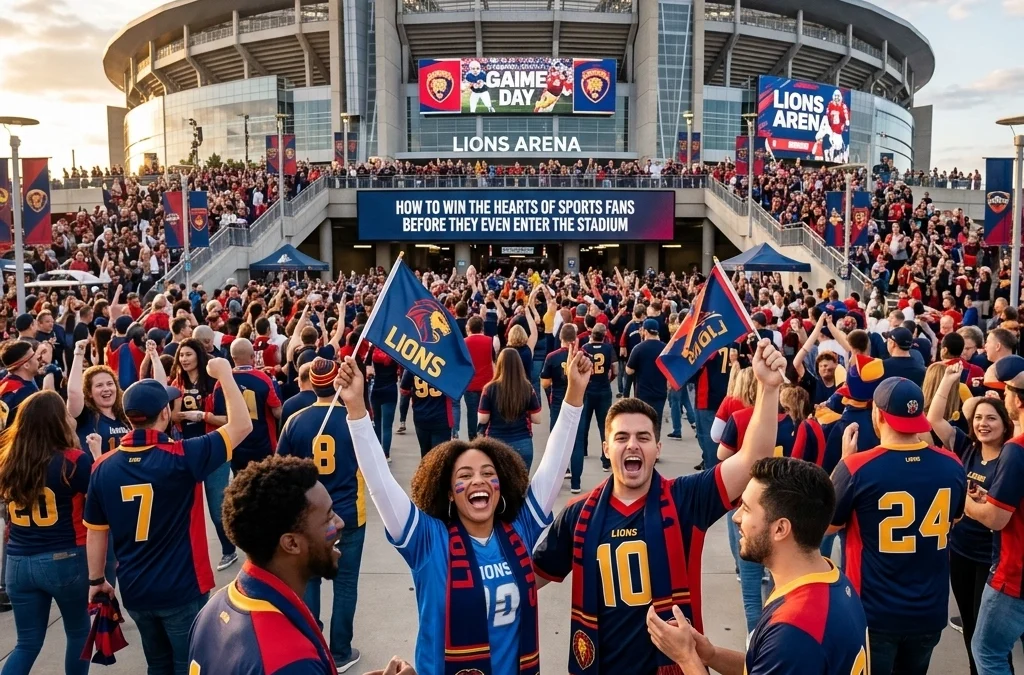
The roar of the crowd, the smell of fresh grass, and the collective gasp when a player makes a break for the goal are the moments that define the sports experience. However, for a brand, the game does not start at the whistle. It starts the moment a fan leaves their house, boards a train, or pulls into the parking lot. Winning the hearts and minds of sports fans requires a strategy that captures their attention long before they find their seats.
In the world of modern advertising, the stadium perimeter has become the new front line for fan engagement. While traditional stadium sponsorships are often locked behind multimillion dollar contracts and multi-year commitments, a new era of digital out of home (DOOH) advertising is allowing brands to reach audiences with precision and agility.

The Psychology of the Pre-Game Experience
Fans arriving at a stadium are in a unique psychological state. They are excited, receptive, and often looking for ways to enhance their game-day experience. This period, often called the "arrival window," is a golden opportunity for creative directors and CMOs to build a lasting brand connection.
Research into fan behavior shows that the arrival experience can transform a logistical process into a memorable moment. When fans encounter large-scale visuals or interactive elements in the plazas and transit hubs surrounding the venue, it sets the tone for the day. These moments serve as emotional anchors. They turn a simple walk from the car to the gate into a ceremonial entrance.
Strategic design of these physical spaces is essential. Whether it is through digital screens that display real-time team stats or interactive kiosks that offer exclusive digital content, the goal is to make the fan feel like the event has already begun.
Dominating the Stadium Perimeter
Traditional advertising inside the stadium is often cluttered. A fan is bombarded with logos on jerseys, digital ribbons, and massive scoreboards. Outside the stadium, however, the environment is different. The perimeter offers a high-impact, low-clutter space where brands can truly stand out.
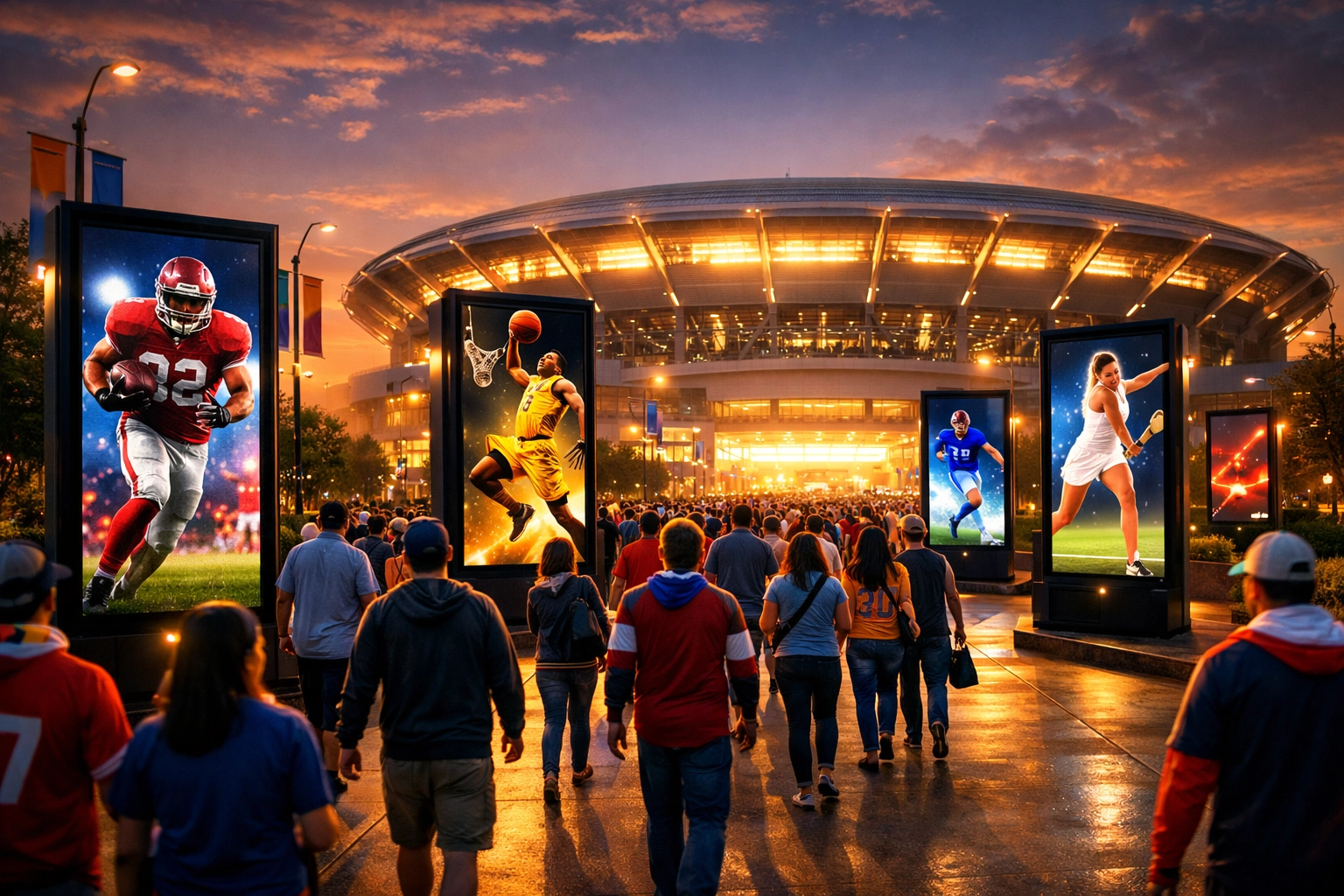
OOH Sports focuses on this "last mile" of the fan journey. By using digital screens strategically placed along transit routes, parking entrances, and pedestrian walkways, brands can create a narrative that follows the fan to the gate. This approach is not just about visibility, it is about relevance.
For instance, many brands are finding that geographically targeted DOOH strategies boost fan engagement by reaching fans exactly where they are. Instead of a generic message, a brand can deliver a local or event-specific call to action that resonates with the immediate surroundings.
Reducing Friction Through Digital Integration
One of the biggest hurdles to a positive fan experience is friction. Long lines, confusing gate locations, and parking issues can dampen the pre-game excitement. Smart brands use DOOH to act as a utility rather than just a billboard.
Digital signage can provide essential information such as wayfinding, gate wait times, or mobile ticketing reminders. When a brand provides value by making the fan's life easier, the fan develops a positive association with that brand. This "utility marketing" approach is a subtle but powerful way to build brand equity.
By integrating real-time data, brands can also update messaging based on the current situation at the venue. If a specific entrance is congested, a digital screen can redirect fans to a less crowded gate while showcasing a brand message. This creates a seamless transition from the outside world into the stadium environment.
The Power of Programmatic DOOH
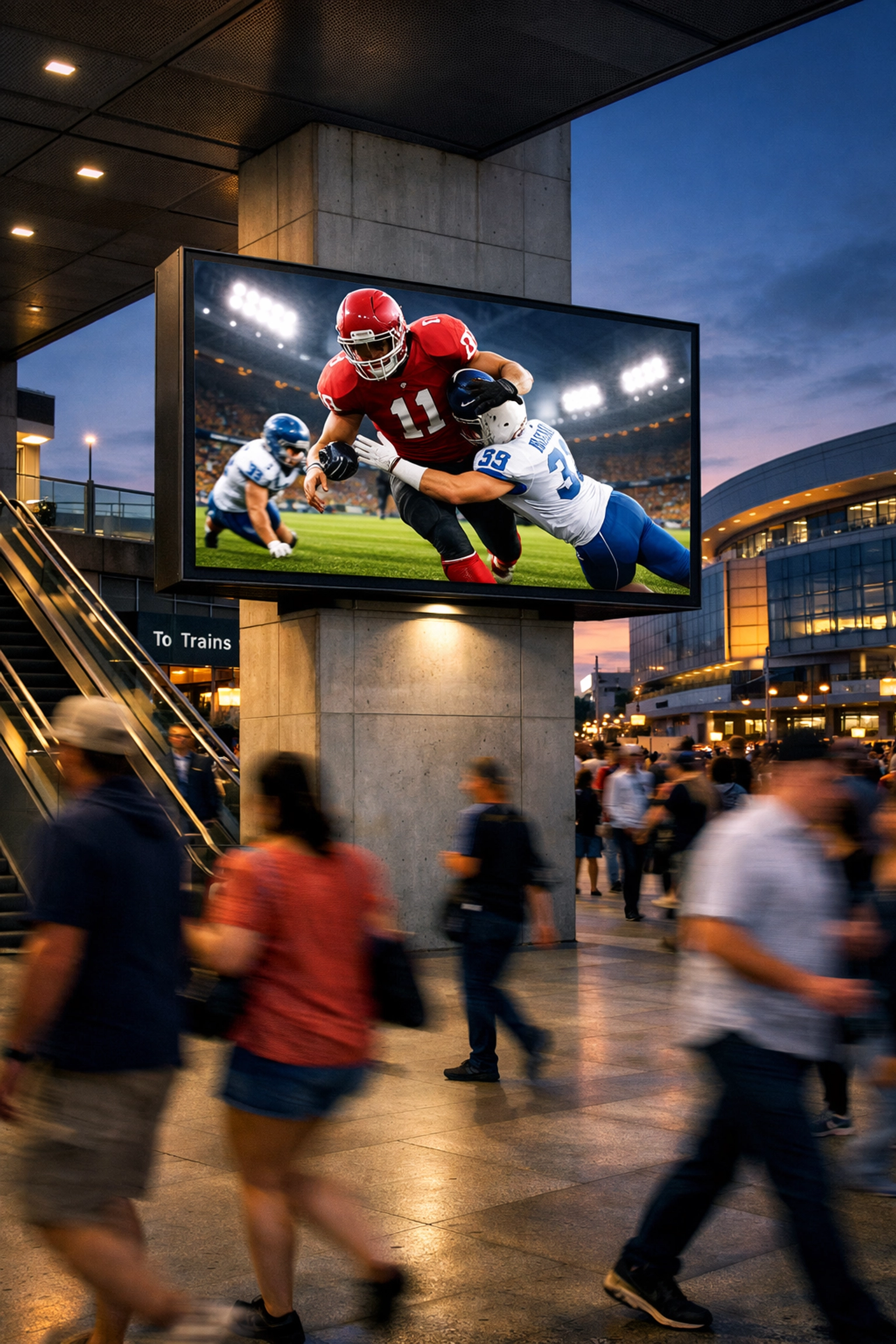
The shift from traditional static billboards to programmatic DOOH has changed the game for sports marketers. Programmatic technology allows for flexibility that was previously impossible. Brands can now launch campaigns in real-time, adjusting their creative based on the weather, the score of the game, or even the time of day.
This level of control is particularly useful for industries like sports betting. The ability to launch real-time sports betting campaigns that convert quickly is a massive advantage. When the odds shift or a star player is announced in the starting lineup, the advertising can reflect those changes instantly.
Furthermore, programmatic DOOH is significantly more cost-effective than traditional sponsorships. Many smart brands are moving away from $2 million stadium deals and instead choosing to scale with perimeter DOOH for 80 percent less. This allows for a wider reach across multiple venues and markets without the heavy financial burden of a single-stadium exclusivity deal.
Quantifying the Impact
For CMOs and Creative Directors, the ultimate measure of success is the return on investment. The data surrounding stadium perimeter advertising is compelling. Because DOOH platforms can now track device IDs and exposure, brands can see exactly how their campaign influenced consumer behavior.
For example, campaigns for major beverage brands have seen significant success using this method. In one instance, a programmatic DOOH campaign drove a 74 percent lift in purchase consideration for a new product launch. Another brand saw a 119 percent lift in positive brand image by targeting fans during high-energy sports events.
These results prove that the perimeter is not just a place for "awareness" but a place for "action." Even for brands that are not official sponsors, the perimeter offers a way to "hijack" the excitement of the event. A famous example of this is how Nike managed to dominate the conversation at a major marathon without being an official sponsor, simply by owning the outdoor spaces where fans and athletes gathered.
Strategy: Fan-Centric vs. Brand-Centric
To truly win the heart of a sports fan, the creative must be fan-centric. A brand-centric approach focuses on the product features and the company logo. A fan-centric approach focuses on the fan's passion, their loyalty to the team, and their experience at the game.
When a brand aligns its message with the fan's emotional state, the engagement rates soar. This might mean using team colors, referencing local rivalries, or celebrating iconic team moments. By speaking the language of the fan, the brand stops being an intruder and starts being a fellow supporter.
Deciding between these two paths is crucial for budget allocation. Generally, fan-centric campaigns deliver better ROI for DOOH budgets because they cut through the noise and create a genuine connection.
The Future of the Perimeter
The sports advertising landscape is evolving rapidly. With projections suggesting that DOOH sports advertising will hit $50 billion by 2030, the competition for fan attention will only increase. Brands that adopt a perimeter-first strategy today will be the ones that lead the market tomorrow.
The key to success is staying ahead of the technology. This means moving beyond static images and embracing dynamic, data-driven creative. It means using AI-powered analytics to prove campaign success and optimizing campaigns mid-flight to ensure every dollar is working as hard as possible.
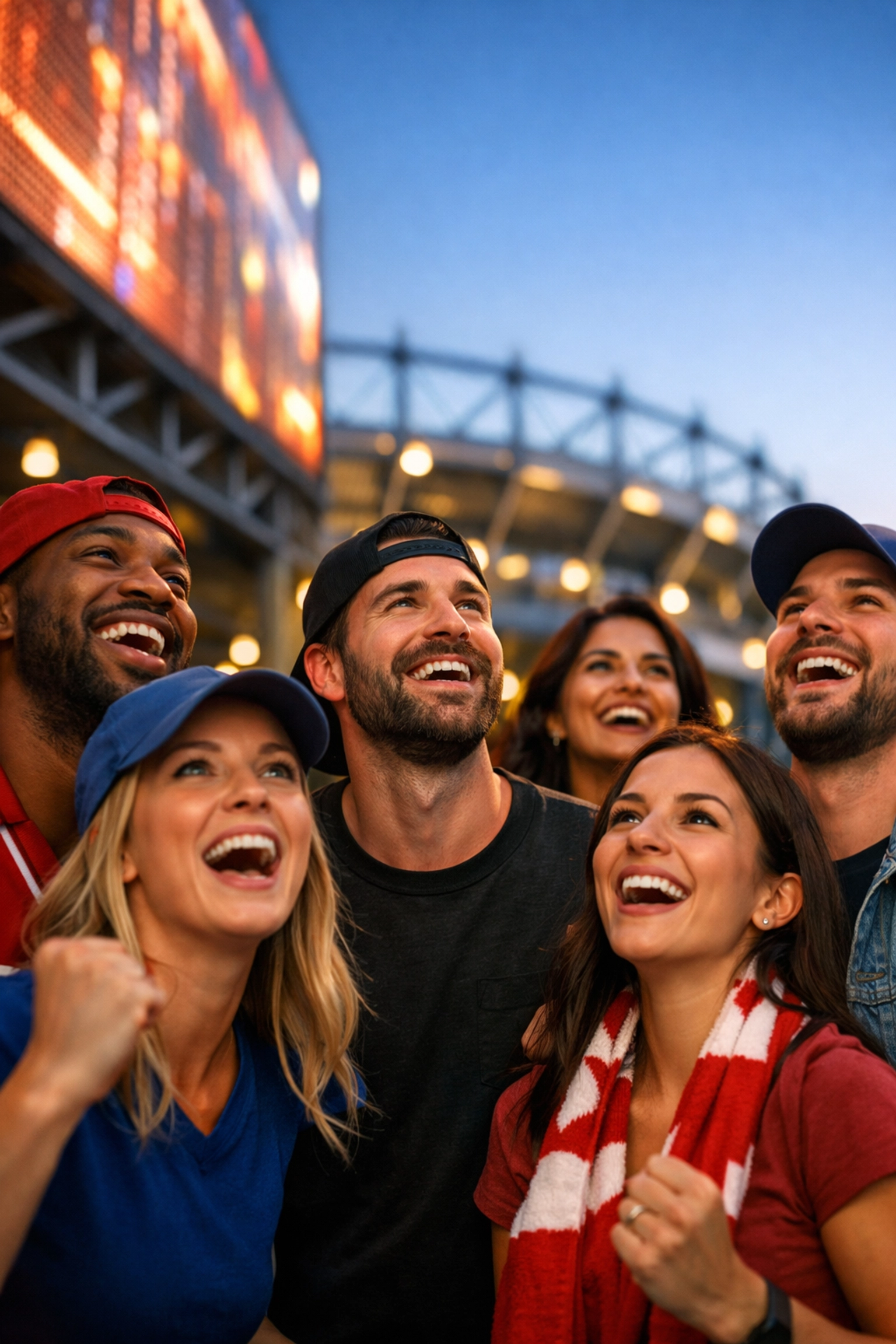
Winning the hearts of fans before they enter the stadium is about understanding the journey. It is about being there at the first sight of the stadium lights, the first step off the train, and the first sip of a pre-game drink. By dominating the perimeter with OOH Sports, brands can turn every game day into a win for their bottom line.
Key Takeaways for CMOs
For those looking to refine their sports marketing strategy, these steps are essential:
- Identify the high-traffic transit and parking zones surrounding major venues.
- Use programmatic DOOH to allow for real-time messaging and flexible budgets.
- Focus on fan-centric creative that provides utility or enhances the emotional experience.
- Measure success through purchase consideration and brand lift studies rather than just impressions.
- Avoid the high costs and lack of flexibility associated with traditional indoor sponsorships by focusing on the perimeter.
The game is changing. The stadium is no longer just a building, it is the center of a much larger ecosystem. By capturing the fan's attention on the way in, a brand ensures it is the first thing they think of when the cheering starts.