
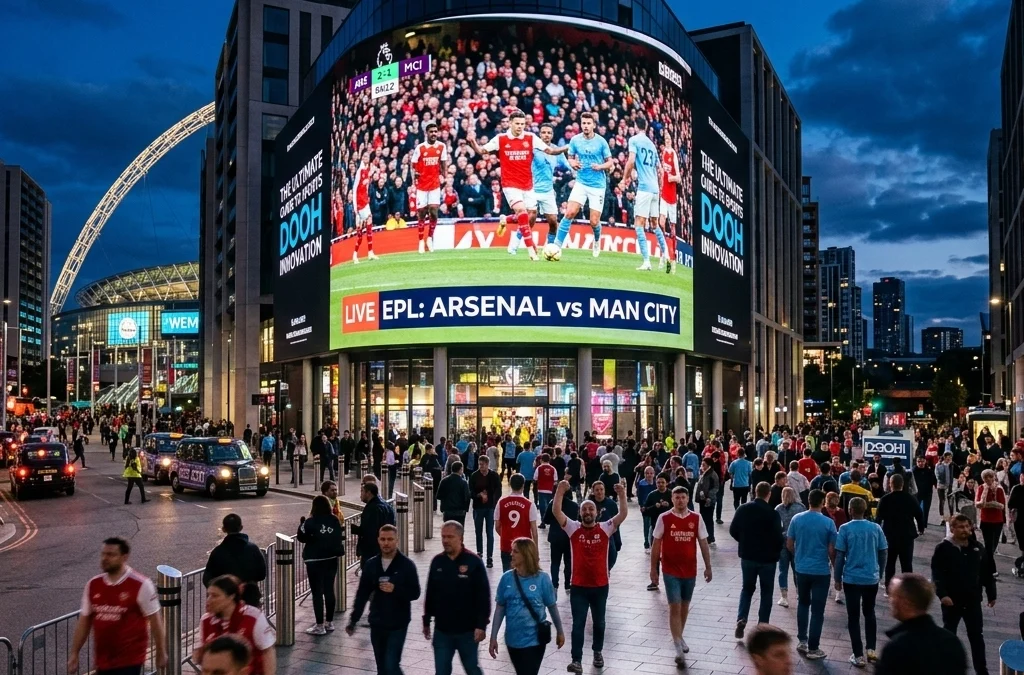
The landscape of sports marketing is undergoing a significant transformation. As traditional advertising channels face increasing fragmentation, Digital Out-of-Home (DOOH) has emerged as a primary vehicle for brands to connect with highly engaged sports fans. This guide explores the innovations driving this sector and provides a framework for media planners to execute high impact campaigns.
The Evolution of Sports Advertising
Historically, sports marketing relied heavily on static stadium signage and television commercials. While these methods provided broad reach, they lacked the flexibility to adapt to the fast paced nature of live sports. The introduction of digital screens and programmatic technology has changed this dynamic.
Today, DOOH accounts for a substantial portion of total out-of-home advertising revenue. This growth is driven by the ability to deliver relevant, real-time content to fans exactly where they are, whether that is in a transit hub, a sports bar, or near the stadium gates. The ability to shift messaging based on game conditions or fan sentiment has turned DOOH from a passive medium into an active participant in the fan experience.

Dynamic Creative Optimization (DCO)
One of the most significant innovations in the industry is Dynamic Creative Optimization. This technology allows advertisements to update automatically based on external data triggers. Instead of a single static image, a campaign can feature hundreds of variations that respond to the environment in real time.
Key triggers for sports DCO include:
- Live scores and game progression.
- Weather changes at the venue location.
- Player statistics and milestone achievements.
- Social media trends and fan sentiment.
- Traffic and footfall patterns around the stadium.
For example, a beverage brand can program ads to display refreshing drinks when temperatures exceed 80 degrees, or transition to celebratory messaging the moment a home team secures a victory. This level of relevance ensures that the creative content feels like a natural part of the game day narrative rather than an interruption. For more on how programmatic triggers drive results, consider how White Claw achieved a 74 percent lift in purchase consideration through strategic digital placements.
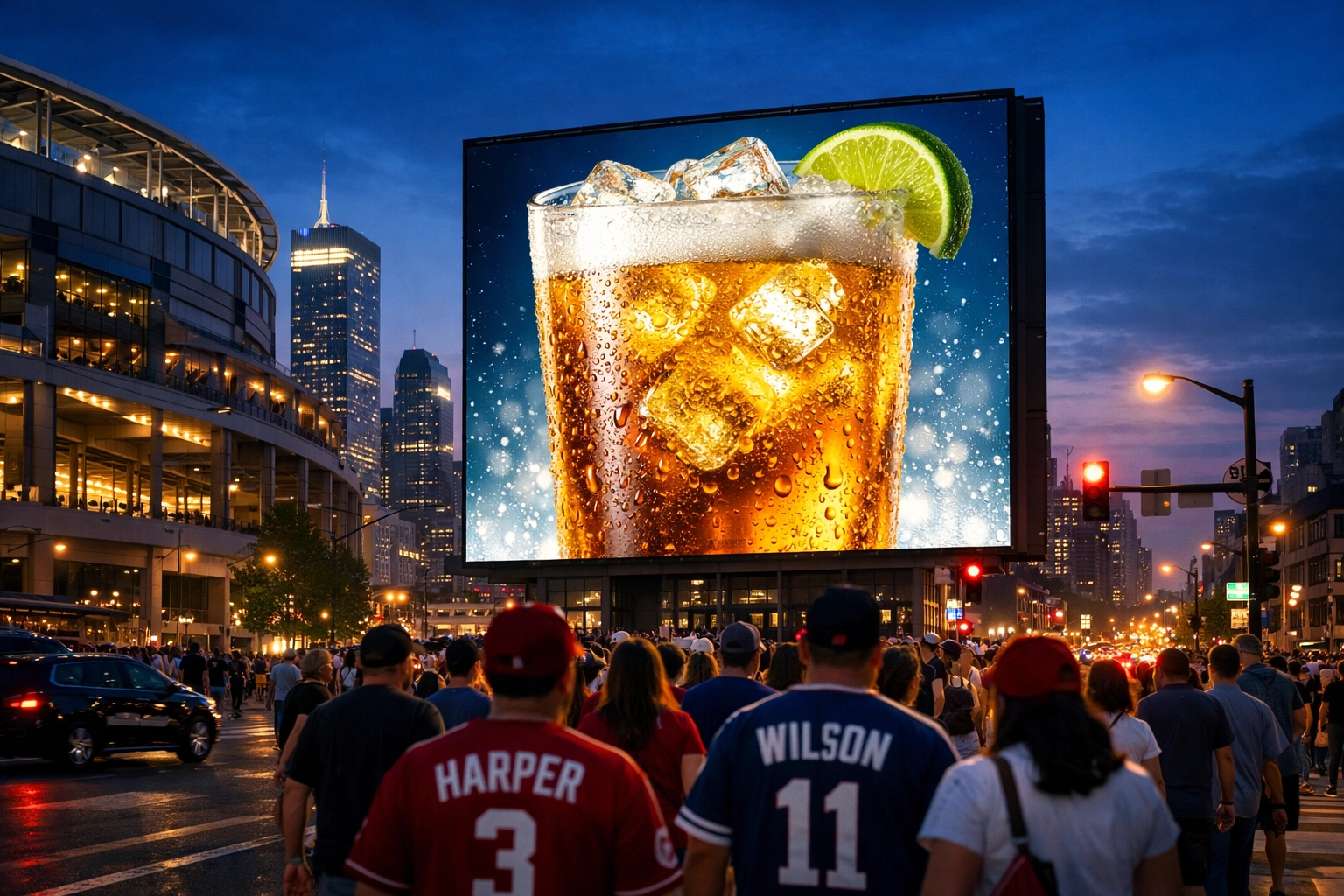
The Three Phase Fan Journey Framework
Successful sports DOOH campaigns are structured around the specific behaviors of fans before, during, and after an event. Media planners must understand the chronology of the game to maximize engagement.
1. The Pre-Game Phase (Anticipation)
This phase begins approximately 48 hours before the event. Fans are in planning mode, looking for schedules, checking betting odds, and organizing transportation. Advertisements during this window should focus on utility and anticipation. Screens in transit hubs, airports, and city centers are ideal for establishing brand presence. Content can include countdown clocks or broadcast reminders to capture the attention of fans as they prepare for the game.
2. The During-Game Phase (Peak Engagement)
When the game begins, the focus shifts to the immediate environment of the fans. For those at the venue, stadium perimeter screens and nearby digital billboards offer peak context. For fans watching elsewhere, screens in sports bars and high traffic retail areas are critical. This is the time for high energy, real-time updates. The goal is to align the brand with the emotional highs of the live event.
3. The Post-Game Phase (Reaction and Reflection)
The period immediately following a game is often overlooked but provides a unique opportunity for reinforcement. Fans are either celebrating a win or processing a loss. Advertisements on highway billboards and transit panels can capitalize on this captive audience as they head home. Messaging that acknowledges the game result creates a lasting impression and builds brand affinity.
Programmatic DOOH and ROI
The shift toward programmatic buying has revolutionized how media planners approach sports budgets. Programmatic DOOH allows for automated bidding and placement, giving brands the ability to pause, start, or adjust campaigns instantly. This flexibility is essential in sports, where schedules can change and results are unpredictable.
In comparison to traditional stadium sponsorships, which often require long term contracts and high entry costs, programmatic DOOH offers a more accessible entry point with measurable outcomes. Planners can target specific audience segments based on location and behavior, ensuring that every dollar spent is directed toward the most relevant viewers. Detailed comparisons show that programmatic DOOH often delivers better ROI than fixed stadium ads due to this efficiency and targeting precision.
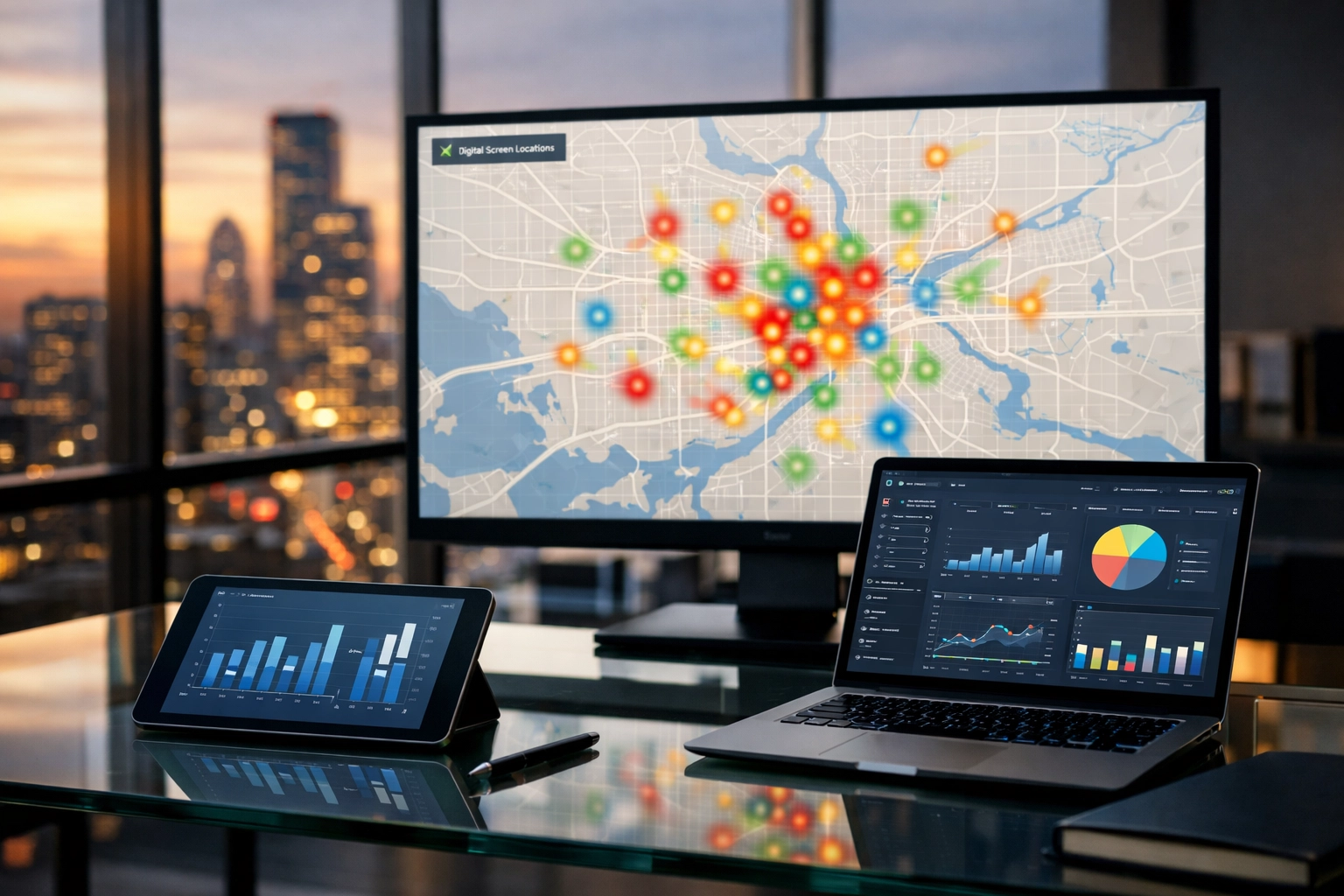
Multi Format Campaign Architecture
The most effective campaigns do not rely on a single screen type. Instead, they use a coordinated multi format approach to create a narrative progression. By synchronizing different types of inventory, a brand can maintain a consistent presence throughout the fan journey.
- Large Format Billboards: These establish brand authority and reach fans on major roadways heading toward the venue.
- Transit Advertising: Digital screens in subways and bus shelters capture the attention of fans during their commute.
- Retail and Point-of-Sale: Screens in grocery stores or sports apparel shops influence purchasing decisions in the final moments before a game.
- Stadium Perimeter: High visibility screens inside and around the venue deliver the most concentrated brand exposure during the event.
This omnichannel approach leverages the "priming effect." When a fan sees a message on their mobile device or TV and then encounters a similar message on a digital urban panel, the reinforcement significantly increases brand recall. Research indicates that 81 percent of sports fans feel more positive toward brands that sponsor or engage with their favorite sports in these environments.
Integration with Real-Time Sports Betting
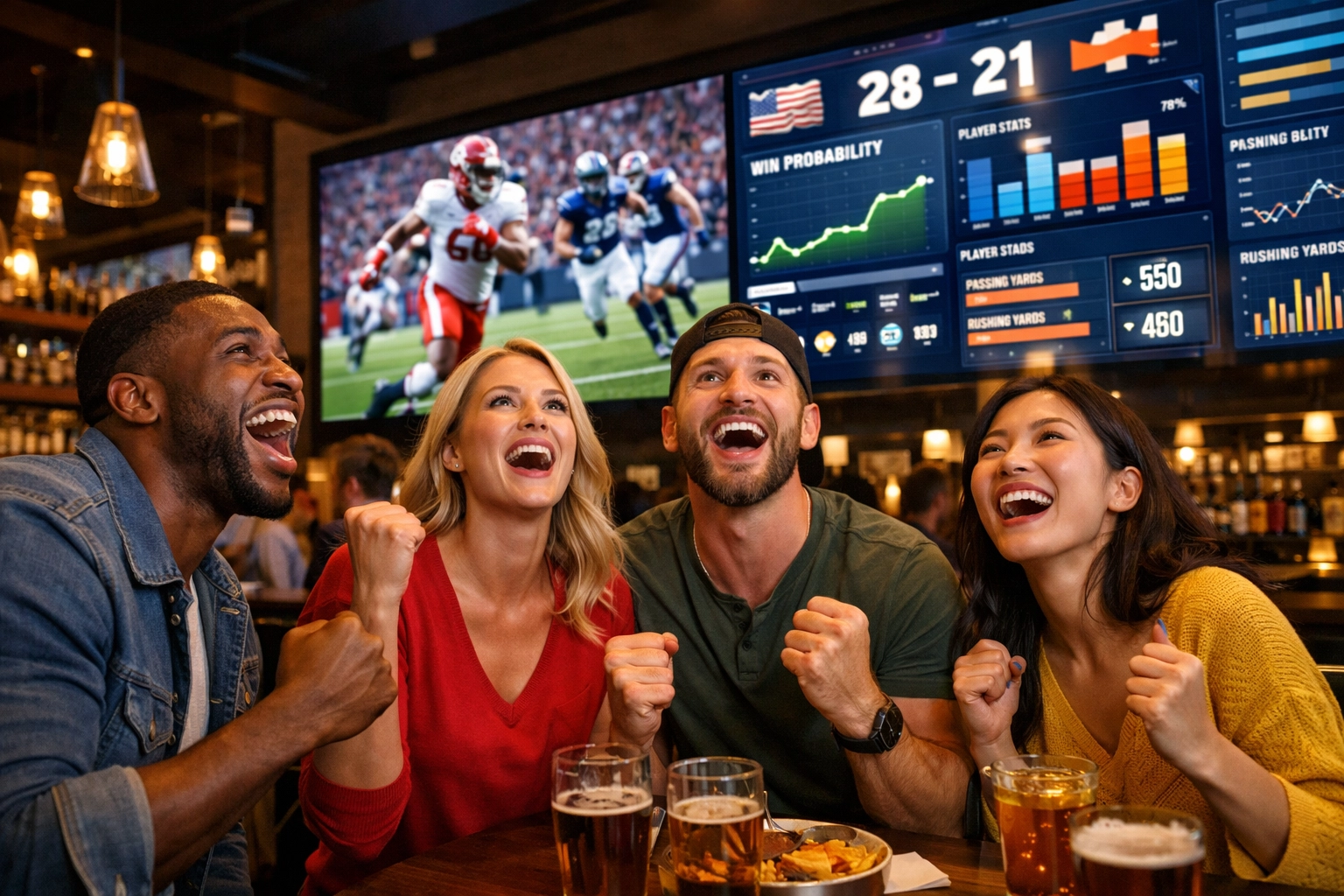
The legalization of sports betting in many regions has opened a new frontier for DOOH innovation. Betting platforms can use digital screens to provide live odds and real-time updates. This turns the advertising space into a service for the fan, providing valuable information that can drive immediate action. Using DOOH to launch real-time sports betting campaigns has proven to be an effective strategy for conversion, especially when updates are delivered in under 24 hours.
AI Powered Analytics and Measurement
Measurement has historically been a challenge for out-of-home advertising, but AI and location intelligence have provided new solutions. Media planners can now use anonymized device data to track exposure and correlate it with real world outcomes.
Advanced analytics can measure:
- Footfall Attribution: Tracking if exposed fans visited a specific retail location after seeing an ad.
- Brand Lift: Measuring changes in brand perception and purchase intent through post-exposure surveys.
- Website and App Traffic: Linking DOOH exposure to digital actions, such as app downloads or online purchases.
By using AI-powered DOOH analytics, brands can prove success and optimize their strategies mid-campaign. This data driven approach removes the guesswork from media planning and allows for a more scientific allocation of marketing budgets.
Strategic Recommendations for Media Planners
To succeed in the evolving sports DOOH market, media planners should consider the following strategies:
- Prioritize Location Intelligence: Use data to identify exactly where the target audience congregates before and after games.
- Invest in Dynamic Content: Move beyond static images. Use DCO to ensure messaging is always relevant to the current state of the game.
- Coordinate Across Screens: Ensure that DOOH efforts are part of a broader omnichannel strategy that includes mobile and social media.
- Leverage Programmatic Platforms: Use platforms like StackAdapt to gain access to premium inventory with the flexibility of digital buying.
- Focus on the Fan Experience: Create content that adds value to the fan's day, whether through score updates, helpful directions, or entertaining visuals.
The sports DOOH sector is projected to grow significantly in the coming years. With the industry expected to reach 50 billion dollars by 2030, the opportunity for brands to capture market share is substantial. By embracing innovation and focusing on data driven strategies, media buyers and brand managers can build campaigns that resonate deeply with the global community of sports fans.
Success in this space requires a balance of creative storytelling and technical precision. As technology continues to advance, the brands that can most effectively integrate their messaging into the live sports experience will be the ones that see the highest returns on their investment. For further insights on optimizing your strategy, visit oohsports.com to explore more resources and case studies.