
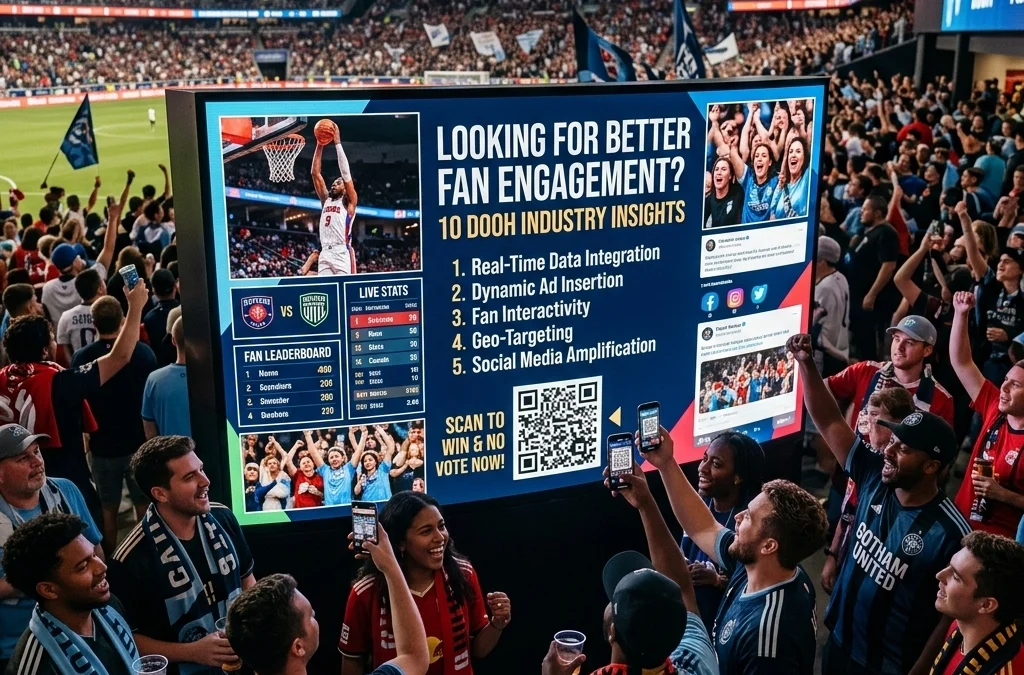
The landscape of sports marketing is undergoing a significant transformation as digital out-of-home (DOOH) advertising moves to the forefront of fan engagement strategies. As traditional media becomes increasingly fragmented, brands are seeking more impactful ways to connect with audiences in physical spaces. The integration of high-tech displays, real-time data, and programmatic buying has turned the stadium environment and its surroundings into a powerhouse for brand awareness and conversion.
Understanding these shifts is essential for any stakeholder looking to capture attention in a high-energy sports environment. Here are 10 critical DOOH industry insights that are shaping the future of fan engagement.
1. Dynamic Creative and Real-Time Integration
The ability to update content in real-time is perhaps the most significant advantage of modern DOOH. In a sports context, this means ads are no longer static images that remain unchanged for the duration of a season. Instead, creative assets can be triggered by live game data.
For example, when a home team scores a touchdown or a goal, digital displays can immediately switch to celebratory content sponsored by a brand. This level of responsiveness makes the advertisement feel like part of the event rather than an interruption. Advertisers can also use live scores, halftime countdowns, or even player statistics to keep the content fresh and relevant to the immediate experience of the fan. More details on these strategies can be found in the discussion regarding real-time sports betting DOOH campaigns.
2. The Rise of Interactive Capabilities
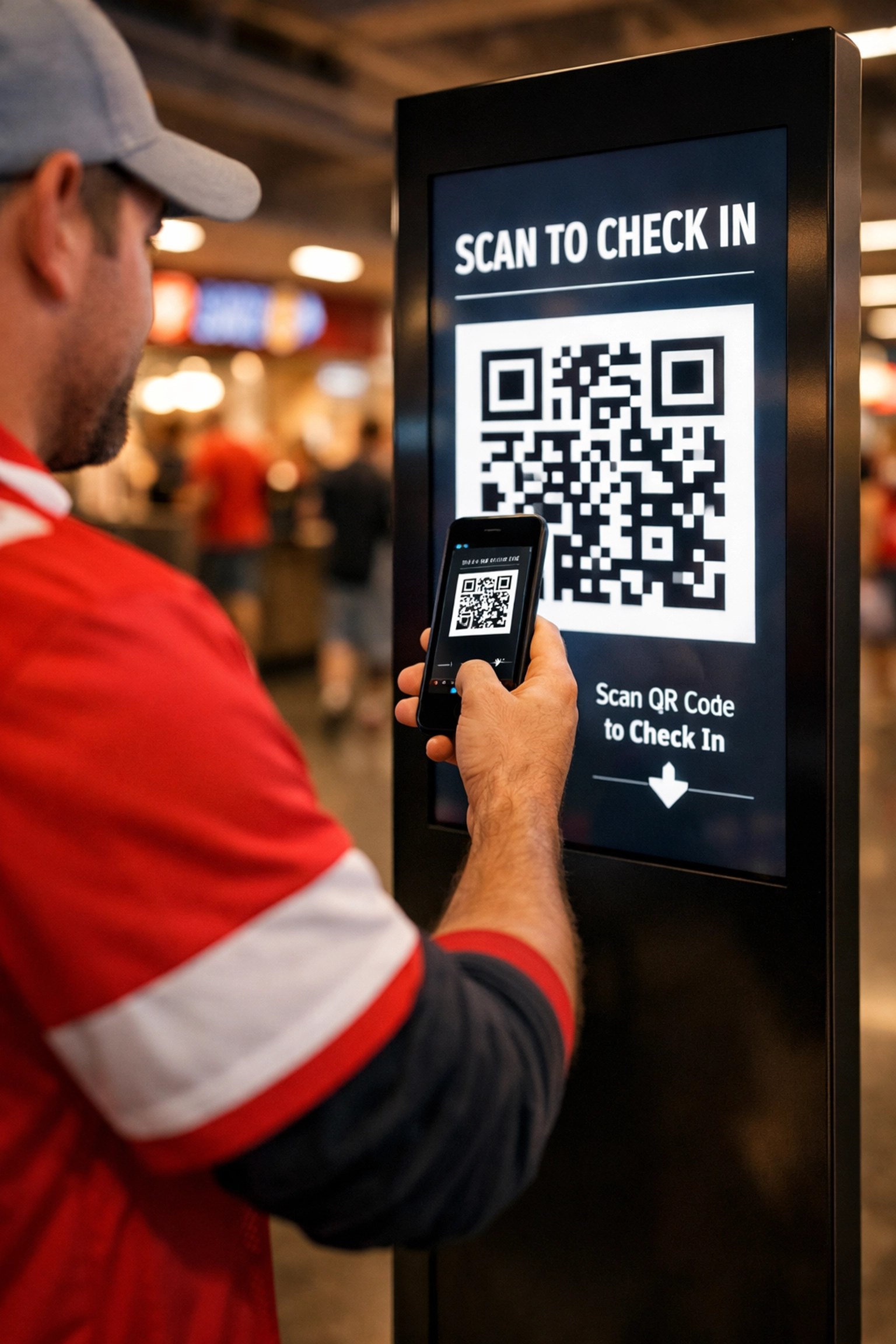
DOOH has evolved beyond the passive viewing experience associated with traditional billboards. Modern screens often incorporate interactive elements such as QR codes, touch-sensitive interfaces, or augmented reality (AR) triggers.
By encouraging fans to interact with the display, brands can bridge the gap between physical advertising and digital commerce. A fan might scan a QR code on a Sportron to receive an immediate discount on merchandise or to enter a half-time contest. This interaction provides immediate value to the consumer while allowing the brand to collect valuable first-party data.
3. TVOOH: Synchronized Multi-Screen Experiences
TV Out-of-Home (TVOOH) technology is emerging as a critical tool for omnichannel marketers. This approach combines the massive reach of outdoor formats with the immersive qualities of live television. By synchronizing DOOH activations with critical broadcast moments, such as a championship buildup or a penalty kick, brands can achieve a "surround sound" effect.
When a fan sees a brand on the stadium big screen and simultaneously on their mobile device or a nearby digital street furniture unit, the message reinforcement is incredibly high. This synchronization ensures that the brand remains top-of-mind during the highest-emotion moments of the game.
4. Consumer Favorability and Brand Perception
Research indicates that consumers view DOOH advertising more favorably than many other media forms. Industry data suggests that 73 percent of consumers hold a positive view of DOOH ads, ranking them higher in favorability than traditional television commercials or online pop-ups.
This favorability translates into measurable brand lift. For instance, campaigns like the one for Mike’s Hard Iced Tea have seen a 119 percent lift in positive brand image through programmatic DOOH. Because these ads are placed in high-interest, high-energy environments like sports arenas, they are often perceived as part of the entertainment rather than a nuisance.
5. Programmatic Precision and Scalability
The move toward programmatic DOOH (pDOOH) allows advertisers to buy inventory with the same precision as digital web ads. Instead of manual bookings that take weeks to finalize, pDOOH platforms enable brands to launch campaigns based on specific triggers such as time of day, weather conditions, or audience demographics.
This flexibility is vital for sports marketing, where momentum can shift rapidly. Brands can scale their presence up or down based on team performance or ticket sales, ensuring that their budget is spent where it will have the most impact. The shift toward these automated systems is a key driver in the prediction that the DOOH sports advertising market will hit $50 billion by 2030.
6. Contextual Relevance and Environmental Triggers
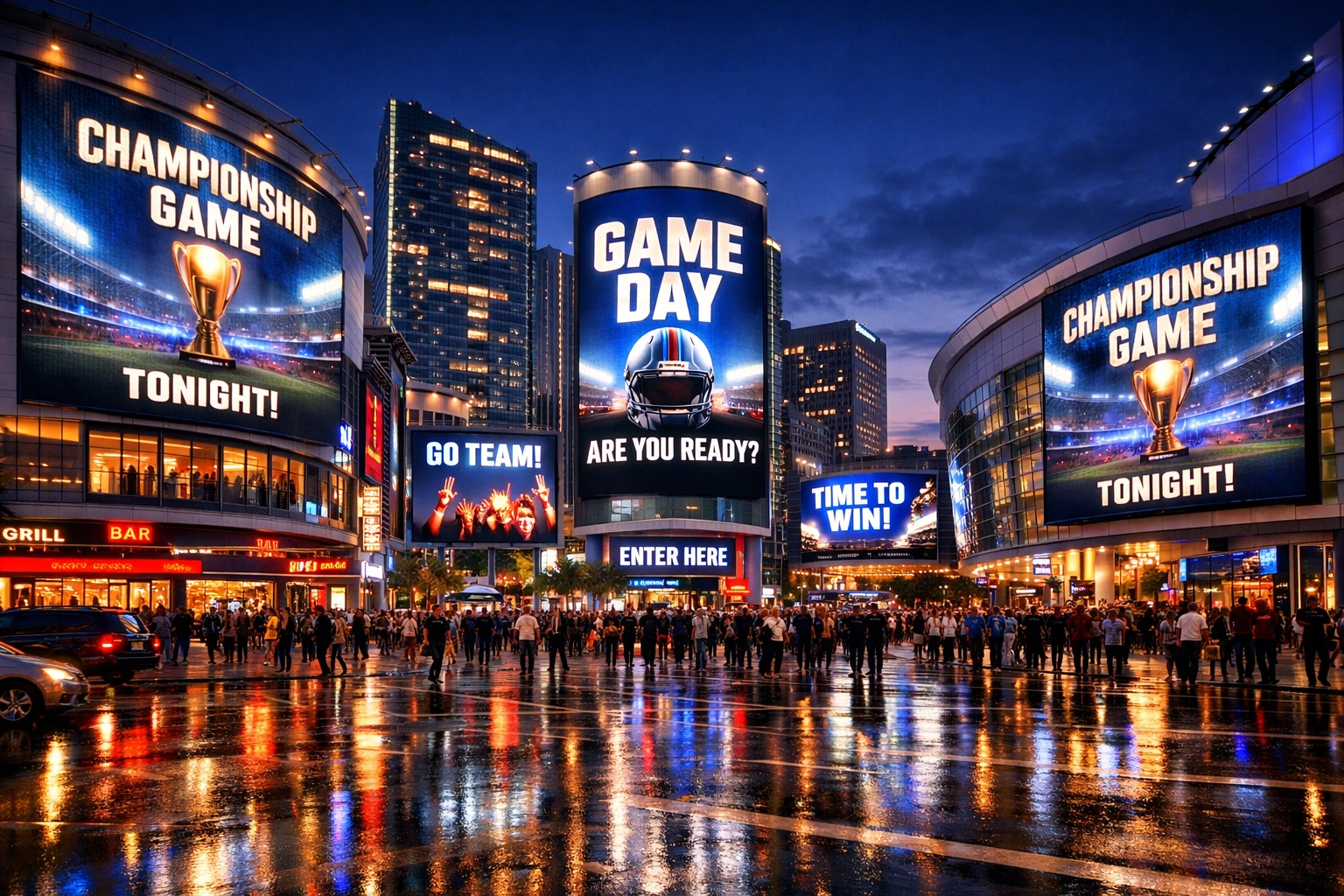
Effective DOOH is about being in the right place at the right time with the right message. Environmental triggers allow displays to change based on the surroundings. If it begins to rain during a game, a display can immediately switch from promoting cold beverages to promoting team-branded rain gear or indoor hospitality areas.
This contextual relevance makes the advertising helpful rather than just promotional. By aligning the message with the fan's immediate needs and environment, brands establish a more authentic connection. This is particularly effective in high-traffic urban centers where fans congregate before and after games.
7. Advanced Audience Measurement
One of the historical challenges of out-of-home advertising was the difficulty of measurement. Modern DOOH solves this through the use of sensors, cameras, and mobile location data. These tools allow OOH Sports to track viewership numbers, dwell times, and even the demographic makeup of the crowd in real-time.
By analyzing device IDs that have been exposed to a DOOH screen, marketers can later retarget those same individuals online or measure foot traffic into a physical retail location. This creates a clear path to attribution, proving the ROI of the spend. Case studies frequently show how this data-driven approach leads to significant increases in purchase consideration.
8. Omnichannel Synergy with Mobile and Social
DOOH does not exist in a vacuum. It is most effective when used as a catalyst for a broader omnichannel campaign. For example, a high-impact digital billboard can prompt fans to share a specific hashtag on social media or participate in an AR experience on their phones.
The collaboration with Demand-Side Platforms (DSPs) like StackAdapt has been instrumental in driving programmatic DOOH adoption within these omnichannel frameworks. When DOOH is integrated with mobile retargeting, the brand message follows the consumer from the stadium to their commute and eventually to their home, creating a cohesive narrative.
9. Efficiency vs. Traditional Static Signage
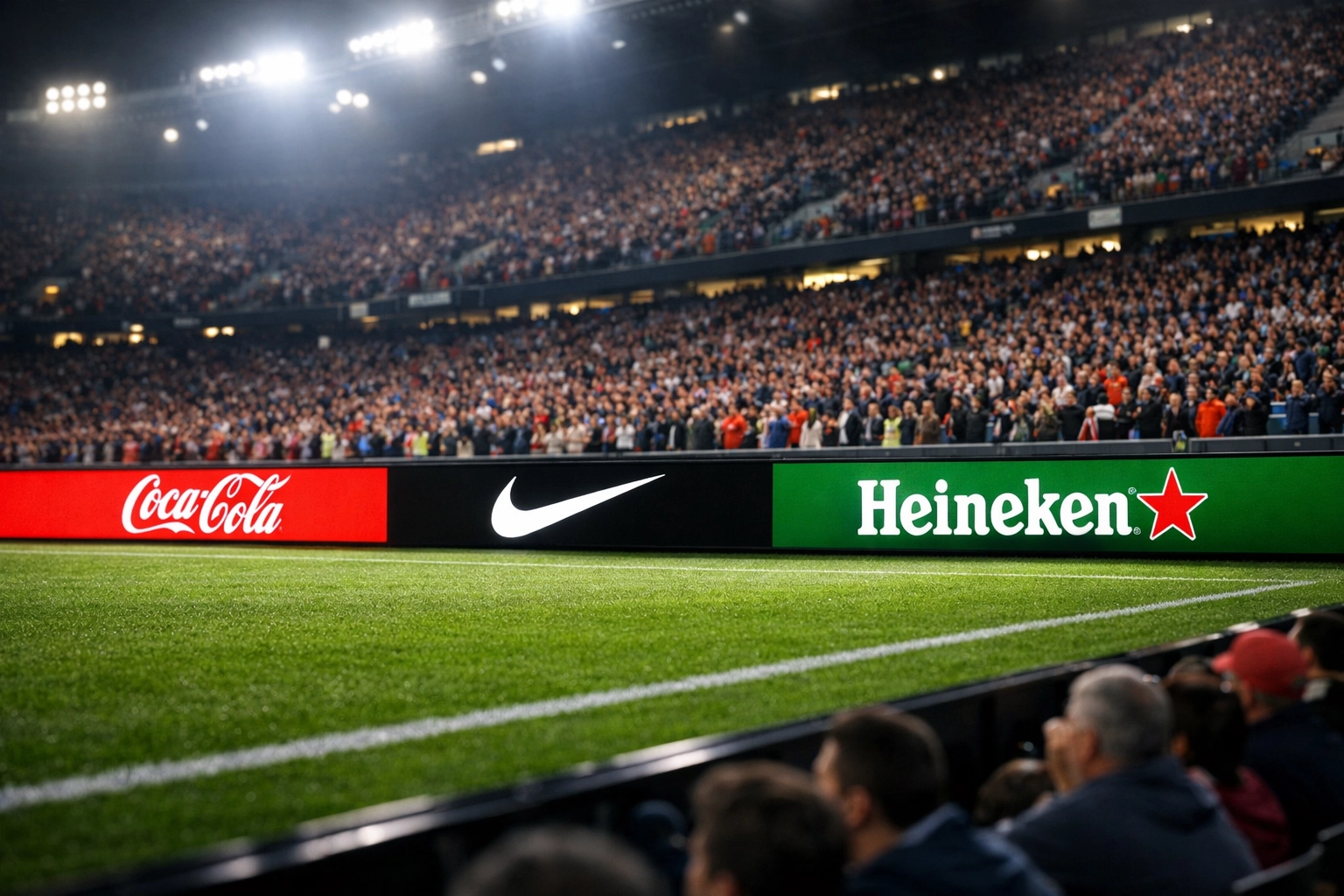
When comparing programmatic DOOH to traditional static stadium ads, the ROI often favors the digital approach. Static signs are permanent for a season, expensive to produce, and impossible to update. In contrast, DOOH allows for multiple brands to share a space, reducing costs while increasing the relevance of the content.
The ability to target specific games or even specific hours of a day ensures that there is no wasted spend. A brand targeting young adults can choose to display their ads only during events that attract that specific demographic. More on this comparison can be explored in the analysis of programmatic DOOH vs. traditional stadium ads.
10. Creative Innovation: 3D and Anamorphic Displays
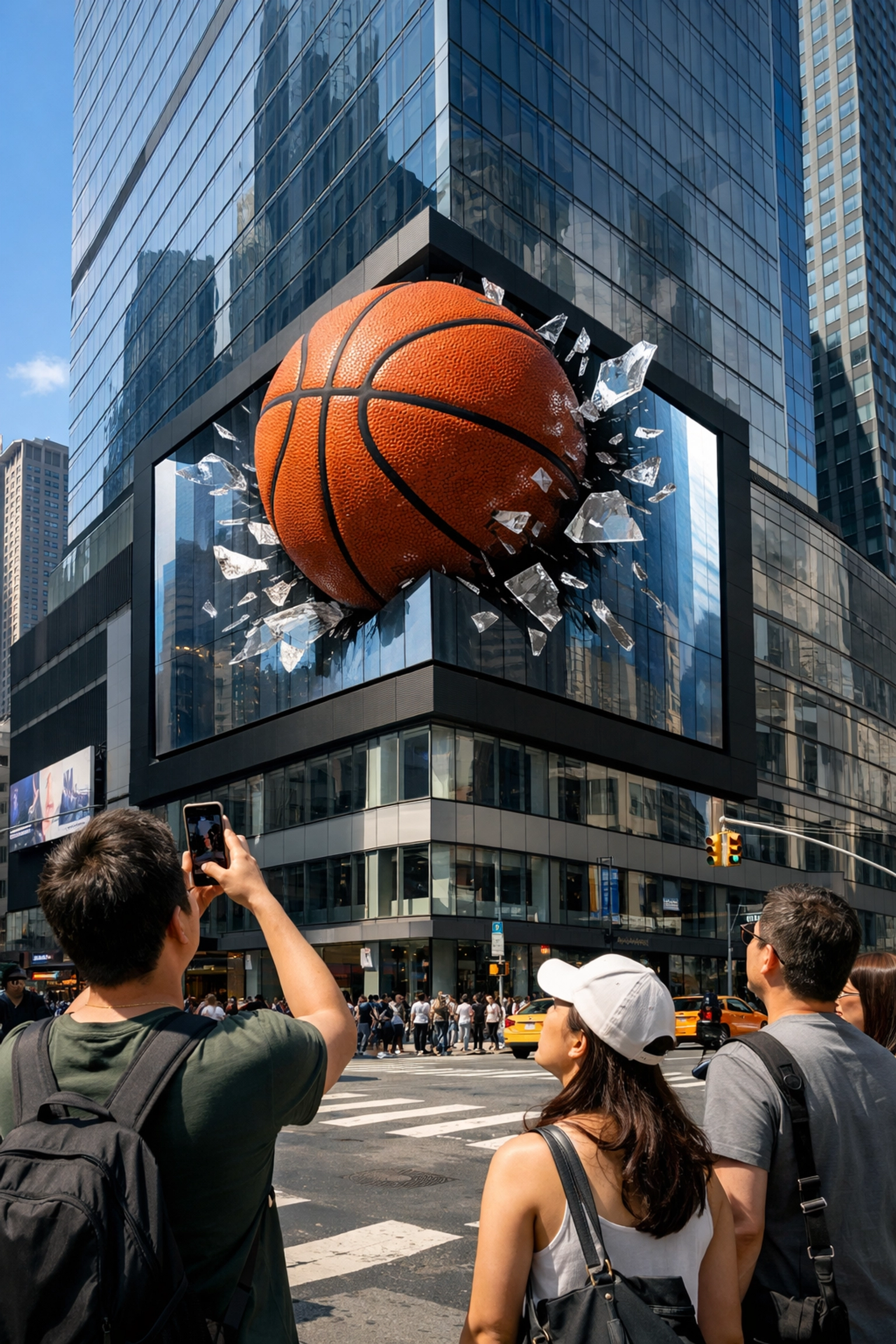
The technical capabilities of digital screens have paved the way for stunning creative executions. 3D anamorphic displays, which create the illusion of depth and movement, are becoming popular in major sports hubs. These "forced perspective" ads are highly "Instagrammable," encouraging fans to take photos and videos of the ad and share them online.
This viral potential extends the reach of a single physical location to a global audience. Campaigns that use these high-end visual techniques, such as the Nike NYC Marathon activation, demonstrate how a well-executed creative strategy can dominate the conversation even without an official sponsorship title.
Strategic Implementation
To successfully leverage these insights, brands must focus on the logistics of execution and the precision of their targeting. The results of well-managed campaigns speak for themselves. For instance, Sea-Doo’s first digital OOH campaign resulted in a 144 percent increase in purchase consideration. Similarly, White Claw's programmatic campaign drove a 74 percent lift in purchase consideration for their vodka launch.
These outcomes are achieved through a combination of high-impact visuals, strategic placement, and rigorous data analysis. As the technology continues to advance, the opportunities for deeper fan engagement will only grow.
For those looking to explore how these trends can be applied to a specific brand or campaign, the OOH Sports blog provides ongoing updates and detailed strategic guides. Understanding the nuances of marketing in the modern age requires a commitment to innovation and an openness to the data-driven future of the advertising industry.
As the industry moves toward that $50 billion milestone, the brands that succeed will be those that view DOOH not just as a billboard, but as a dynamic, interactive, and integral part of the fan experience. For more information on how to get started, you can visit the about page or contact the team at OOH Sports.