
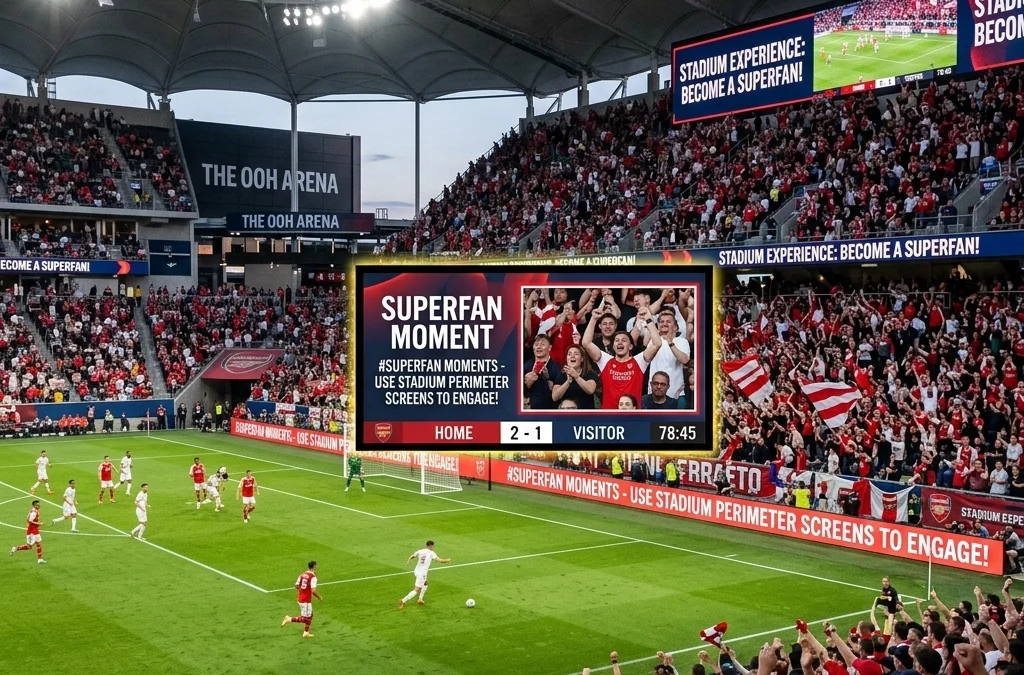
The stadium atmosphere is a unique environment where thousands of people gather with a singular focus. For Creative Directors and CMOs, this provides a captive audience ready for engagement. Traditional static signage is no longer the standard for brands looking to make a lasting impact. The evolution of digital out-of-home (DOOH) technology has transformed stadium perimeter screens into dynamic storytelling platforms.
Moving beyond basic logo placement allows brands to integrate into the emotional fabric of the game. When advertising shifts from being an interruption to an enhancement of the fan experience, spectators transition into superfans. Here are five strategic ways to utilize stadium perimeter screens to maximize engagement and drive brand loyalty.
1. Amplify Critical Game Moments with High-Resolution Replays
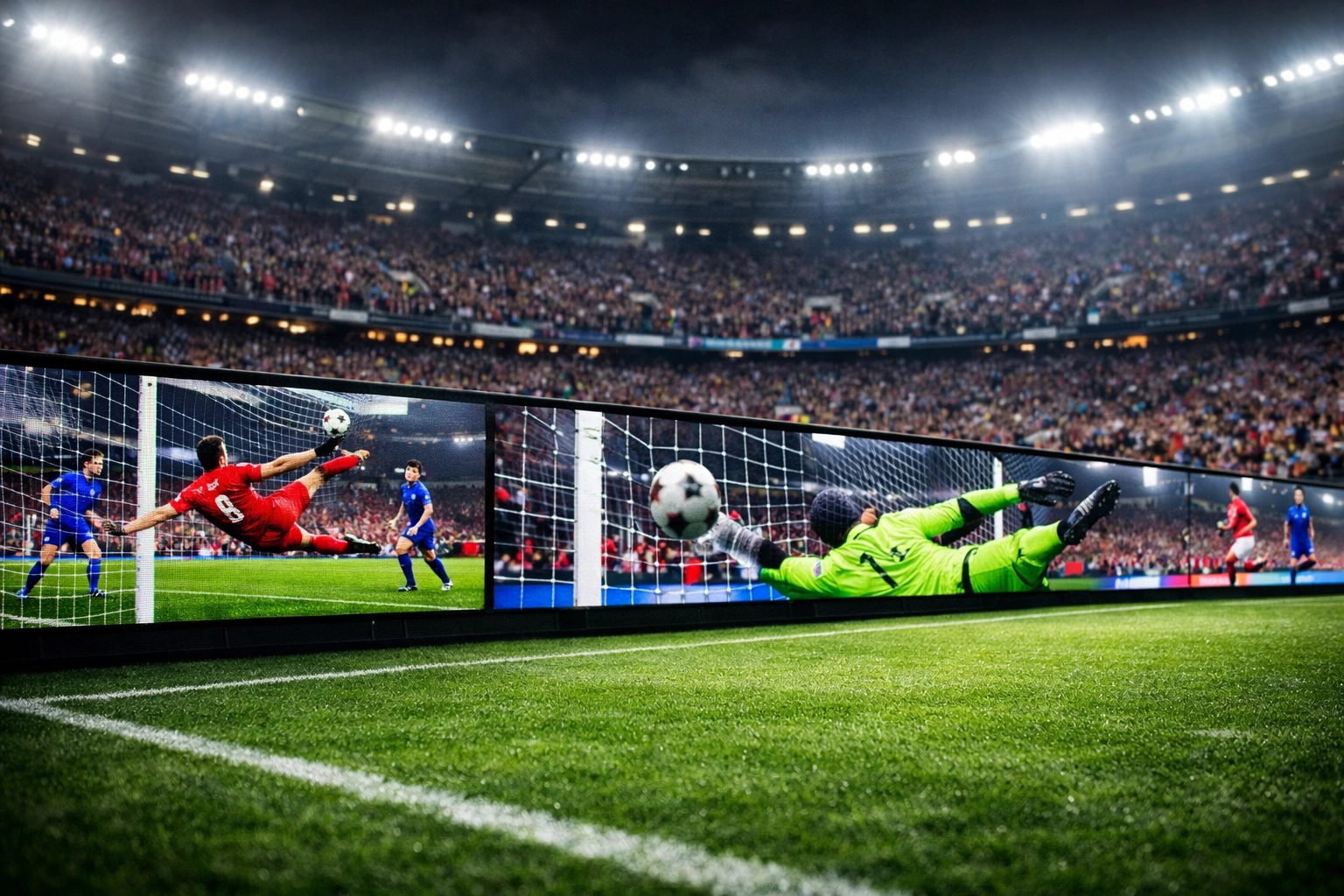
The primary reason fans attend live events is to witness the action. However, in large stadiums, visibility can vary significantly depending on seating location. Perimeter screens solve this problem by bringing the action closer to every spectator.
By showcasing high-resolution player highlights and instant replays, brands can associate themselves with the game's most exciting moments. This strategy involves displaying career statistics during player introductions or spotlighting rookie achievements after a significant play. These visual cues do more than just inform; they create a shared emotional high. When a brand sponsors a "Moment of the Match" replay, the positive sentiment from the play is transferred to the advertiser.
This level of visual clarity ensures that even those in the farthest rows feel connected to the field. For more information on how digital screens are reshaping the sports landscape, OOH Sports provides resources on the transition from traditional to digital infrastructure.
2. Implement Interactive Real-Time Participation
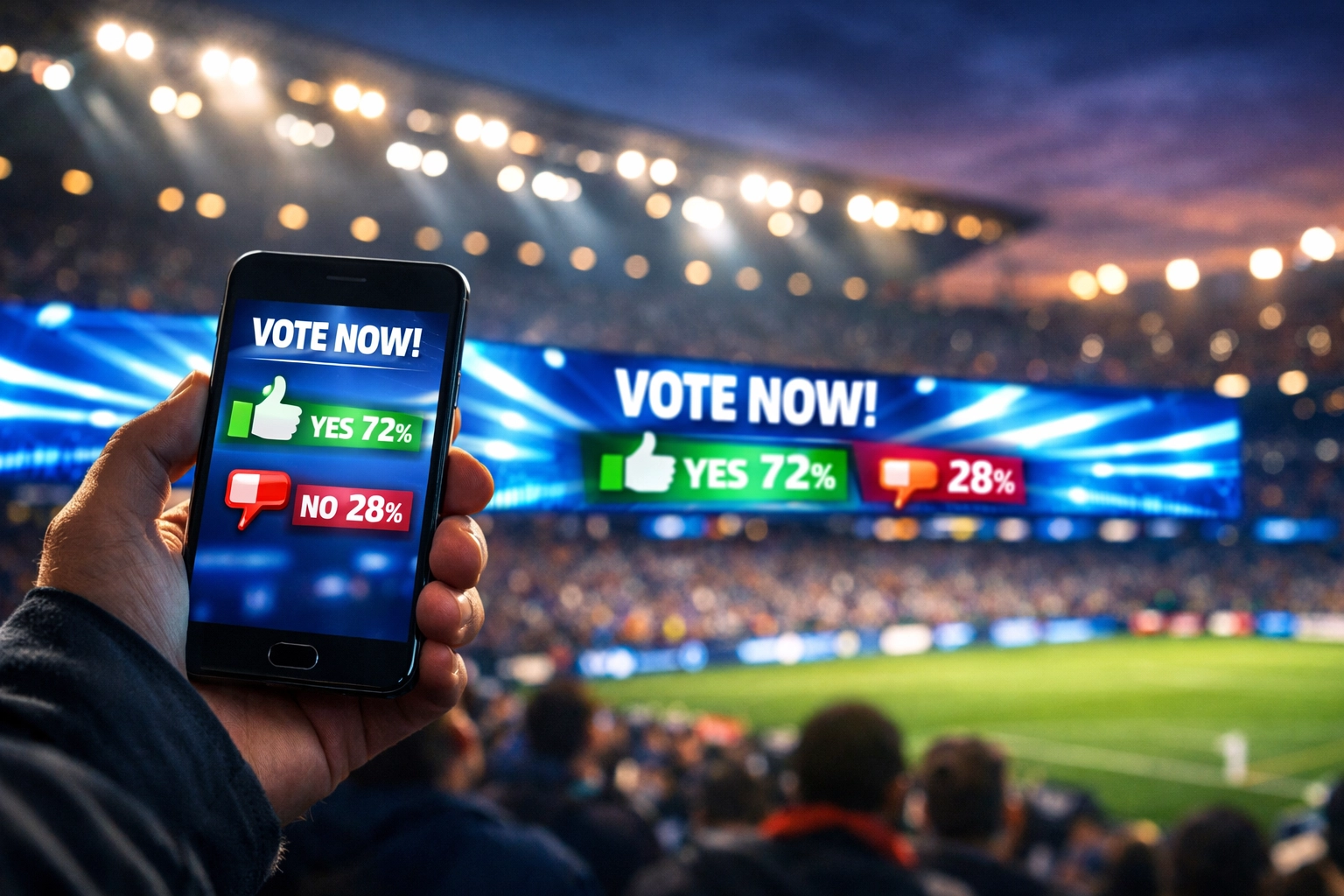
Modern marketing relies on two way communication. Passive viewing is being replaced by active participation. Stadium perimeter screens are the ideal medium for live polls and interactive voting.
Engagement tactics such as "Predict the Next Scorer" or "Vote for the Player of the Match" transform spectators from observers into participants. This level of involvement deepens the fan's investment in the outcome of the event. To execute this effectively, brands can integrate mobile technology, allowing fans to scan QR codes on the perimeter boards to cast their votes. Results are then displayed in real time on the screens.
This strategy bridges the gap between the physical stadium environment and the digital world. It provides brands with a direct line to the consumer's mobile device while maintaining the scale of a stadium audience. Effective sports marketing often requires choosing between fan centric and brand centric approaches to see which delivers better ROI for a specific campaign objective.
3. Leverage Fan Spotlighting and Community Building
A stadium is a community. Fans want to see themselves and their peers as part of the event. Perimeter screens can be used to feature fans dancing, cheering, or participating in "Fan of the Game" segments.
This approach creates a sense of belonging. When a fan sees their image or their social media post displayed on the perimeter of the field, it creates a "hero moment" that is often captured and shared on social media, further extending the reach of the campaign. Brands that facilitate these moments are seen as facilitators of the fan experience rather than just advertisers.
Using AI powered analytics can help brands understand which types of fan content drive the most engagement. Data shows that geographically targeted DOOH strategies can boost fan engagement by up to 90 percent when executed correctly. This is particularly effective in rival games where local pride is a significant factor.

4. Build Anticipation with Pre-Game and Halftime Narrative
The fan experience begins long before the first whistle and continues during the break. These periods are often underutilized by advertisers who rely on static imagery. Perimeter screens allow for the creation of a narrative arc.
Dramatic countdowns, cinematic team introductions, and high-energy graphics during halftime keep energy levels high throughout the event. This sustained entertainment ensures that there are no "dead zones" in the fan experience. For CMOs, these windows are prime opportunities for long-form brand storytelling that might be too distracting during active play.
Strategic use of perimeter screens during these breaks can effectively prime the audience for the second half of the game. It is about maintaining momentum. High-quality motion graphics and synchronized lighting effects can turn a simple halftime break into a world class show.
5. Share Team History and Mission-Driven Content
Superfans are born from a deep understanding and appreciation of a team's history and values. Perimeter screens offer a canvas to share team milestones, charitable initiatives, and personalized announcements.
When a brand sponsors a segment highlighting the team’s community outreach or a legendary player's career highlights, it builds a deeper connection with the audience. This mission-driven content resonates on a personal level. It positions the brand as a supporter of the community and the sport's heritage.
This strategy is particularly effective for long-term brand building. By moving away from short-term sales pitches and toward shared values, brands can secure a permanent place in the fan's mind. This approach is supported by data suggesting that campaigns focusing on brand image see significant lifts in consumer perception. For instance, campaigns emphasizing brand image have seen up to a 119 percent lift in positive brand sentiment.
The Strategic Shift to Programmatic DOOH
The effectiveness of these five strategies is significantly enhanced by the use of programmatic digital out-of-home (DOOH) technology. Unlike traditional stadium sponsorships that are often locked into long-term, static contracts, programmatic DOOH allows for flexibility and data-driven decision-making.
Strategy and Objective
The objective for modern sports marketers is to deliver the right message at the peak moment of fan emotion. Programmatic platforms enable brands to trigger ads based on real-time game data, such as a home team scoring a goal or a specific player entering the field. This level of relevance ensures that the ad spend is maximized during high-attention periods.
Technology and Execution
By utilizing specialized platforms, advertisers can manage campaigns across thousands of screens simultaneously. This technology allows for rapid creative swaps and real-time adjustments. The ability to launch real-time campaigns in under 24 hours is a significant advantage in the fast-paced sports world.
Execution involves using device IDs to measure exposure and retargeting audiences after they leave the stadium. This omnichannel approach ensures that the brand remains top of mind long after the game has ended.

Measurable Results and ROI
Data-driven marketing requires proof of success. Industry studies have shown that programmatic DOOH delivers superior ROI compared to traditional static methods. For example, White Claw's programmatic campaign drove a 74 percent lift in purchase consideration, while Sea-Doo saw a 144 percent increase in purchase consideration through its first digital OOH campaign.
The sports DOOH market is projected to reach 50 billion dollars by 2030. Capturing a share of this market requires a move away from guesswork and toward AI powered analytics. These tools provide clear evidence of campaign success by measuring brand lift, foot traffic, and sales attribution.
Elevating the Fan Experience
Stadium perimeter screens are no longer just a border for the field of play; they are a vital component of the modern fan experience. By focusing on highlights, interactivity, community building, narrative momentum, and shared values, brands can move beyond the role of a spectator and become a core part of the game.
The transition from traditional advertising to dynamic, programmatic DOOH is not just a trend but a strategic necessity. As more media planners shift their budgets toward digital sports marketing, the ability to engage fans in real time will be the deciding factor in brand success. Creative Directors and CMOs who embrace these strategies will find themselves not just reaching an audience, but building a loyal following of superfans.
For those looking to explore the full potential of these technologies, the sitemap at OOH Sports offers a comprehensive guide to strategies that drive results in the evolving landscape of sports advertising. By leveraging 25,000 digital screens and AI powered targeting, the opportunity to turn every spectator into a superfan is within reach.