
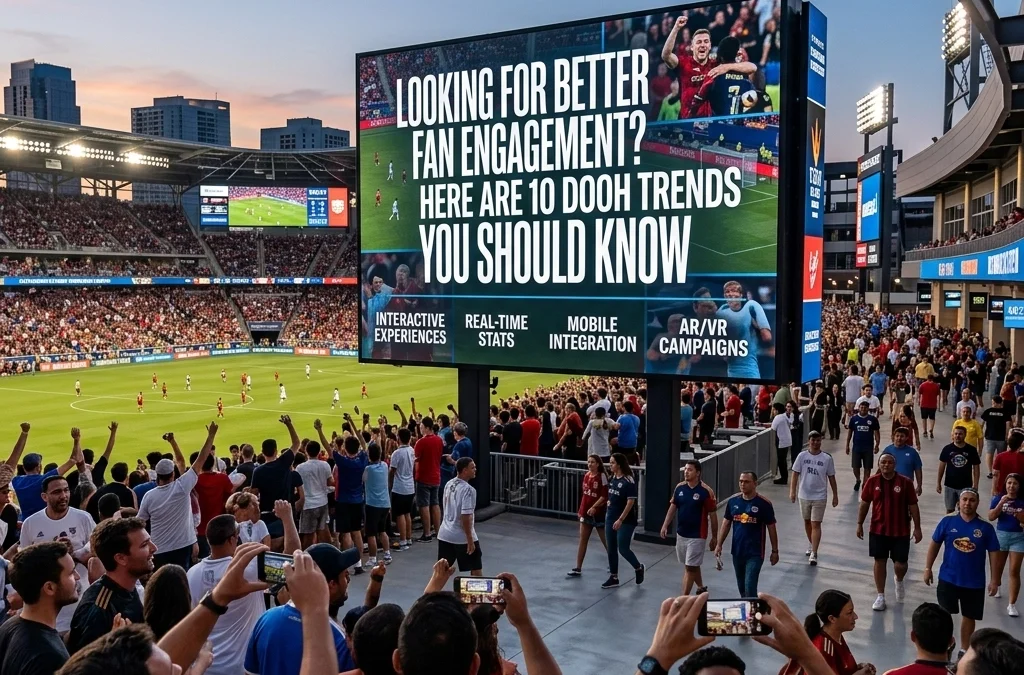
Digital Out-of-Home (DOOH) advertising has undergone a massive transformation in recent years. What was once a static billboard is now a dynamic, data-driven engine capable of reaching sports fans exactly where they live, work, and play. For brands looking to maximize their presence in the sports world, understanding the latest trends in DOOH is no longer optional. It is a strategic necessity.
As the industry moves toward a future where DOOH sports advertising will hit 50 billion by 2030, the focus has shifted from simple impressions to deep, meaningful engagement. Here are the 10 trends currently shaping the landscape.

1. The Rise of Programmatic DOOH (pDOOH)
The shift from manual to programmatic buying is perhaps the most significant trend in the industry. Programmatic DOOH allows advertisers to purchase ad space through automated platforms, enabling real-time bidding and highly flexible scheduling. Unlike traditional methods that require long-term contracts for specific physical locations, pDOOH offers agility.
This technology allows brands to pause, pivot, or scale campaigns instantly based on performance or changing game-day conditions. The efficiency of this approach has already yielded impressive results. For instance, White Claw’s programmatic campaign drove a 74% lift in purchase consideration for their vodka launch by targeting specific audience segments with precision.
2. Real-Time Sports Betting Integration
With the legalization of sports betting in various regions, the demand for real-time odds on digital screens has skyrocketed. Fans at sports bars or transit hubs are no longer just looking for scores; they are looking for live betting lines.
DOOH networks can now pull live API feeds from sportsbooks to display up-to-the-minute odds. This transforms an advertisement into utility-based content that fans find genuinely helpful. Brands can launch real-time sports betting DOOH campaigns in under 24 hours, ensuring the messaging is always relevant to the current state of play.
3. Dynamic Creative Optimization (DCO)
Dynamic Creative Optimization uses data to change the content of an ad in real-time. In a sports context, this means an ad can change its messaging based on the current score of a game, who scored a goal, or the remaining time on the clock.
This level of relevance ensures that the creative never feels stale. If a team wins, the screen can immediately switch to celebratory messaging and merchandise offers. This strategy keeps fans engaged by reflecting their current emotional state and the reality of the event they are following.
4. Hyper-Local Stadium Perimeter Targeting
While ads inside the stadium are valuable, the "fan journey" begins long before they take their seats. Brands are increasingly focusing on the perimeter of stadiums, targeting fans as they arrive at parking lots, transit stations, and nearby bars.
By saturating the physical path to the game with digital screens, advertisers can create a "surround sound" effect. This helps brands maintain a presence even if they are not official league sponsors. A notable example is how Nike established a massive presence at the NYC Marathon through clever positioning and DOOH, effectively capturing the audience's attention without an official sponsorship tag.
5. AI-Powered Audience Analytics
The days of guessing how many people saw a billboard are over. Modern DOOH utilizes AI and mobile location data to provide highly accurate measurement. By tracking anonymized device IDs, brands can understand the movement patterns of fans and measure the actual foot traffic generated by a campaign.
This data-driven approach allows for better measurement of campaign success and provides a clear ROI. Advertisers can now see exactly how many people were exposed to an ad and subsequently visited a retail location or a stadium.
6. Weather-Triggered Activations
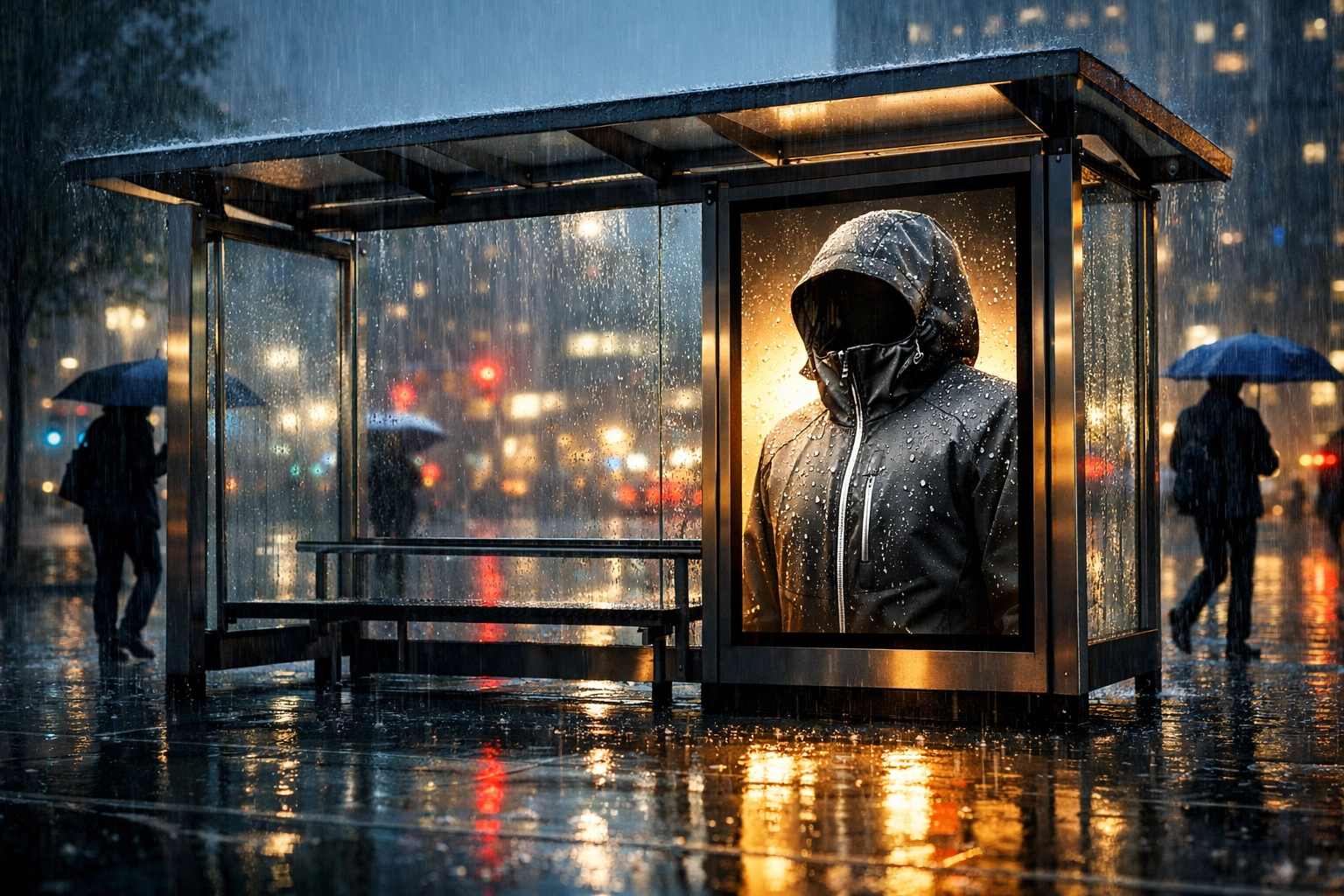
Context is king in outdoor advertising. Weather-triggered ads allow brands to serve specific content based on local meteorological conditions. For sports apparel brands, this is a powerful tool.
If it begins to rain at an outdoor stadium, screens can immediately switch to promoting rain gear or ponchos. Conversely, if a heatwave is forecast, the creative can pivot to cold beverages or moisture-wicking clothing. This level of responsiveness makes the advertising feel like a helpful service rather than an interruption.
7. Omnichannel Retargeting
DOOH is no longer a siloed channel. One of the most effective trends is the integration of DOOH with mobile retargeting. When a fan's mobile device is detected near a digital screen showing a specific ad, that fan can later be retargeted with a follow-up ad or a coupon on their smartphone.
This creates a seamless brand experience. The DOOH screen builds awareness and "stops the scroll" in the physical world, while the mobile ad provides the direct call to action. This omnichannel approach was a key factor in how Sea-Doo increased purchase consideration by 144% in their recent digital OOH campaign.
8. Interactive and Gamified Content
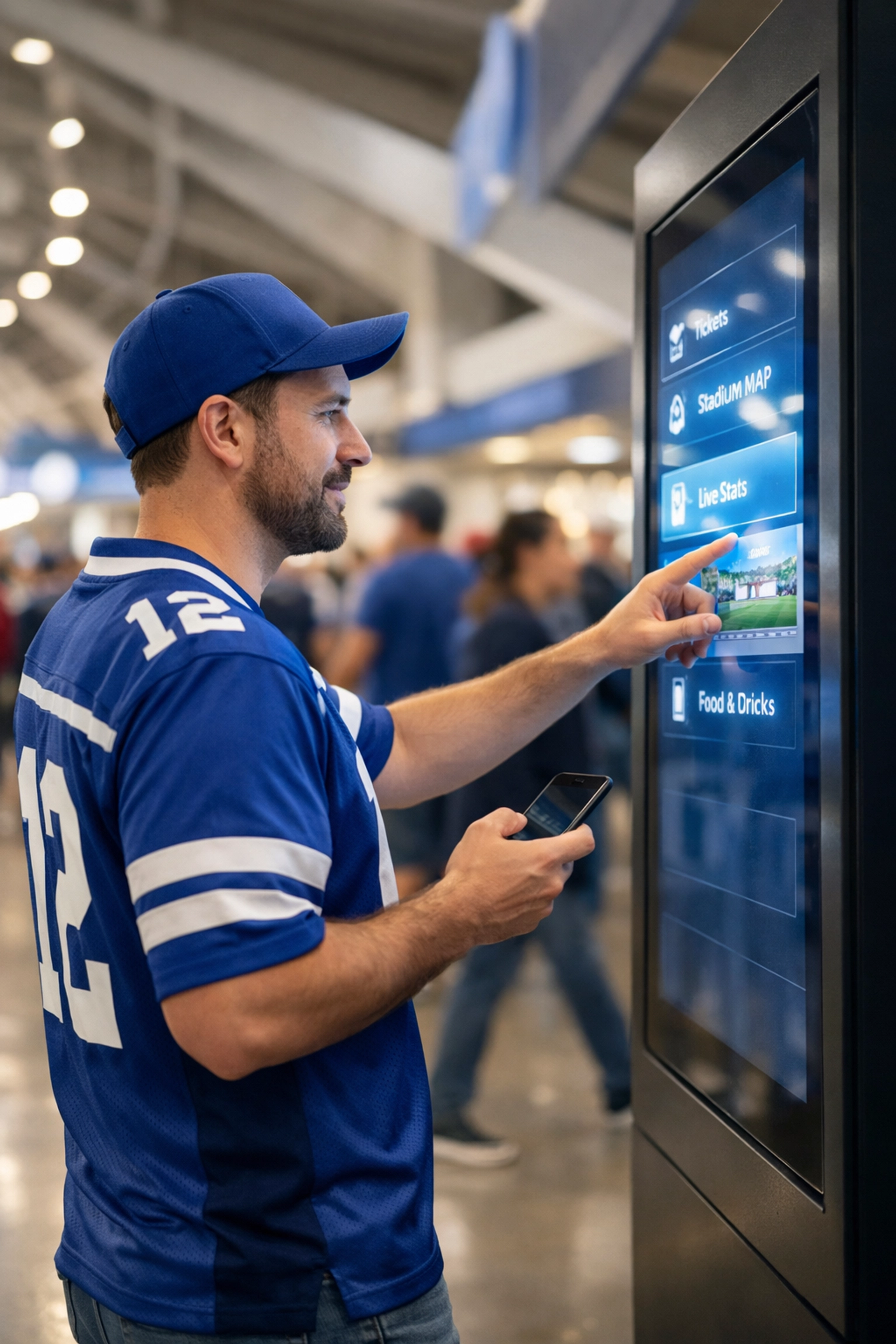
Engagement is often highest when the fan can participate. Interactive DOOH screens that allow fans to vote on game outcomes, play mini-games, or scan QR codes for exclusive content are becoming more common.
These interactions provide valuable first-party data for brands while offering fans a fun, memorable experience. By adding a gamified element to a transit shelter or a mall kiosk, brands can turn a passive viewing experience into an active engagement moment.
9. 3D Anamorphic Visuals
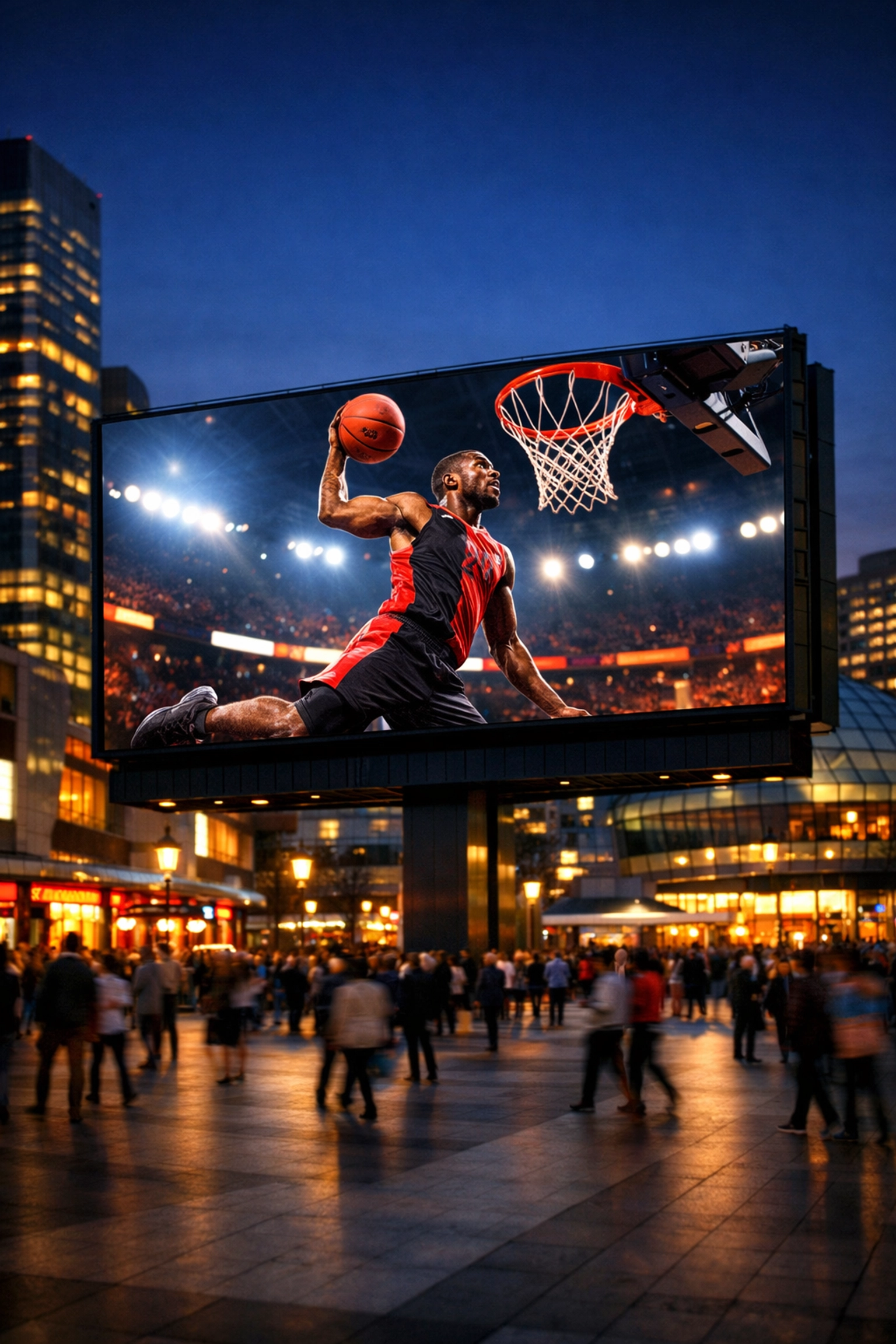
To truly capture attention in crowded urban environments, brands are turning to 3D anamorphic creative. These ads use perspective and high-definition screens to create the illusion of three-dimensional depth, making objects appear as if they are "popping out" of the screen.
In sports marketing, this can be used to showcase a life-sized athlete performing a move or a new shoe model rotating in mid-air. These "wow" moments are highly shareable on social media, providing brands with additional earned media as fans record and post the visuals online.
10. Utility-Focused Content and Value
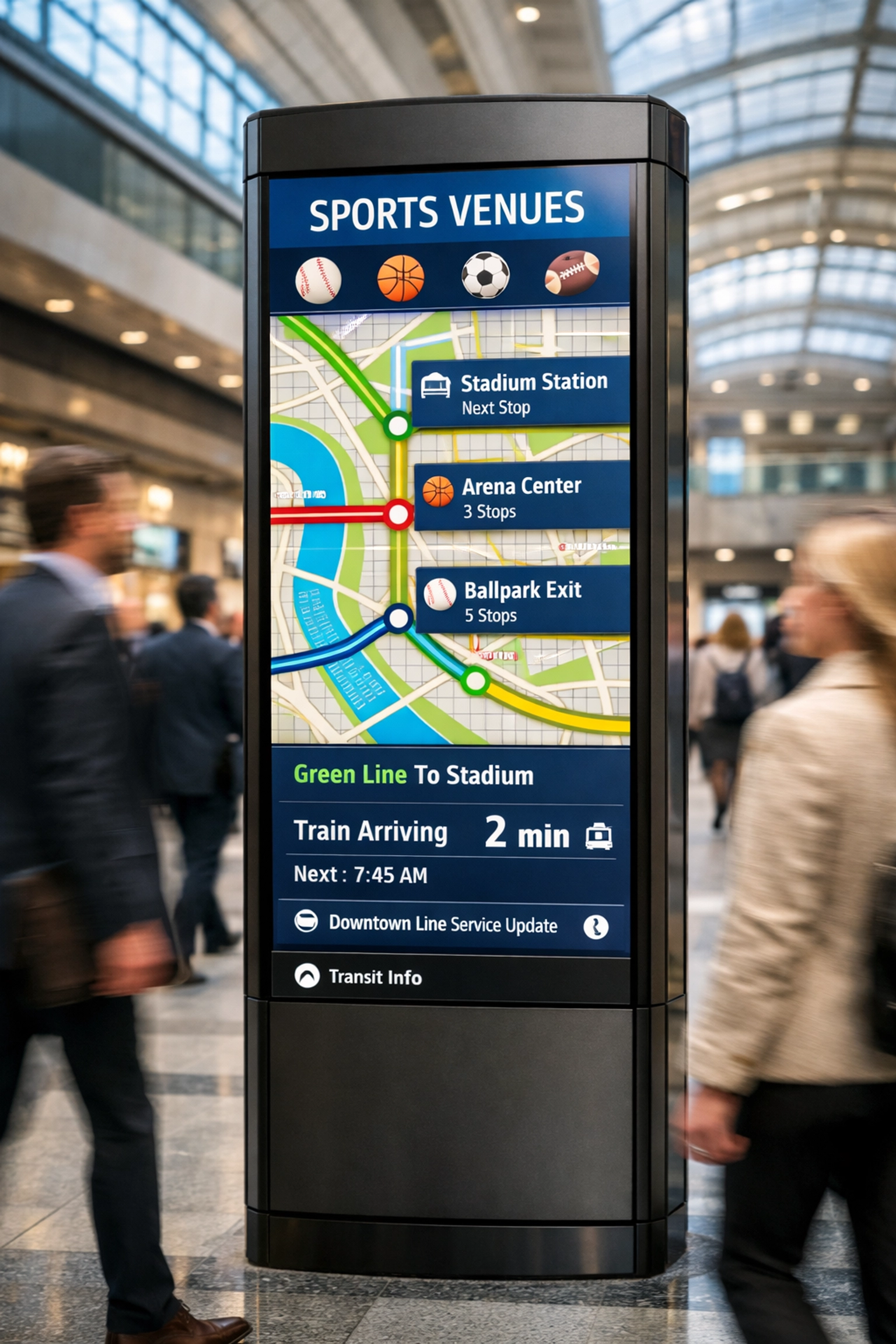
The final trend is a shift toward "advertising as a service." Brands are finding success by providing content that fans actually want to see, such as live traffic updates, subway schedules, or city guides, alongside their brand messaging.
During major events, providing a "fan guide" or a map to the best local sports bars can build immense brand equity. This helpful approach positions the brand as a partner to the fan's experience. For example, during high-traffic periods in major hubs, tailoring content to the shopping and travel needs of the audience has proven highly effective.
The Strategic Path Forward
The convergence of AI, programmatic buying, and real-time data is changing what is possible in the world of sports advertising. As traditional stadium sponsorships face challenges in terms of measurement and flexibility, 25,000 digital screens are changing the way sports marketing is executed.
By leveraging these ten trends, brands can move away from broad, wasteful spending and toward a model of precision and high engagement. Whether it is through a 119% lift in positive brand image, as seen in Mike’s Hard Iced Tea campaigns, or through hyper-local targeting at a major marathon, the data confirms that DOOH is the future of fan engagement.
Staying ahead of these trends requires a focus on technology, a willingness to use real-time data, and a commitment to providing value to the fan. As the sports world continues to evolve, the brands that find the most success will be those that integrate themselves seamlessly into the fan's daily routine through the power of digital out-of-home advertising.