
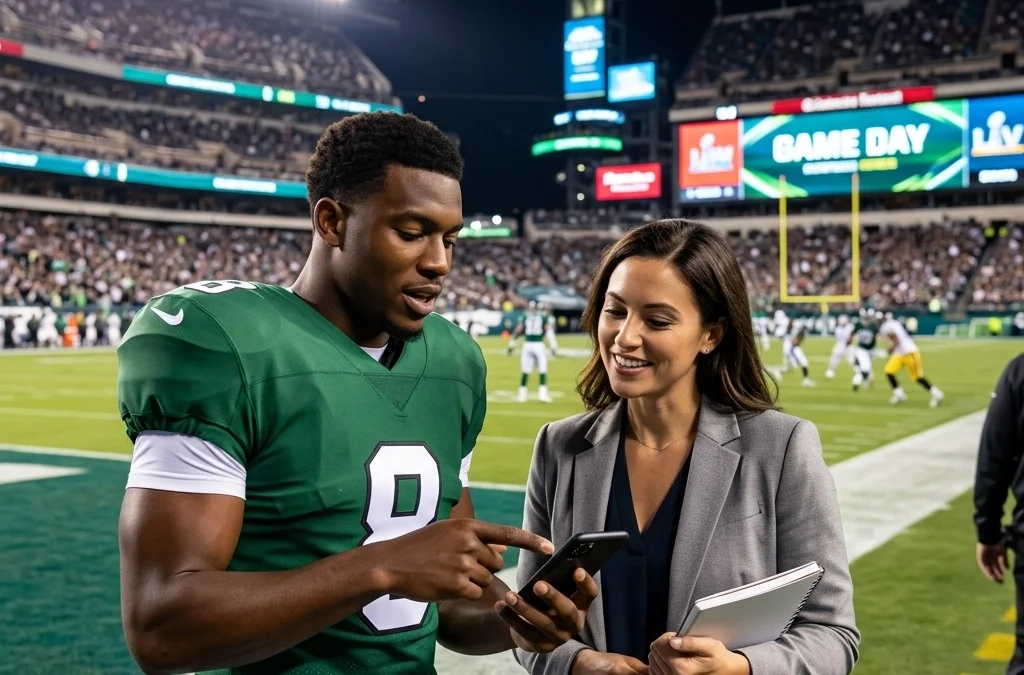
As the calendar turns toward the mid-point of the decade, the advertising landscape is shifting faster than a wide receiver on a fly route. We are looking ahead to the Super Bowl in 2026, and for media buyers, the game has changed. It is no longer just about who can afford the $7 million price tag for a thirty-second television spot. Today, the real action is happening on the ground and on the screens of millions of fans through Name, Image, and Likeness (NIL) partnerships.
At OOH Sports, the focus is on bridging the gap between digital influence and physical presence. With a platform that connects brands to over 20,000 authentic student-athlete voices, there is an unprecedented opportunity to dominate the Super Bowl conversation without breaking the bank on a single broadcast ad.
However, high stakes often lead to high-pressure mistakes. To help you navigate the 2026 season, here is a breakdown of the seven most common mistakes brands make with Super Bowl NIL campaigns and exactly how to fix them.
1. The "Four-Hour" Tunnel Vision
The biggest mistake any media buyer can make is concentrating an entire budget into the four-hour window of the Super Bowl game itself. While the game is the climax, the cultural event lasts for weeks. Brands that spend their entire NIL budget on "game day" posts often find themselves drowned out by the sheer volume of noise.
The Fix: Build a narrative. Start your NIL campaign three to four weeks before the coin toss. Use student-athletes to document their journey to the big game, their viewing party preparations, or their predictions. By the time kickoff happens, your brand already has established equity with their followers. This long-tail approach ensures that your message is heard when the airwaves are less crowded.
2. Chasing "Mega" Stars Instead of Authentic Voices
It is tempting to go after the one or two Heisman trophy winners or the high-profile quarterbacks with millions of followers. While these athletes have reach, they often lack the deep, authentic engagement found in "micro" or "mid-tier" student-athletes. When a superstar posts an ad, followers know it is an ad.
The Fix: Leverage the power of the 20,000. OOH Sports provides access to a massive network of student-athletes who have genuine, localized influence. Instead of one post from a superstar, imagine 500 posts from influential athletes across different regions, all speaking to their specific communities. This creates a "surround sound" effect that feels more like a grassroots movement than a corporate broadcast.
3. Treating NIL and OOH as Separate Silos
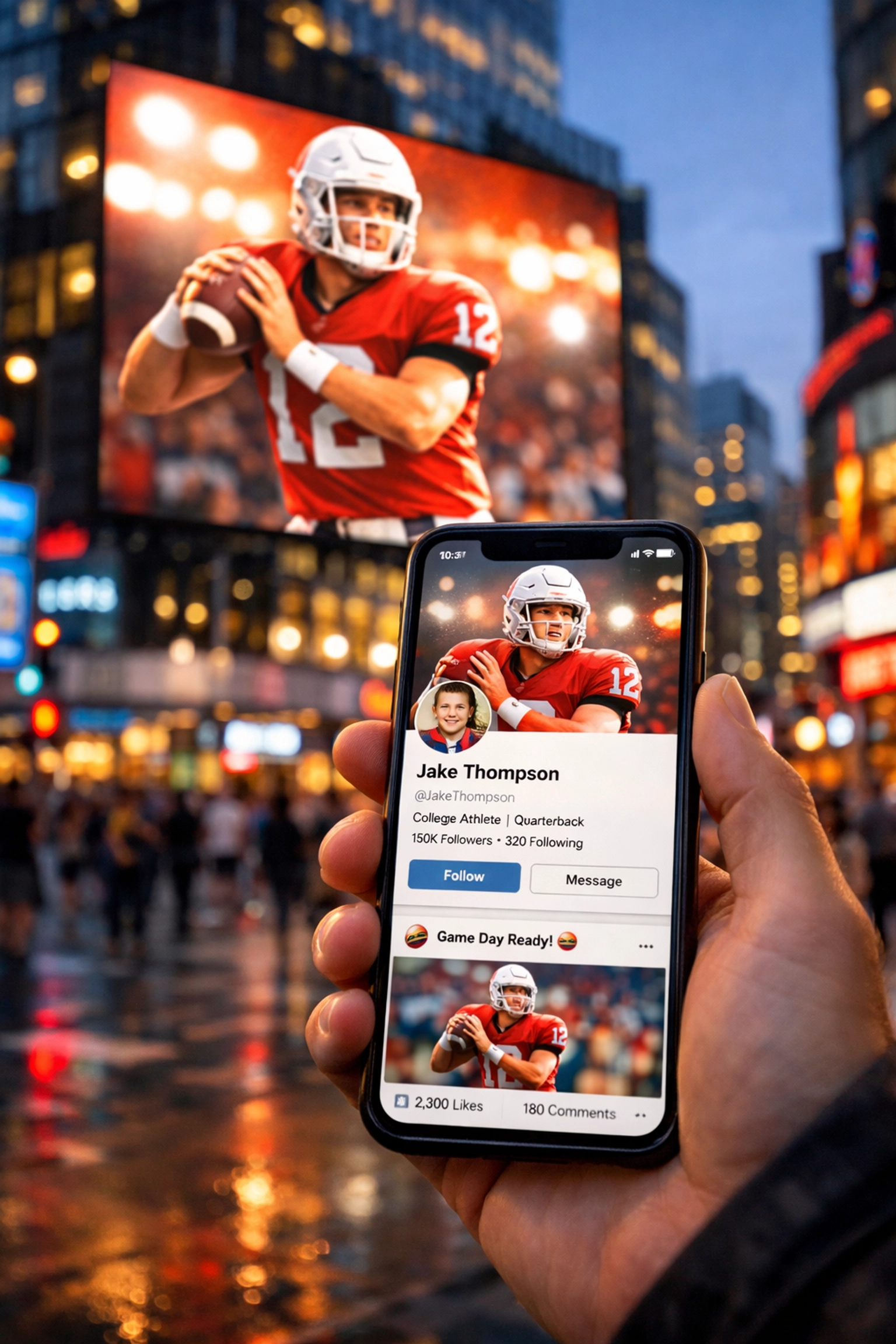
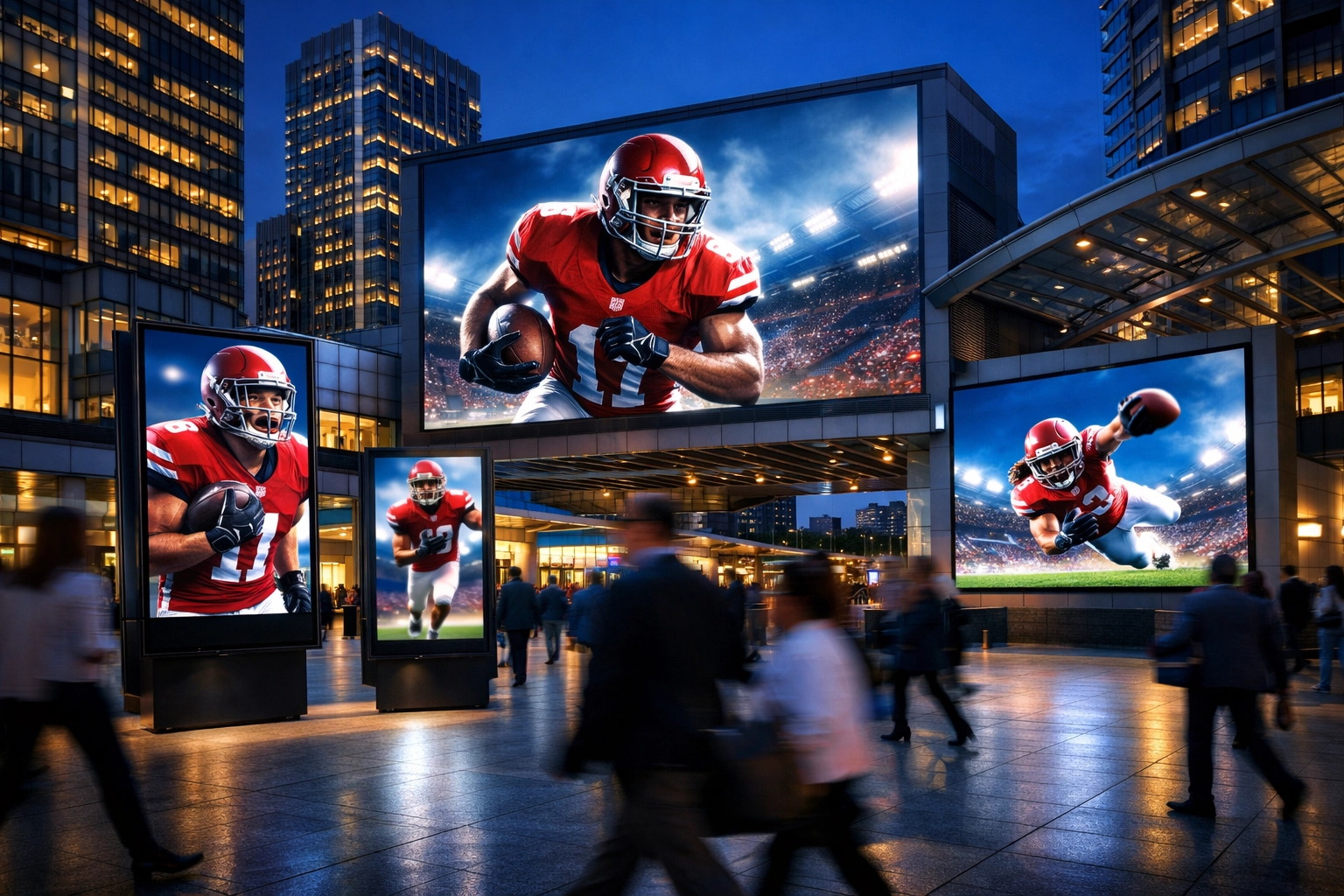
Many brands run an NIL campaign on social media and a Digital Out-of-Home (DOOH) campaign on billboards, but they never let the two talk to each other. This is a missed opportunity for cross-channel reinforcement. If a fan sees a student-athlete they follow on their phone, and then sees that same athlete on a Sportron while walking to a Super Bowl party, the brand recall skyrockets.
The Fix: Create an integrated ecosystem. Use the content generated by your 20,000+ student-athletes and repurpose it for programmatic DOOH. Seeing "real" people on big screens creates a sense of community and trust. Brands like White Claw and Mike's Hard Iced Tea have already seen massive success by using programmatic DOOH to drive purchase consideration, as seen in this case study.
4. Over-Scripting the Content
Nothing kills an NIL campaign faster than a post that sounds like it was written by a legal department. Student-athletes are creators. Their followers love them because of their unique voice and personality. When a brand forces a rigid script on 20,000 different voices, the campaign loses its "authentic" edge and starts to feel like spam.
The Fix: Provide guardrails, not scripts. Give your athletes a clear objective and a few key talking points, then let them create. The goal is to have the brand fit seamlessly into their lifestyle. This approach leads to higher engagement rates and a more positive brand image.
Check out how these voices come together in our latest strategy overview:
https://www.youtube.com/watch?v=l6J-0zileKE
5. Ignoring the "Local" in National Events
Even though the Super Bowl is a national event, the way people celebrate it is intensely local. Media buyers often overlook the geographical relevance of their NIL partners. A student-athlete in a college town has a different level of influence than a pro athlete in a major metro area.
The Fix: Geo-target your NIL efforts. If the Super Bowl is being held in a specific city, flood that local market with NIL voices from nearby universities. Combine this with localized marketing on digital billboards in the host city. This hyper-local strategy makes your brand feel like a host of the party, not just a guest.
6. Failing to Measure the Right Metrics
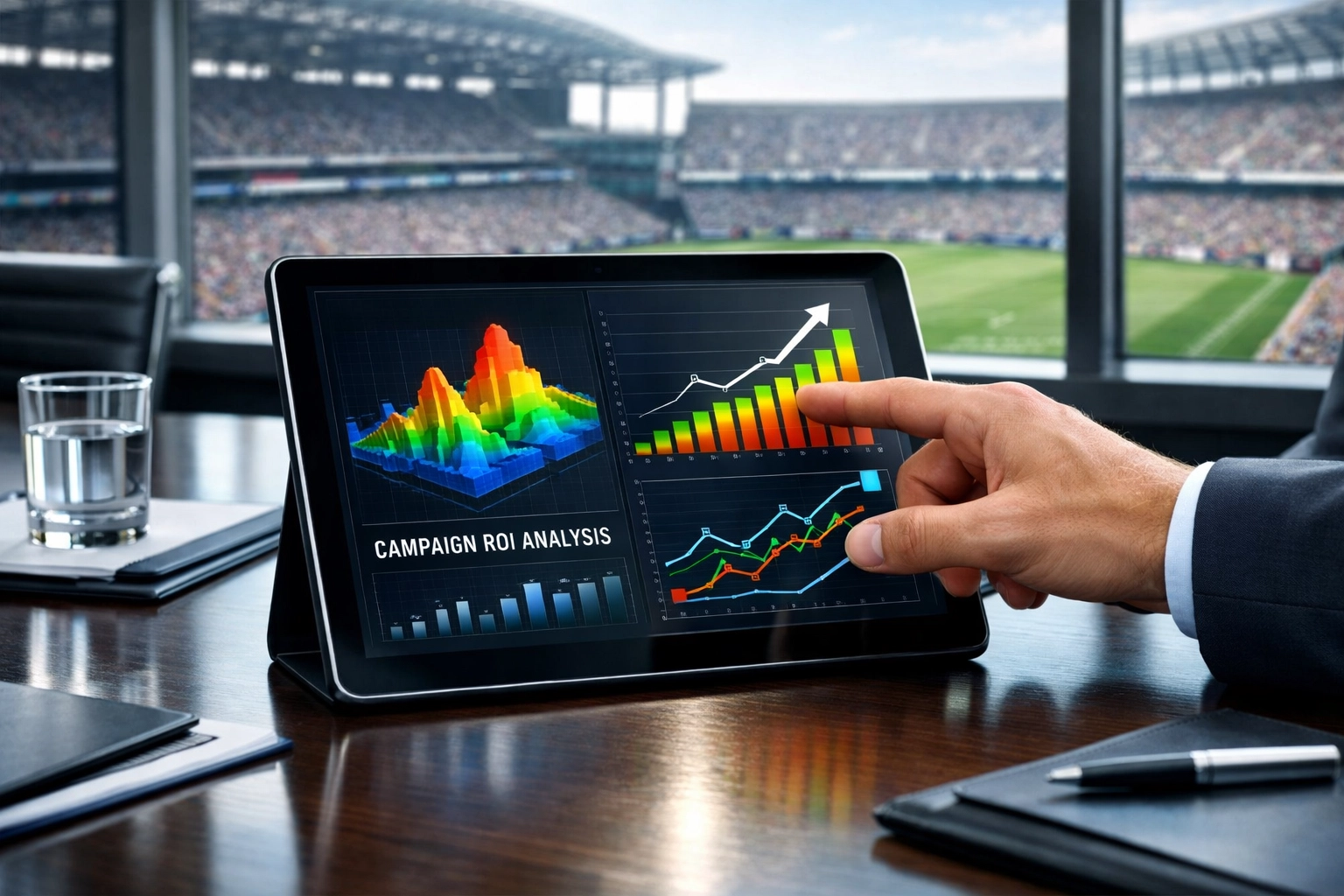
Relying on "likes" and "comments" as your primary KPIs for a Super Bowl campaign is a mistake. While engagement is nice, it doesn't always correlate to brand lift or purchase intent. In the high-stakes environment of 2026, you need harder data.
The Fix: Use advanced attribution. OOH Sports focuses on measurable outcomes, such as brand preference ratings and foot traffic lift. By tracking device IDs exposed to both the NIL content and the OOH placements, you can see the actual path to purchase. For example, some campaigns have seen a 119% lift in positive brand image by using a data-driven approach to targeting and measurement.
7. The "Set It and Forget It" Mentality
The Super Bowl is a live, breathing event. Trends happen in real-time. A "Left Shark" moment or a specific play can become a meme in seconds. Brands that pre-schedule all their NIL content weeks in advance miss the chance to react to the cultural zeitgeist.
The Fix: Stay agile. Keep a portion of your budget and your athlete network ready for real-time engagement. Use the OOH Sports platform to push out updated creative to digital billboards based on game events. This level of responsiveness is what separates the winners from the losers in the Super Bowl ad race.
Why the 2026 Season is Different
In previous years, NIL was the "new kid on the block." By 2026, it is the veteran leader. The scale of 20,000+ authentic voices allows for a level of saturation that was previously impossible. When you combine this with the precision of programmatic DOOH, you are no longer just "buying an ad." You are buying a presence in the physical and digital lives of your target audience.
Consider the success of brands that have moved away from traditional sponsorship. For example, during the NYC Marathon, Nike proved that you don't need to be an official sponsor to own the conversation if your OOH and influencer strategy is on point.
Logistics and Execution
Executing a campaign with thousands of athletes might sound like a logistical nightmare, but technology has simplified the process. The OOH Sports platform acts as the central hub for:
- Athlete Discovery: Finding the right voices within the 20,000+ database.
- Creative Distribution: Ensuring that content is delivered and posted on time.
- Integration: Syncing social posts with Digital Out-of-Home schedules.
- Reporting: Consolidating data from multiple channels into a single source of truth.
Final Thoughts for Media Buyers
The Super Bowl remains the pinnacle of American advertising, but the path to victory has shifted. By avoiding these seven mistakes, you can ensure that your 2026 NIL campaign is not just another post in the feed, but a driving force behind your brand's growth.
Focus on authenticity. Focus on the long-tail. And most importantly, focus on connecting those 20,000 voices to the real world through strategic OOH placements.
Ready to start planning your 2026 takeover? Contact us today to learn more about our NIL platform and how we can help you scale your message across the country. For more insights on the future of advertising, check out our about page or dive into our latest case studies.
The game is about to begin. Is your brand in the starting lineup?