
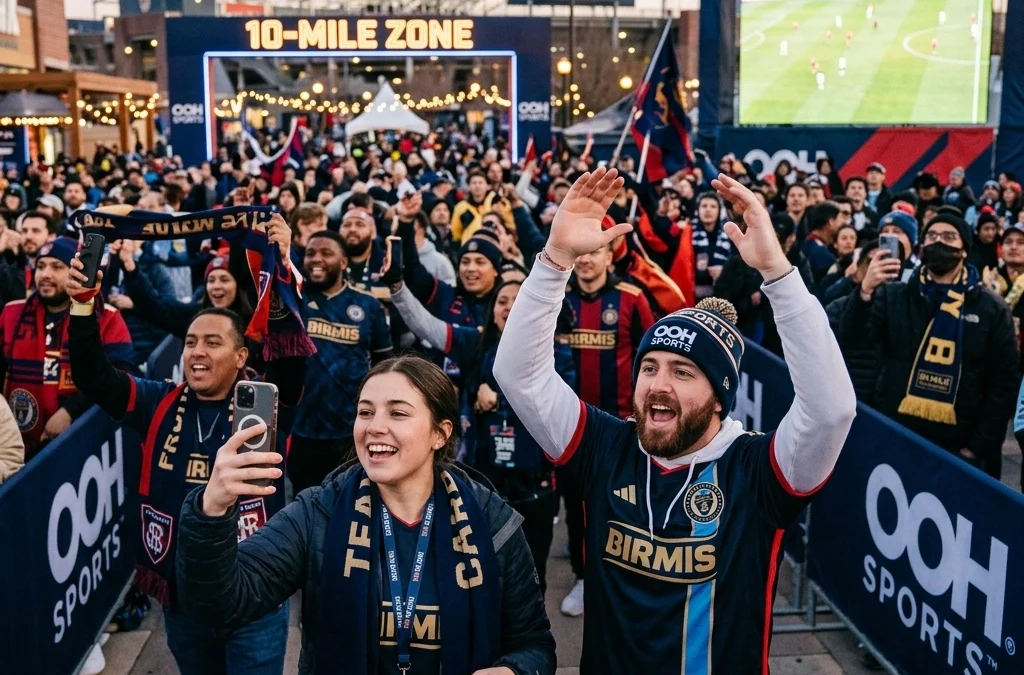
Traditional sports marketing often relies on a high stakes gamble: the hope that a fan will notice a brand during the heat of a game. While stadium signage and jersey patches have their place, the modern fan journey is far more complex than a single ninety minute window. Many brands struggle to maintain engagement because they focus exclusively on the venue, ignoring the hours of travel, socializing, and anticipation that surround a major sporting event.
Effective fan engagement requires a strategic shift from venue centric thinking to journey centric execution. By identifying common pitfalls in sports marketing and implementing the 10-Mile Zone strategy, brands can secure a dominant presence where fans are most receptive.
Mistake 1: Treating Fans Like Generic Consumers
A common error in sports marketing is failing to acknowledge the unique psychological state of a sports fan. Unlike a shopper browsing a supermarket, a fan is in a state of heightened emotional investment. Generic advertising that does not lean into the tribalism or the specific excitement of the match day often falls flat.
When brands treat fans like standard demographics, they miss the opportunity to build deep brand affinity. Successful campaigns leverage the high energy environment to drive significant results. For instance, White Claw’s programmatic digital out of home campaign demonstrated that targeting specific consumer mindsets through pDOOH can lead to a 74 percent lift in purchase consideration.
Mistake 2: The Mobile-Only Engagement Trap
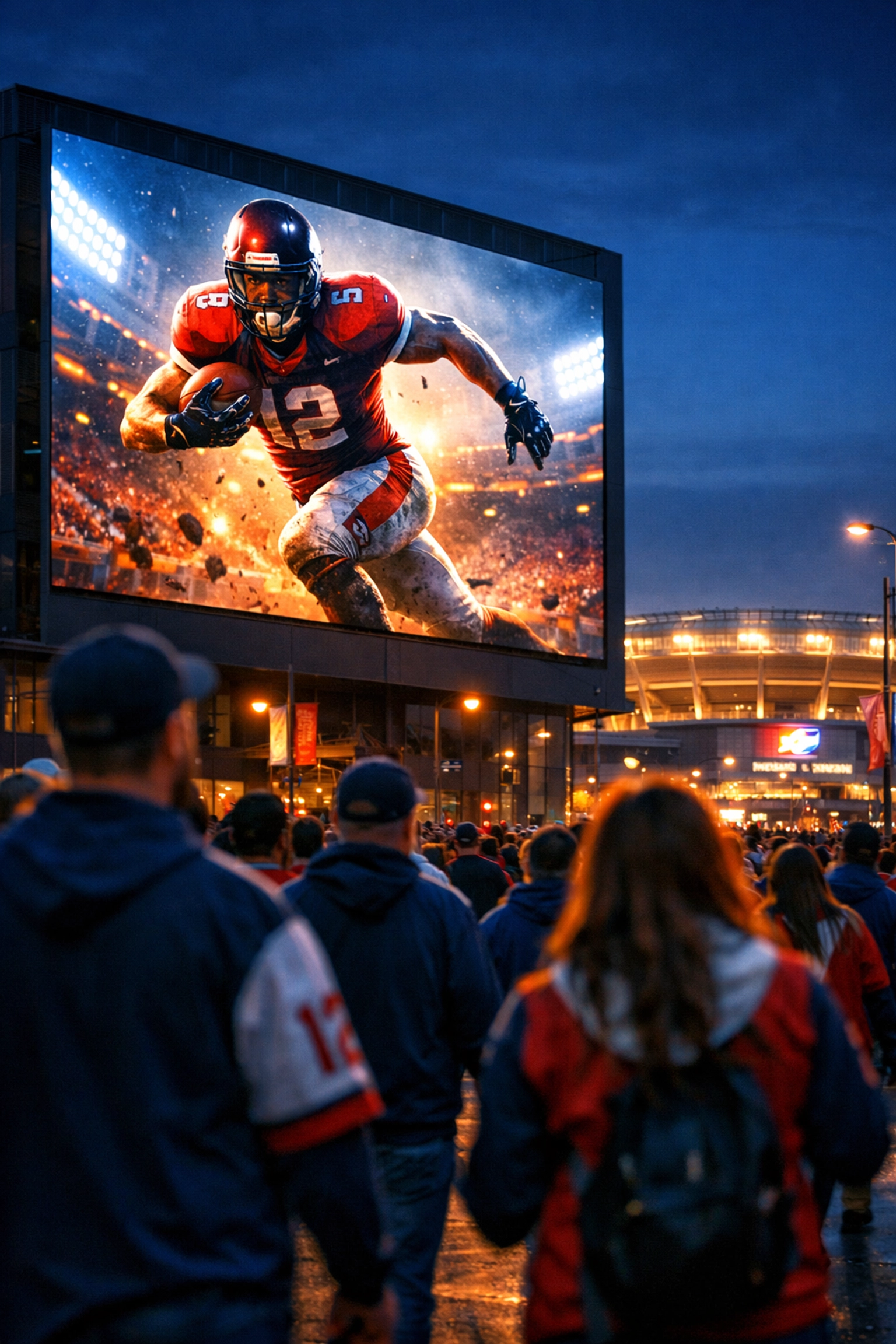
Many Creative Directors and CMOs rely heavily on social media and mobile apps to reach fans during games. While mobile penetration is high, the "second screen" is often a distraction rather than an engagement tool. During the most critical moments of a game, fans are looking up at the action or around the stadium, not down at their phones.
Relying solely on mobile advertising leads to fragmented attention. Programmatic Digital Out of Home (pDOOH) solves this by placing high impact visuals on large format screens that demand attention. By occupying the physical space around the fan, brands achieve a "first screen" prominence that mobile cannot replicate. Research indicates that this approach can lead to a 119 percent lift in positive brand image, as seen in campaigns for major beverage brands.
Mistake 3: Missing the Pre-Game and Post-Game Windows
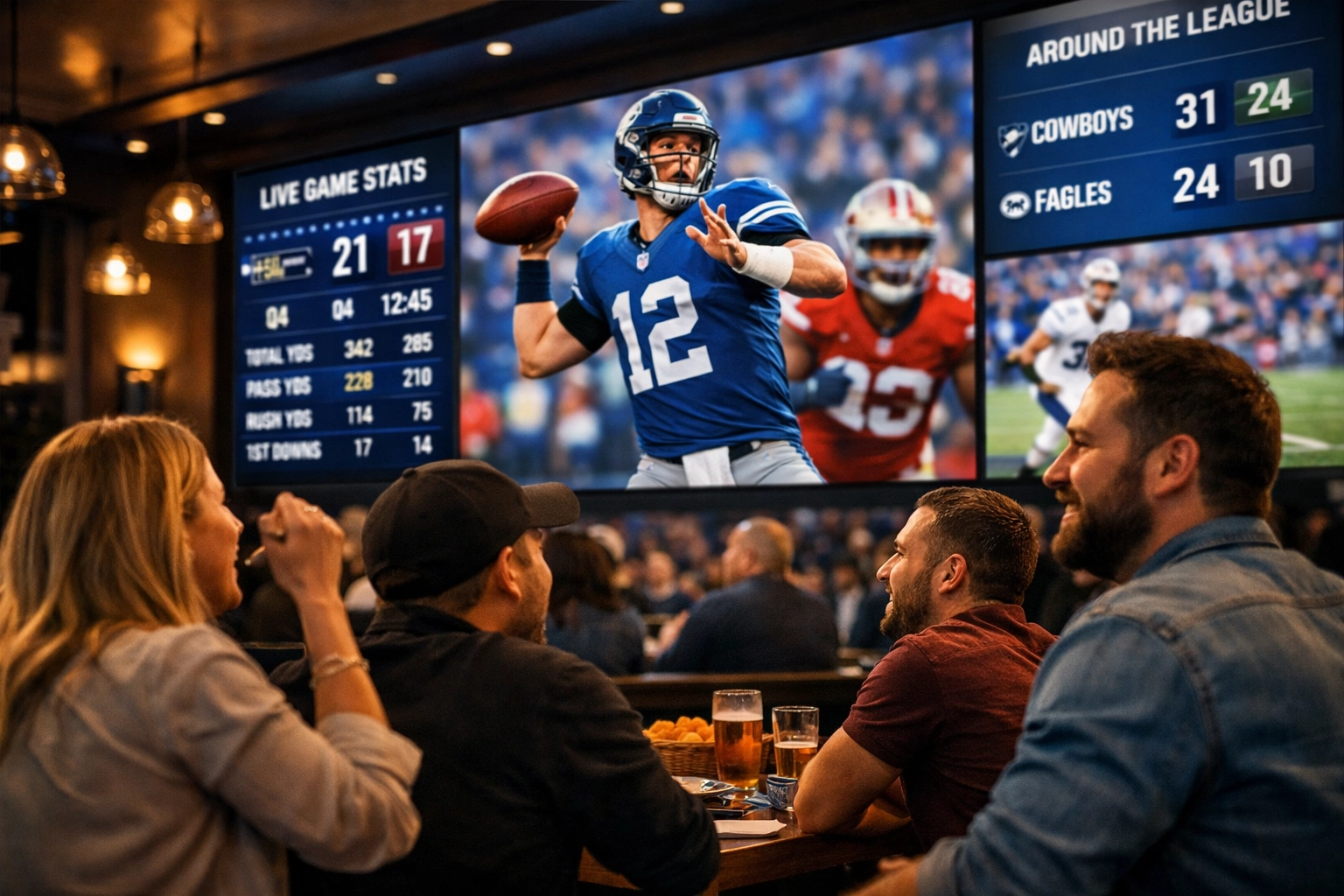
Fan engagement should not start at kickoff and end at the final whistle. The hours leading up to an event are filled with anticipation, travel, and social gatherings in bars and restaurants. Conversely, the post-game window is defined by celebration or communal reflection.
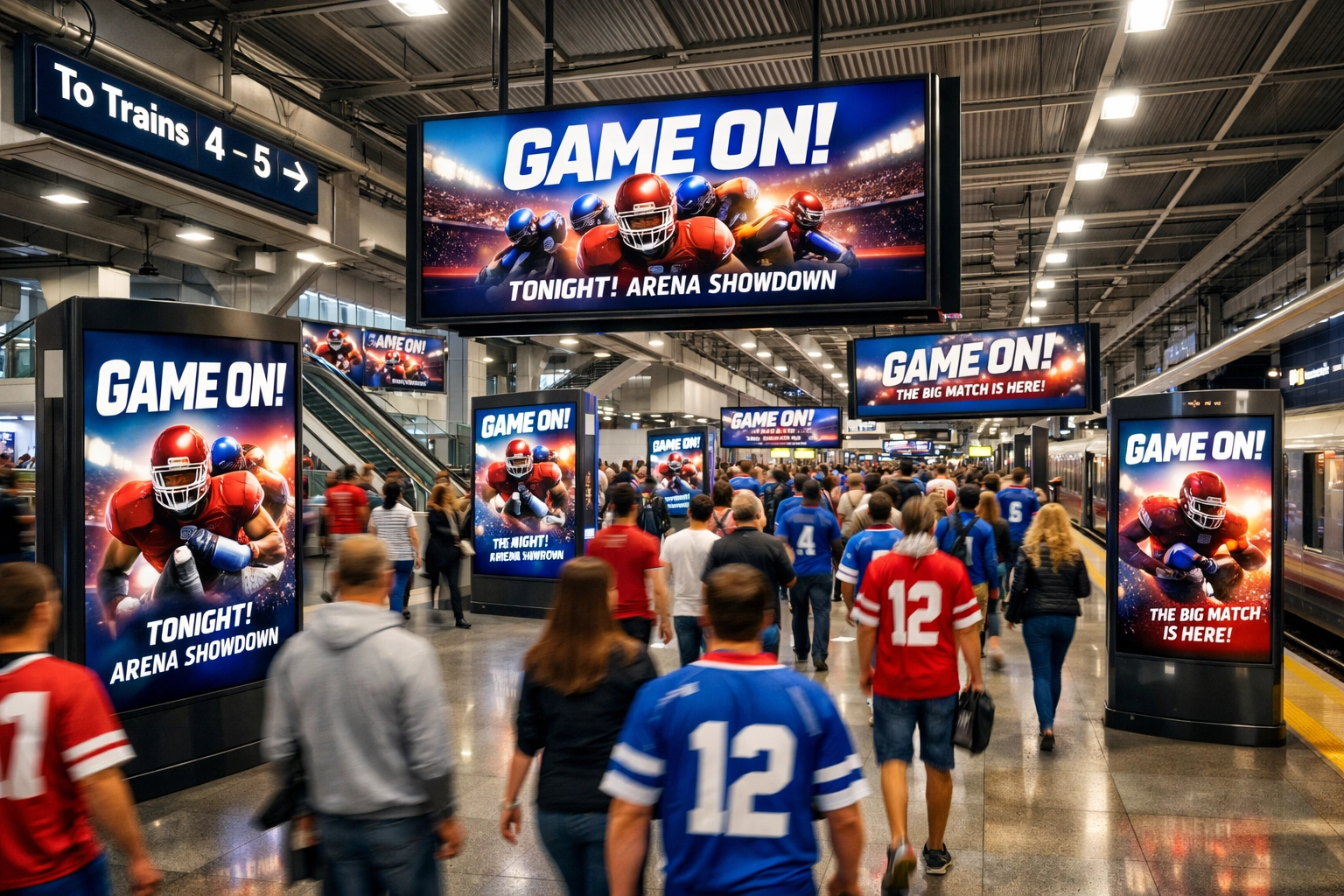
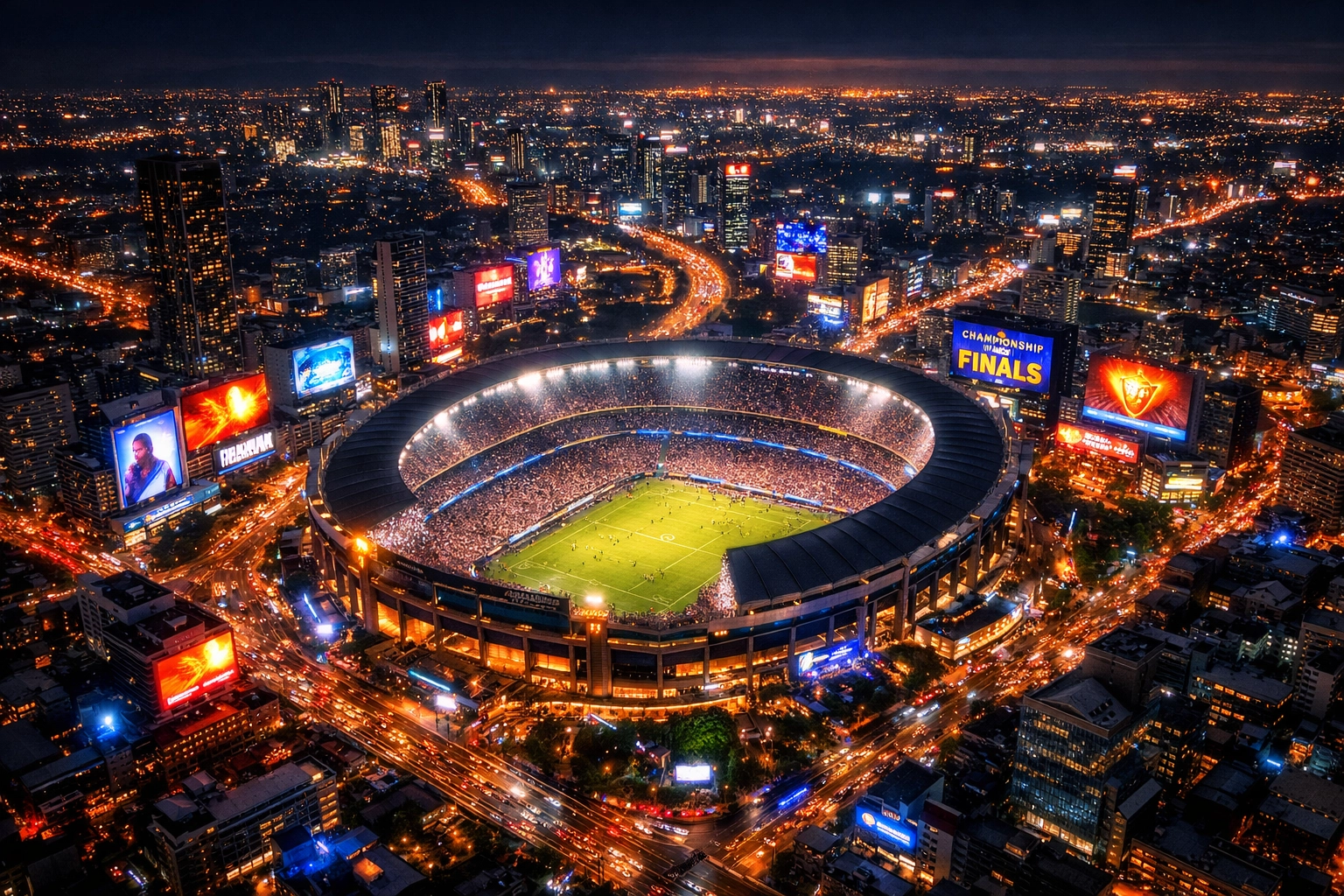
Many brands waste their budget by focusing only on the game time itself. The 10-Mile Zone addresses this by saturating the area surrounding the stadium. This includes screens at gas stations, convenience stores, transit hubs, and entertainment districts within a ten mile radius. This strategy ensures the brand is part of the entire "event day" narrative, not just the match.
Mistake 4: Static Creative in a Dynamic Environment
Running the same creative for an entire season leads to "ad blindness." Fans who attend multiple games or live in the area quickly tune out static messaging. In a sports context, the environment is constantly changing based on the score, the weather, and the momentum of the season.
The fix is programmatic flexibility. Using StackAdapt DSP for pDOOH allows marketers to swap creative in real time. This capability ensures that the messaging remains relevant, whether a team is on a winning streak or facing a crucial rivalry match.
Mistake 5: Neglecting Real-Time Contextual Triggers
Engagement is highest when advertising feels like a part of the conversation. Many brands fail to integrate live data into their OOH displays. If a brand is promoting a sports betting app, for example, showing static odds from three days ago is counterproductive.
Modern real time sports betting DOOH campaigns can update odds, scores, and player stats in under 24 hours or even in near real time. This contextual relevance transforms an advertisement into a valuable utility for the fan, significantly increasing the likelihood of conversion.
Mistake 6: Fragmented Geographic Targeting
Traditional OOH often involves buying specific boards and hoping they align with the target audience's path. This fragmented approach leaves gaps in the brand story. If a fan sees an ad five miles from the stadium but then encounters nothing for the rest of their journey, the brand impact is diluted.
The 10-Mile Zone strategy creates a "geofence of influence." By securing a high density of screens across all touchpoints within the zone, brands create a dominant presence. This surround sound effect ensures that the brand is the most visible entity in the fan’s physical world during their journey to the arena.
Mistake 7: Ignoring the Halo Effect of the Venue
There is a measurable "Halo Effect" associated with being present at a major sporting venue. Fans subconsciously associate brands seen in and around the stadium with the prestige and excitement of the event itself. Brands that fail to capitalize on this association miss out on a powerful psychological shortcut to credibility.
Even brands that are not official sponsors can benefit from this effect through strategic pDOOH. This was famously demonstrated when Nike achieved high brand association without being an official sponsor of a major marathon, simply by owning the outdoor space along the route.
The Solution: Implementing the 10-Mile Zone Fix
The 10-Mile Zone is a strategic framework designed to eliminate these seven mistakes. It focuses on the high density saturation of digital screens within a ten mile radius of a sports venue. This strategy works because it recognizes that the "stadium" is not just the building, it is the entire ecosystem of fans moving toward it.
Strategic Saturation
Instead of buying one billboard, the 10-Mile Zone utilizes thousands of digital touchpoints. This includes:
- Digital billboards on major highways leading to the venue.
- Screens inside bars and restaurants where fans congregate.
- Digital signage in transit hubs like train stations and airports.
- Point of purchase displays in convenience stores and liquor stores.
Data-Driven Precision
By utilizing geographically targeted DOOH strategies, brands can boost engagement by up to 90 percent. This is achieved by analyzing fan movement patterns and deploying ads on the screens that receive the highest foot traffic from the target demographic.
Measured Results and Attribution
The final step in fixing fan engagement is moving away from guesswork. Modern pDOOH allows for sophisticated measurement. By using mobile device IDs, brands can track how many people who were exposed to the 10-Mile Zone screens eventually visited a store, downloaded an app, or made a purchase.
Using AI powered analytics provides a level of transparency that traditional stadium sponsorships often lack. Marketers can now see the direct correlation between their OOH spend and consumer behavior, proving the ROI of the campaign with concrete data.
Conclusion
The evolution of fan engagement demands a more sophisticated approach than traditional signage can provide. By avoiding common mistakes like mobile over-reliance and static messaging, and embracing the 10-Mile Zone strategy, brands can create an inescapable presence during the moments that matter most.
The power of OOH Sports lies in its ability to blend the scale of traditional media with the precision of digital targeting. For Creative Directors and CMOs looking to break through the noise, the 10-Mile Zone offers a proven path to capturing the hearts and minds of the world’s most passionate consumers.
For more information on optimizing sports marketing budgets and exploring the future of stadium perimeter advertising, visit the OOH Sports sitemap or learn more about programmatic DOOH vs. traditional stadium ads.