
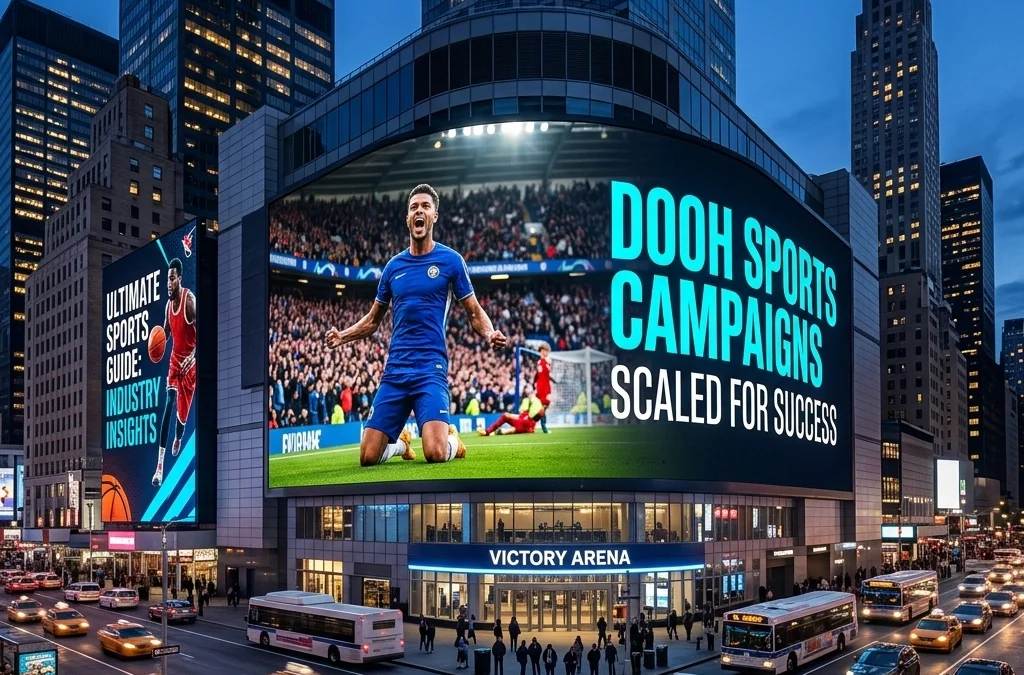
The landscape of advertising within the sports industry has undergone a radical transformation. Traditional static billboards and standard stadium signage are no longer the primary drivers of brand engagement. Instead, Digital Out of Home (DOOH) advertising has emerged as a cornerstone of modern media strategies. This guide provides a comprehensive analysis of industry insights, market trends, and strategic frameworks necessary to scale sports campaigns effectively.
The Evolution of the DOOH Market
The global DOOH market is currently in a mature growth phase, driven by rapid technological advancements and shifts in consumer behavior. Projections indicate that the industry is on a trajectory to reach significant valuations, with some estimates suggesting the sports advertising sector alone will hit $50 billion by 2030. This growth is fueled by the transition from traditional paper and vinyl displays to high resolution digital screens that offer greater flexibility and better measurement capabilities.
North America remains a dominant force in this space. Market data shows a steady climb in ad spend, with digital formats now accounting for over a third of total out of home revenue. For sports marketers, this shift represents an opportunity to move away from static, long term contracts toward more agile, data driven placements. The ability to update creative assets in real time allows brands to stay relevant during fast moving sporting events.
Strategic Advantage of Programmatic DOOH
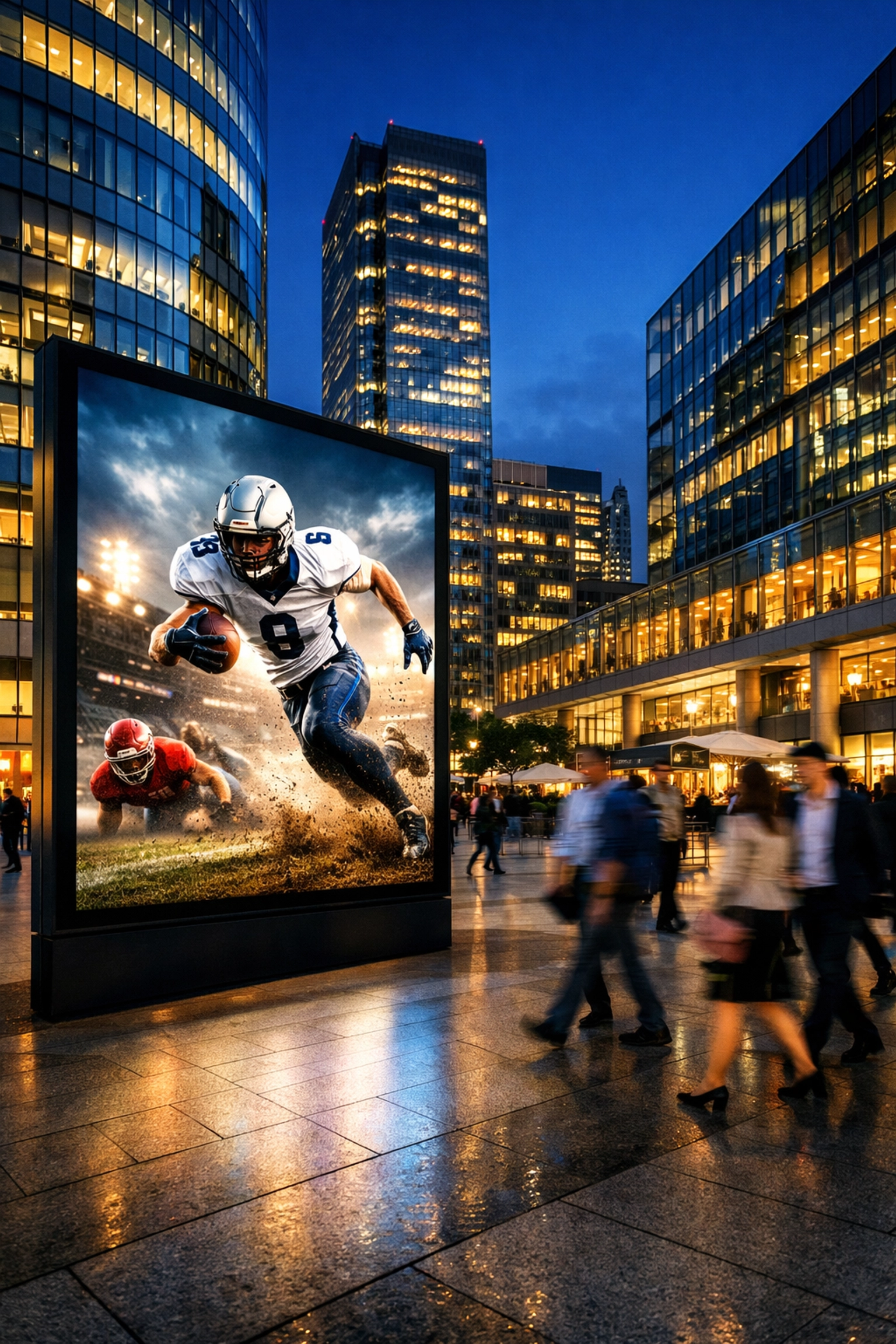
One of the most significant shifts in the industry is the rise of programmatic DOOH (pDOOH). This technology allows for the automated buying, selling, and delivery of ad inventory. Unlike traditional methods that require manual negotiations and long lead times, programmatic platforms enable advertisers to set specific parameters for their campaigns.
Key Benefits of Programmatic Execution:
- Efficiency: Automated workflows reduce the administrative burden of managing multiple outdoor assets.
- Flexibility: Campaigns can be paused, adjusted, or scaled instantly based on performance or external triggers.
- Targeting: Brands can use first party and third party data to trigger ads when specific audiences are most likely to be present.
- Budget Optimization: Advertisers only pay for impressions that meet their predefined criteria, ensuring a higher return on investment.
A comparison between programmatic DOOH and traditional stadium ads highlights that while stadium ads offer high visibility, programmatic options provide superior granularity and attribution. Platforms like StackAdapt have been instrumental in driving adoption by integrating DOOH into broader omnichannel campaigns, allowing for a seamless transition between mobile, desktop, and outdoor environments.
Real Time Data and Dynamic Creative
In the context of sports, timing is everything. DOOH excels in its ability to utilize dynamic creative optimization (DCO). This allows the content on a screen to change automatically based on external data feeds. For a sports campaign, this means a billboard can display live scores, countdown to kickoff, or react to a specific game outcome.
Research into current trends shows that real time personalization is a primary driver for campaign effectiveness. When a brand aligns its messaging with the immediate emotions and experiences of fans, the impact is significantly amplified. For instance, a beverage brand might trigger an ad featuring a celebratory message immediately following a local team's victory. This level of contextual relevance is difficult to achieve through any other medium.
Leveraging High Traffic Venues and Transit Hubs
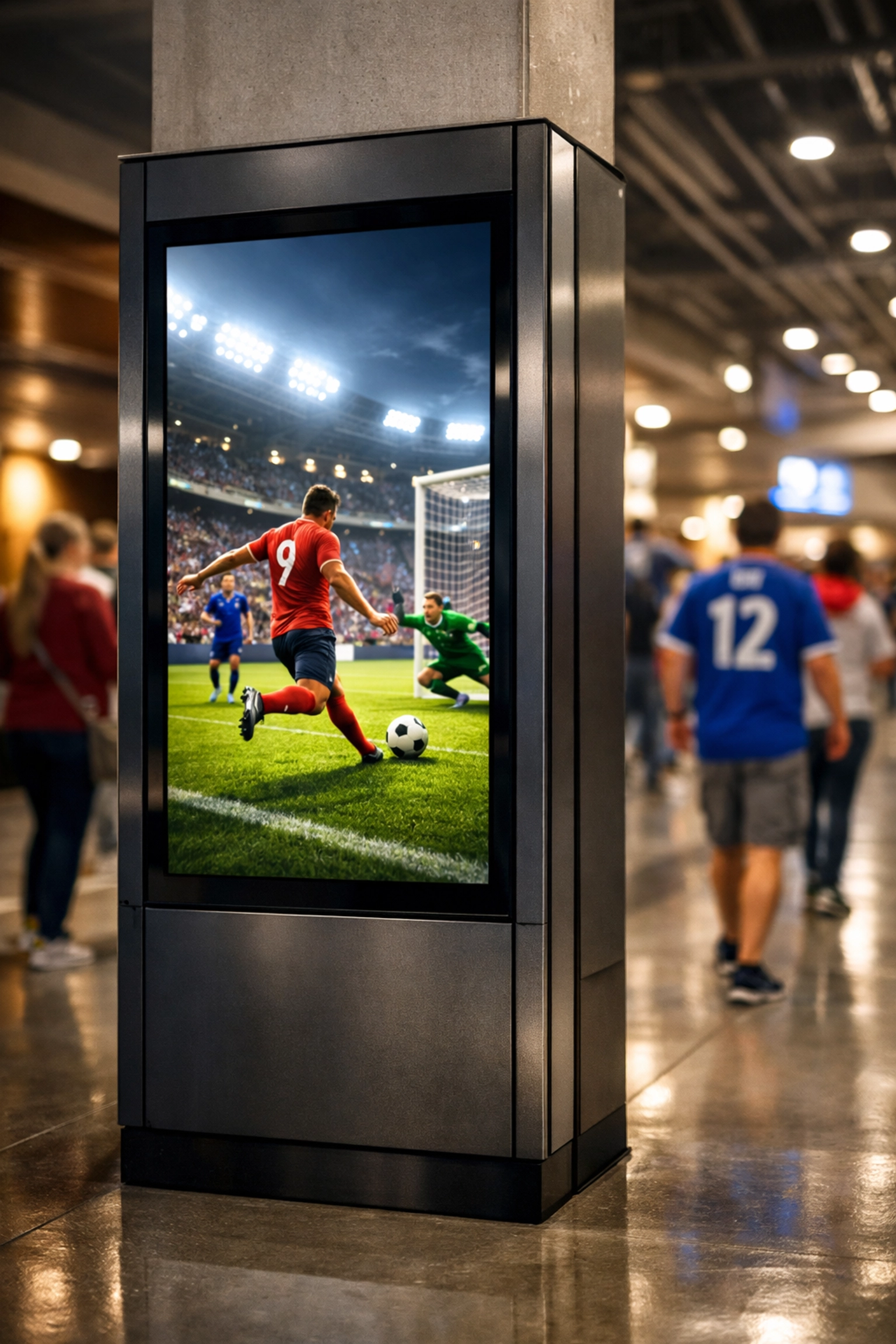
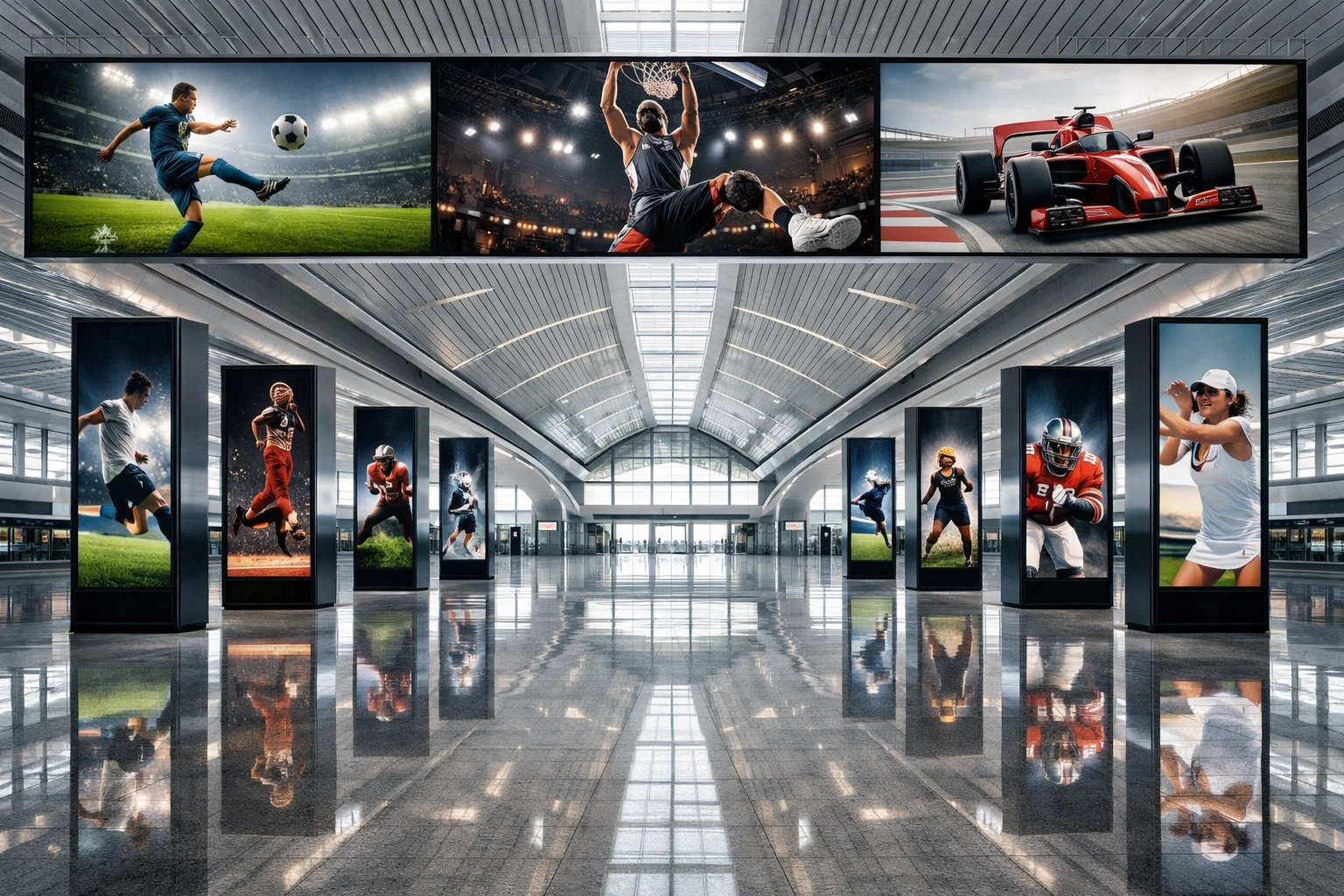
Scaling a sports campaign requires a strategic approach to placement. While the stadiums themselves are obvious choices, the surrounding ecosystem offers equally valuable touchpoints. Digital screens in transit hubs, airports, and urban entertainment districts capture fans as they travel to and from events.
Urbanization and the modernization of public infrastructure have led to a surge in digital billboard installations in key metropolitan areas. These high traffic locations provide consistent exposure to a diverse demographic. Integrating digital screens into transit systems is particularly effective for reaching commuters who are often checking scores or sports news on their mobile devices. This creates a powerful synergy between the physical screen and the consumer's personal digital experience.
Case Studies in Brand Lift and Purchase Consideration
The effectiveness of DOOH is well documented through various brand lift studies. These studies measure how exposure to digital outdoor ads influences consumer perception and behavior. Several notable campaigns demonstrate the power of this medium:
- Alcohol and Beverage Sector: White Claw utilized a programmatic DOOH campaign to launch a new vodka product. By targeting specific geographic locations and using data driven triggers, the campaign achieved a 74% lift in purchase consideration. Detailed analysis of this campaign can be found in the White Claw case study.
- Brand Image Improvement: AB InBev’s Mike’s Hard Iced Tea saw a 119% lift in positive brand image through a pDOOH campaign. The strategy focused on reaching consumers at relevant moments, proving that outdoor ads can significantly shift brand sentiment. Insights on this approach are available in the Mike's Hard Iced Tea report.
- Increasing Intent: Sea-Doo's first foray into digital out of home advertising resulted in a 144% increase in purchase consideration. This success highlights how even brands with niche products can use the broad reach of DOOH to find and influence their target audience. More information is available on the Sea-Doo campaign page.
Integration with Omnichannel Marketing
DOOH should not exist in a vacuum. The most successful sports campaigns integrate outdoor screens into a wider omnichannel strategy. This involves synchronizing messaging across social media, mobile apps, and digital billboards.
A common tactic involves using geofencing to retarget individuals who were exposed to a DOOH ad. For example, when a fan sees a Sportron display near a stadium, their mobile device ID can be captured anonymously. Later, that same fan can be served a follow up ad on social media or through a mobile app. This reinforces the message and moves the consumer further down the marketing funnel.
Nike demonstrated the power of "ambient" presence during the NYC Marathon. Despite not being an official sponsor, the brand used strategic OOH placements to create a dominant presence that made it indistinguishable from official partners. This strategy is explored in the article regarding Nike's marathon presence.
Measurement, Attribution, and ROI
One of the historical challenges of out of home advertising was the difficulty of measurement. However, modern DOOH has solved this through advanced data analytics and attribution modeling. Advertisers can now track foot traffic, website visits, and even in store purchases back to specific ad exposures.
Common Metrics for DOOH Include:
- Impressions: The total number of times an ad was likely seen, based on historical traffic data and real time sensors.
- Brand Lift: Measured through surveys that compare the awareness and intent of exposed versus non exposed groups.
- Conversion Rate: Tracking specific actions, such as app downloads or coupon redemptions, following an ad exposure.
- Device ID Attribution: Identifying mobile devices that were in the vicinity of a screen and subsequently visited a retail location or made a purchase online.
These metrics allow for a level of accountability that was previously reserved for digital display or search advertising. By analyzing these data points, brands can refine their marketing strategies and allocate budgets to the most effective locations and time slots.
Implementation and Execution Logistics
Executing a large scale DOOH campaign requires careful coordination. The process typically begins with identifying the target audience and selecting the appropriate inventory. Brands must consider the creative specifications for various screen types, as a highway billboard requires a different design approach than a vertical kiosk in a transit hub.
Working with specialized partners and platforms simplifies this process. These entities provide access to vast networks of screens and handle the technical aspects of ad delivery. For organizations looking to scale, the focus should be on creating a repeatable framework that can be deployed across different markets. This includes standardized creative templates and a consistent methodology for measurement.
Future Outlook for Sports Advertising
The future of DOOH in sports is defined by increased interactivity and immersion. Technologies such as augmented reality (AR) and 3D anamorphic displays are beginning to appear in major cities. These formats create a "spectacle" effect that encourages social sharing, further extending the reach of the campaign.
Furthermore, the integration of AI will continue to refine targeting capabilities. AI algorithms can analyze vast amounts of data to predict when and where sports fans will be most receptive to specific messages. As the industry moves toward more sophisticated data usage, the gap between traditional advertising and DOOH will continue to widen.
Organizations interested in exploring these opportunities can find additional resources on the OOH Sports blog or reach out via the contact page for tailored insights. For a deeper understanding of the company's background and operational standards, the about page and company policies provide further context.
By adhering to these industry insights and leveraging the latest technological tools, brands can scale their sports campaigns to reach fans with unprecedented precision and impact. The shift toward digital, data driven outdoor advertising is not just a trend; it is the new standard for effective sports marketing.