
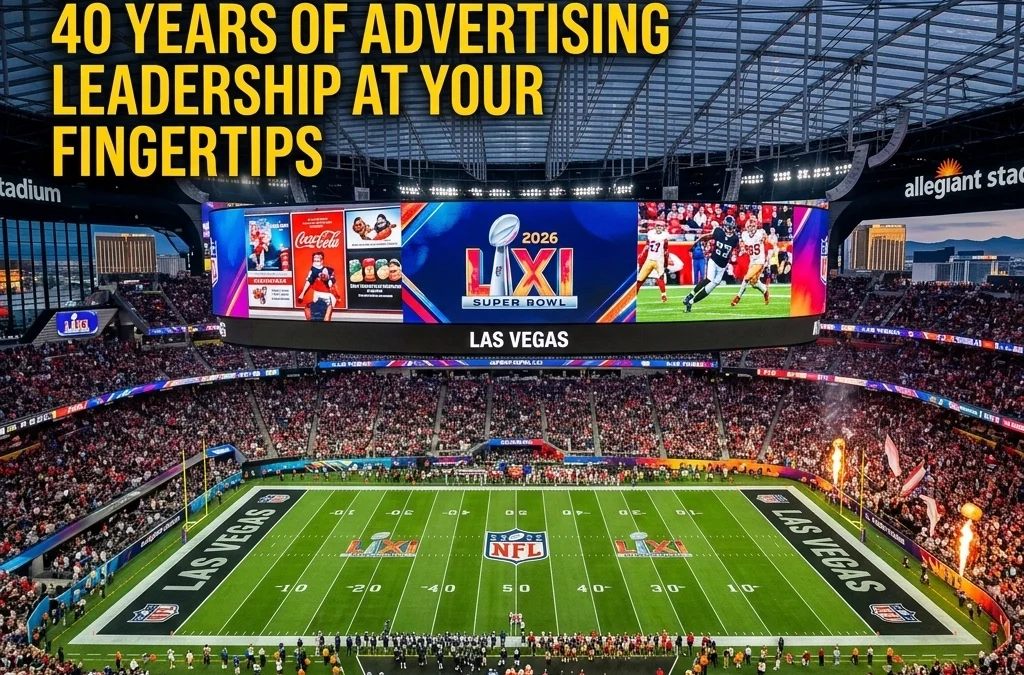
Super Bowl LX has officially entered the history books. As the dust settles in the stadium, we are looking back at a milestone year. For OOH Sports, 2026 represents more than just another game. It marks 40 years of leading the way in sports advertising. This year was a masterclass in how brands can take over a venue from the floor to the highest billboard.
Advertising during the big game has changed a lot since 1986. Back then, a few television spots and some paper posters were the standard. Today, the entire environment is a digital playground. If you were watching the game this February, you saw the result of decades of innovation. This guide explores how we got here and why venue-wide coverage is the new gold standard for major brands.
Forty Years of Changing the Game
Four decades ago, sports marketing was a different world. In the mid eighties, OOH Sports began with a simple idea. We wanted to help brands connect with fans where they are most passionate. Over the years, that mission has evolved from static signs to high tech digital displays that respond to the action on the field.
In 1986, the Super Bowl was a massive TV event, but the stadium experience was relatively quiet for advertisers. Fast forward to 2026, and the stadium itself has become the primary screen. We have moved from simple placements to fully integrated environments. This 40 year journey has taught us that timing and placement are everything. When a fan looks down at the floor or up at the scoreboard, there is an opportunity to tell a story.

The Super Bowl LX Advertising Landscape
The 2026 game saw some of the highest advertising costs in history. A 30 second television spot cost roughly $8 million. Some brands even paid over $10 million for premium slots. With costs this high, many companies looked for better ways to spend their budgets. This is where out of home (OOH) advertising shines.
Brands like Cadillac, Volkswagen, and Budweiser dominated the conversation this year. While their TV spots were impressive, their physical presence around the venue was what truly stayed with fans. By using a mix of digital billboards and interactive displays, these brands created a 360 degree experience. They did not just talk to the audience. They lived with them throughout the weekend.
Check out this look at how high impact visuals are changing the way we see sports:
https://www.youtube.com/watch?v=l6J-0zileKE
Venue Wide Coverage: From Floors to Billboards
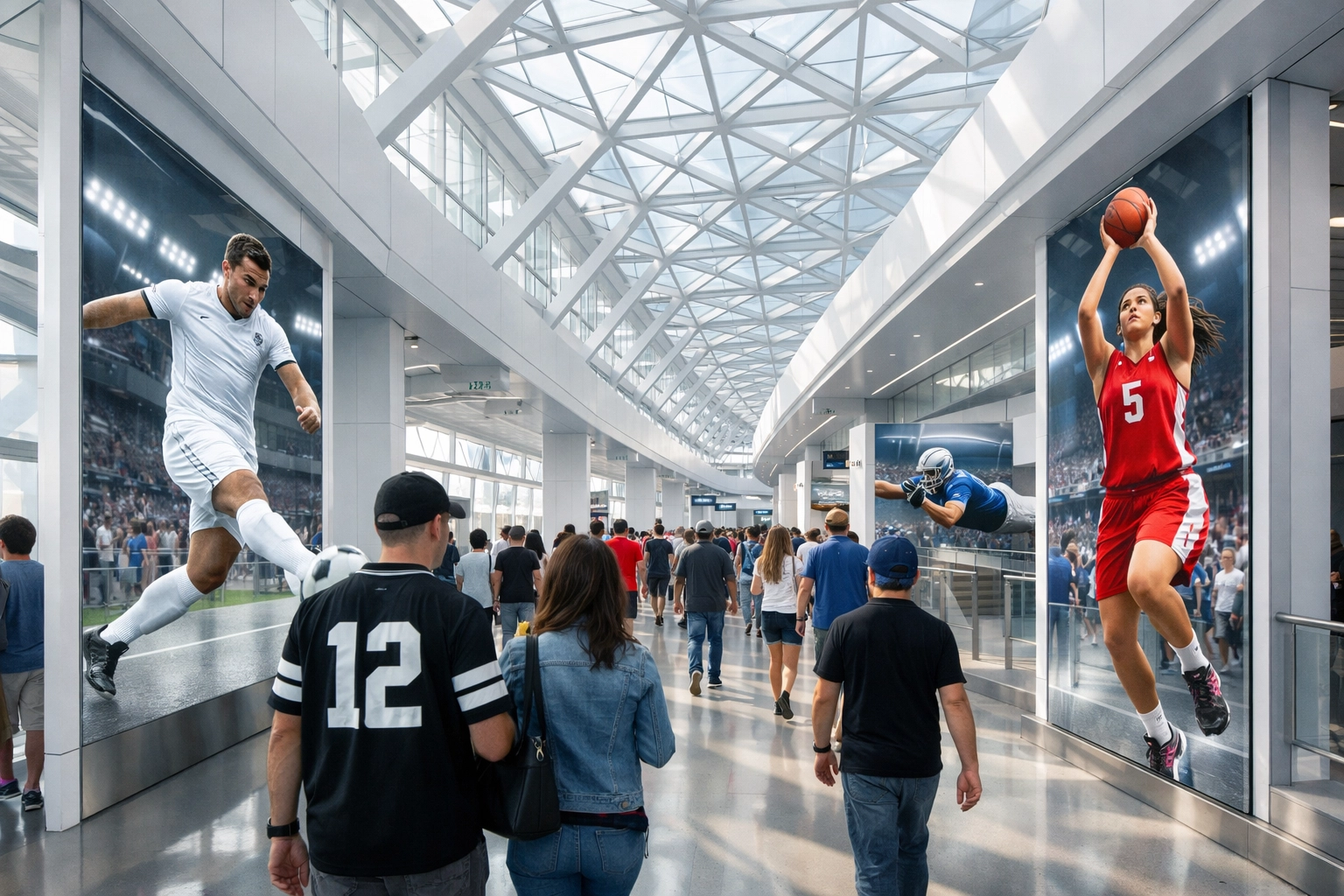
One of the biggest trends in 2026 was venue wide coverage. This strategy ensures that a brand is visible from every possible angle. It starts at the entrance and follows the fan all the way to their seat.
Interactive Floor Graphics
Floor graphics used to be simple vinyl stickers. Now, they are often interactive digital displays. In 2026, we saw floors that changed colors based on game play. When a touchdown happened, the entire concourse floor lit up with brand colors. This creates a visceral connection that a TV ad simply cannot match.
Digital Billboards and Sportrons
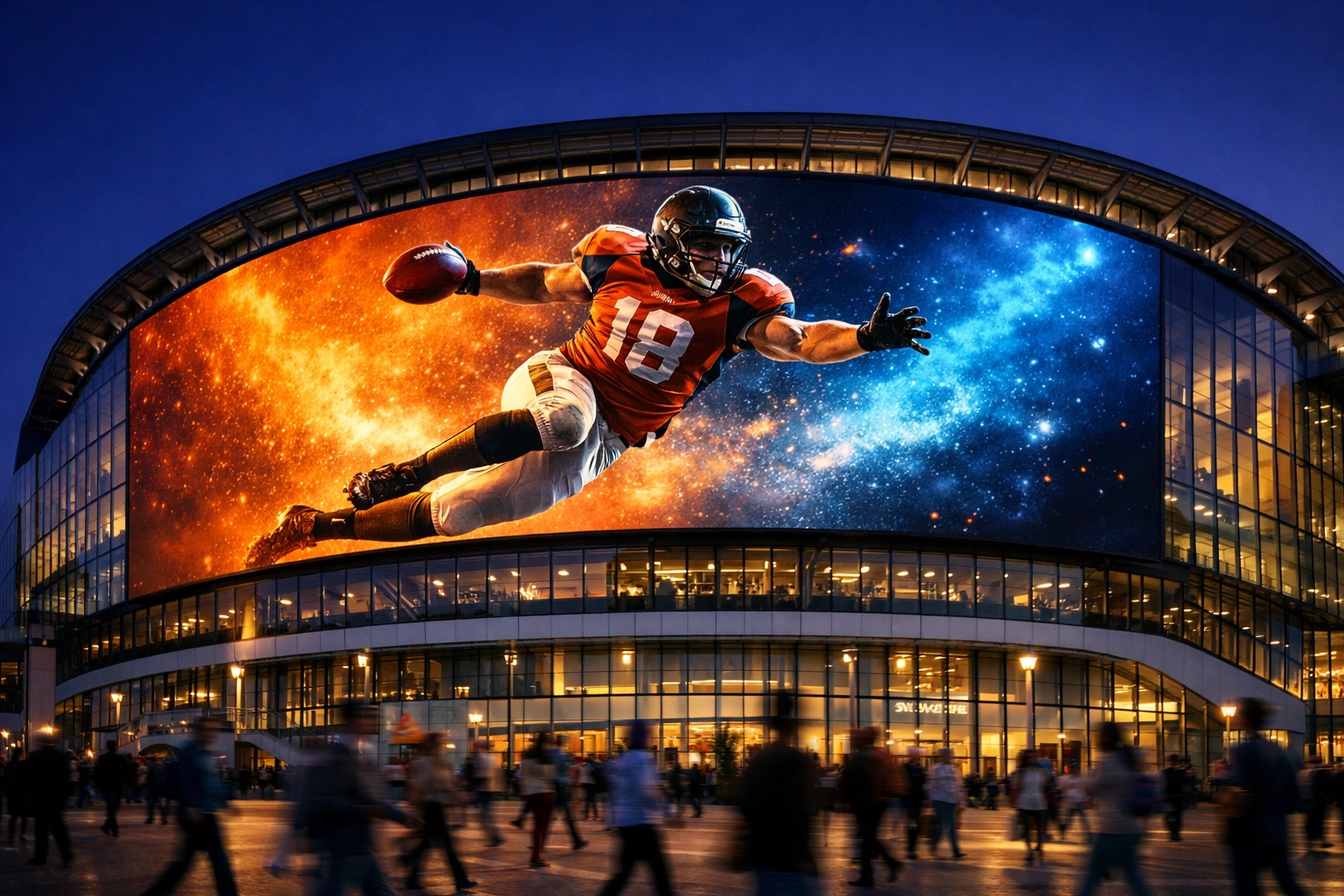
The sky is no longer the limit. Digital billboards around the stadium now sync with live data. Our Sportrons technology allows brands to update their messaging in real time. If a specific player is having a great game, the ads can pivot to feature that athlete instantly. This level of agility is why OOH Sports has remained a leader for 40 years.
Strategic Trends That Defined 2026
The advertising in 2026 was not just about being loud. It was about being smart. Three major themes emerged during this Super Bowl cycle.
1. The Integration of AI
Artificial Intelligence was everywhere this year. Brands used AI to create personalized messages for fans. Some displays used facial recognition to show different ads to different age groups as they walked by. This move toward transparency and humor in AI messaging helped brands build trust with a tech savvy audience.
2. Nostalgia Meets Innovation
Heritage brands leaned heavily into their history. Volkswagen revived its "Drivers Wanted" theme from the 90s, while Budweiser celebrated 150 years of American culture. By grounding their new tech in familiar stories, these brands reached both older and younger fans. You can see how this strategy works in our look at Nike's unofficial marathon presence.
3. Interactive Participation
Passive viewing is a thing of the past. In 2026, the most successful campaigns involved the fans. Skittles ran a campaign where an actor visited a fan's home instead of just appearing on screen. On site, fans could interact with digital kiosks to win prizes or appear on the stadium big screens.
Data Driven Results and Programmatic Success
In 2026, we do not guess if an ad worked. We prove it. Programmatic Digital Out of Home (pDOOH) has changed the way we measure success. By using device IDs and location data, we can see exactly how many people saw an ad and what they did next.
For example, our case study on White Claw showed a 74 percent lift in purchase consideration. Similar results were seen during the Super Bowl LX weekend. Brands that used programmatic targeting saw much higher engagement than those that relied on broad, un-targeted placements.
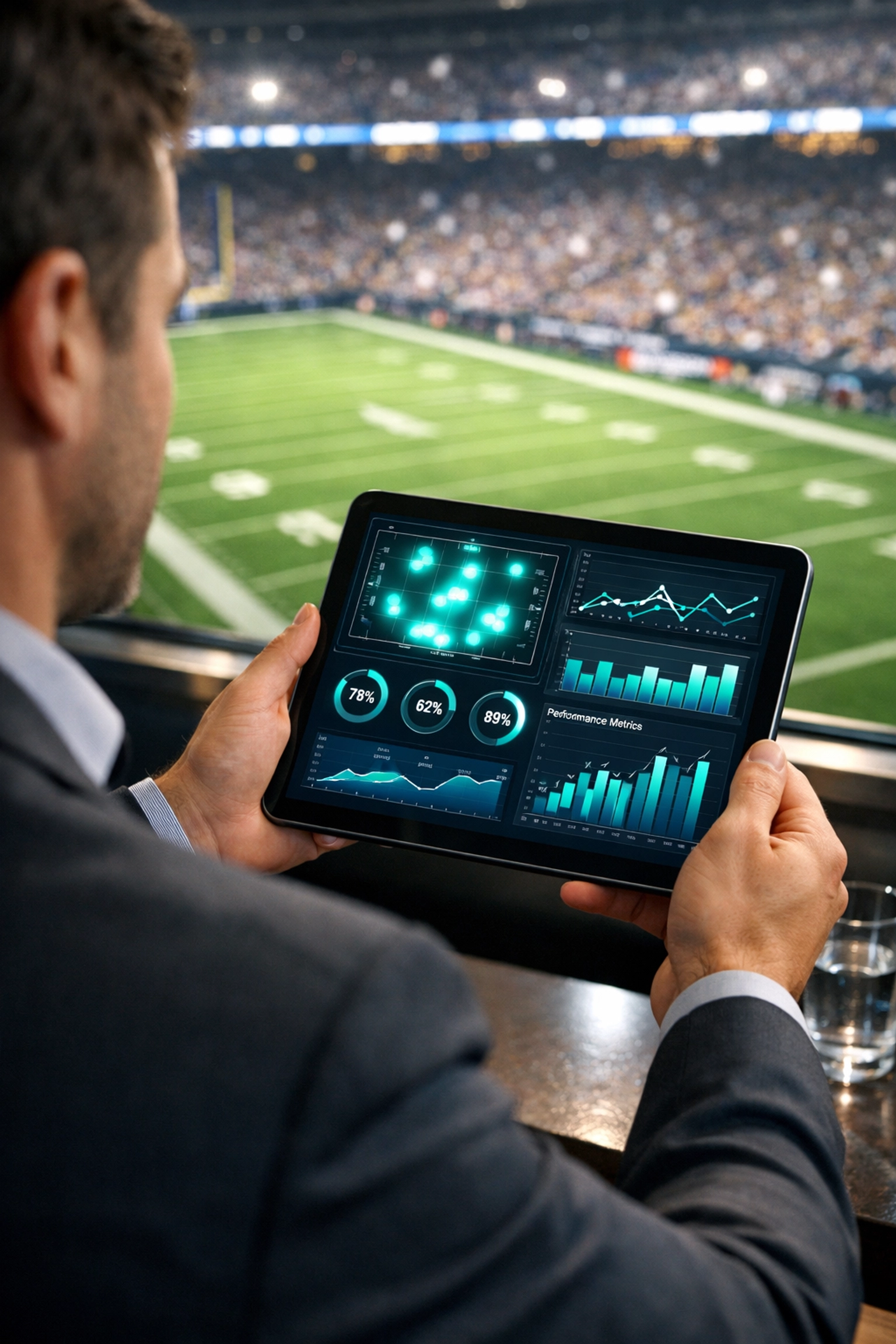
The use of platforms like StackAdapt allowed advertisers to buy space in the stadium just as they would buy a Facebook ad. This ease of use is driving more brands into the sports space every day.
The Road to 2030
As we look past the 2026 game, the future of sports advertising is incredibly bright. Estimates suggest that DOOH sports advertising will hit $50 billion by 2030. We are already preparing for this growth by developing new ways to capture attention.
Our strategy involves seven key pillars to help brands capture their share of this massive market. From augmented reality overlays on the field to biometric engagement tracking, the next four years will likely bring more change than the last forty.
Why OOH Sports Leads the Way
OOH Sports has stayed at the top for 40 years because we understand the fans. We know that a fan at the Super Bowl is there for an experience. Our job is to enhance that experience, not interrupt it. Whether it is through a massive billboard or a subtle floor graphic, we ensure the brand becomes part of the memory.
We offer comprehensive services including:
- Marketing Strategy for major league events.
- Advanced Sportrons digital displays.
- In depth Case Studies to guide your next campaign.
- Full compliance with Company Policies and Privacy Standards.
The Super Bowl is the ultimate stage, but the lessons we learn there apply to every campaign we run. If you want to see how 40 years of expertise can transform your brand's presence, contact us today.
Final Thoughts on Super Bowl LX
The 2026 Super Bowl was a landmark event for the advertising industry. It proved that despite the high cost of entry, the ROI remains unmatched when you have the right strategy. By focusing on venue wide coverage and leveraging the latest in digital technology, brands were able to dominate the conversation.
As we move forward into the rest of 2026, the leadership of OOH Sports remains focused on innovation. We invite you to explore our blog for more insights on how to win in the world of sports marketing. Here is to another 40 years of breaking records and setting new standards in advertising excellence.