
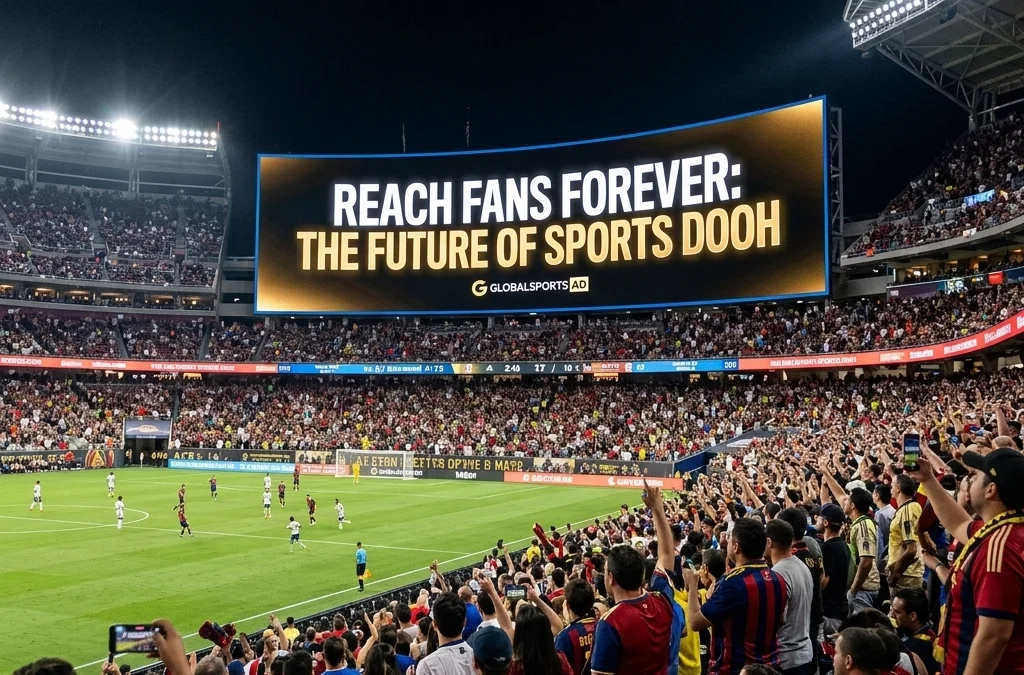
Sports marketing has long been defined by the roar of the crowd and the static signage lining the outfield walls. For decades, brands have sought to capture the attention of loyal fans through sponsorships that were often set in stone months before a single play was made. However, the rise of Digital Out-of-Home (DOOH) advertising is fundamentally altering this landscape. By blending the physical presence of traditional advertising with the speed and data of digital media, Sports DOOH is becoming a primary tool for media buyers and brand managers.

The Evolution of Fan Engagement
The traditional model of sports advertising relied on broad exposure. A logo on a scoreboard or a static billboard near a stadium offered high visibility but lacked the ability to adapt to the narrative of the game. In today's market, fans expect a more integrated and responsive experience. DOOH technology provides the flexibility to meet these expectations by delivering content that is relevant to the moment.
Sports fans are a unique demographic. Research indicates that 81 percent of consumers feel more positively toward brands that sponsor the sports they love. This emotional connection creates a prime opportunity for advertisers. When a brand shows up in a way that respects and enhances the fan experience, the results are significant. Statistics show that 90 percent of fans who see out-of-home (OOH) ads take some form of action, and 61 percent engage with the brand on social media.
Real Time Responsiveness and Emotional Priming
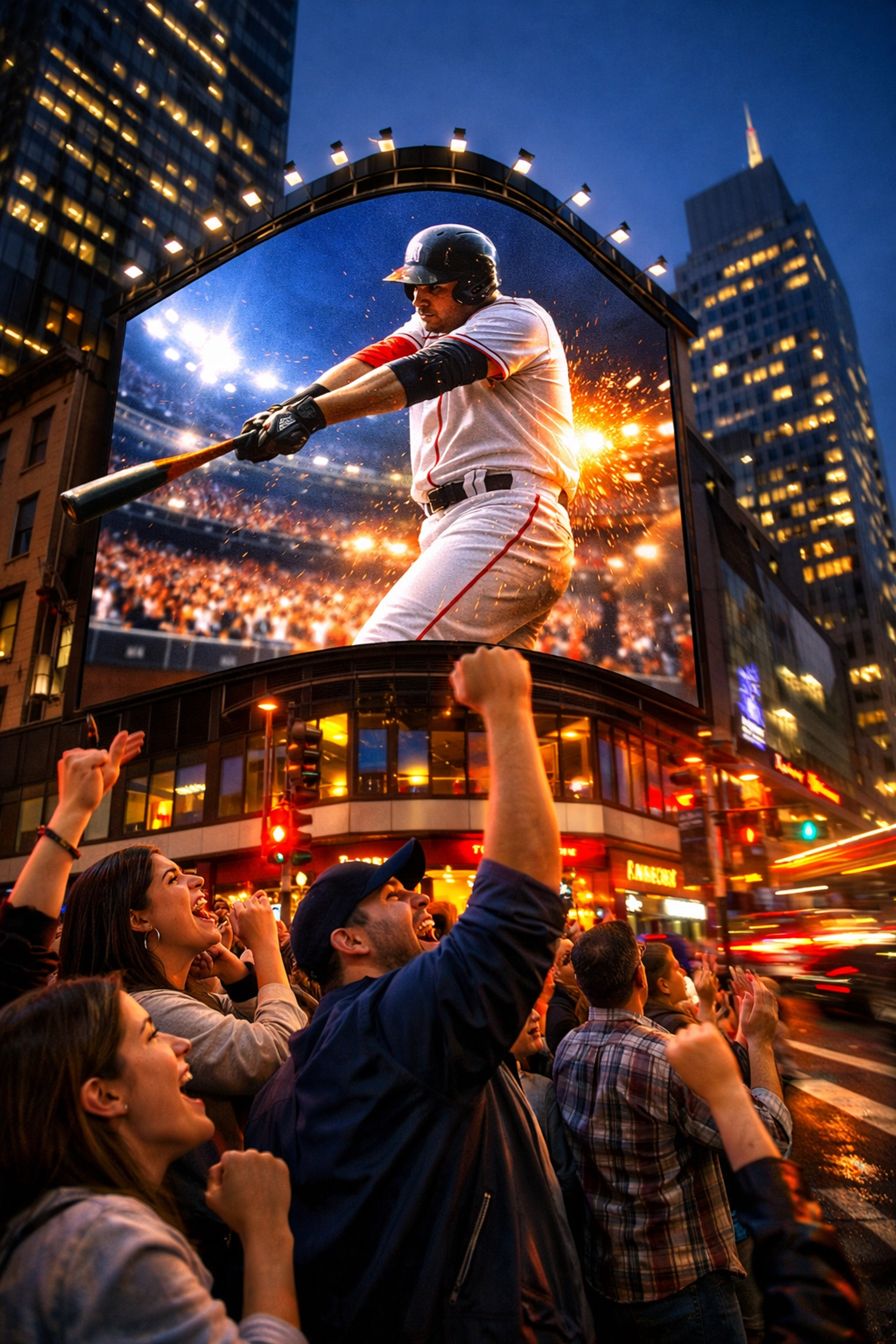
The most transformative aspect of Sports DOOH is its ability to react in real time. Through programmatic technology, advertisements can change based on live game data. If a local team scores a touchdown or hits a walk-off home run, digital screens across a city can instantly update to celebrate the moment.
This level of responsiveness allows brands to participate in the cultural conversation of sports. Instead of simply being a background element, the advertisement becomes a part of the event. This emotional priming is a powerful tool. When a fan is at a peak level of excitement due to a win, seeing a celebratory message from a brand reinforces a positive association. This strategy moves beyond simple awareness and into the territory of brand affinity.
Mapping the Fan Journey
One of the biggest misconceptions about sports marketing is that it only happens inside the stadium. In reality, the fan journey begins hours before the game and continues long after the final whistle. Sports DOOH allows brands to reach fans at multiple touchpoints throughout their day.
- The Pre-Game Build-Up: Digital screens in transit hubs, commuter routes, and residential areas can display countdowns to the game or promote game-day specials. This builds anticipation and places the brand at the forefront of the fan's mind before the event even starts.
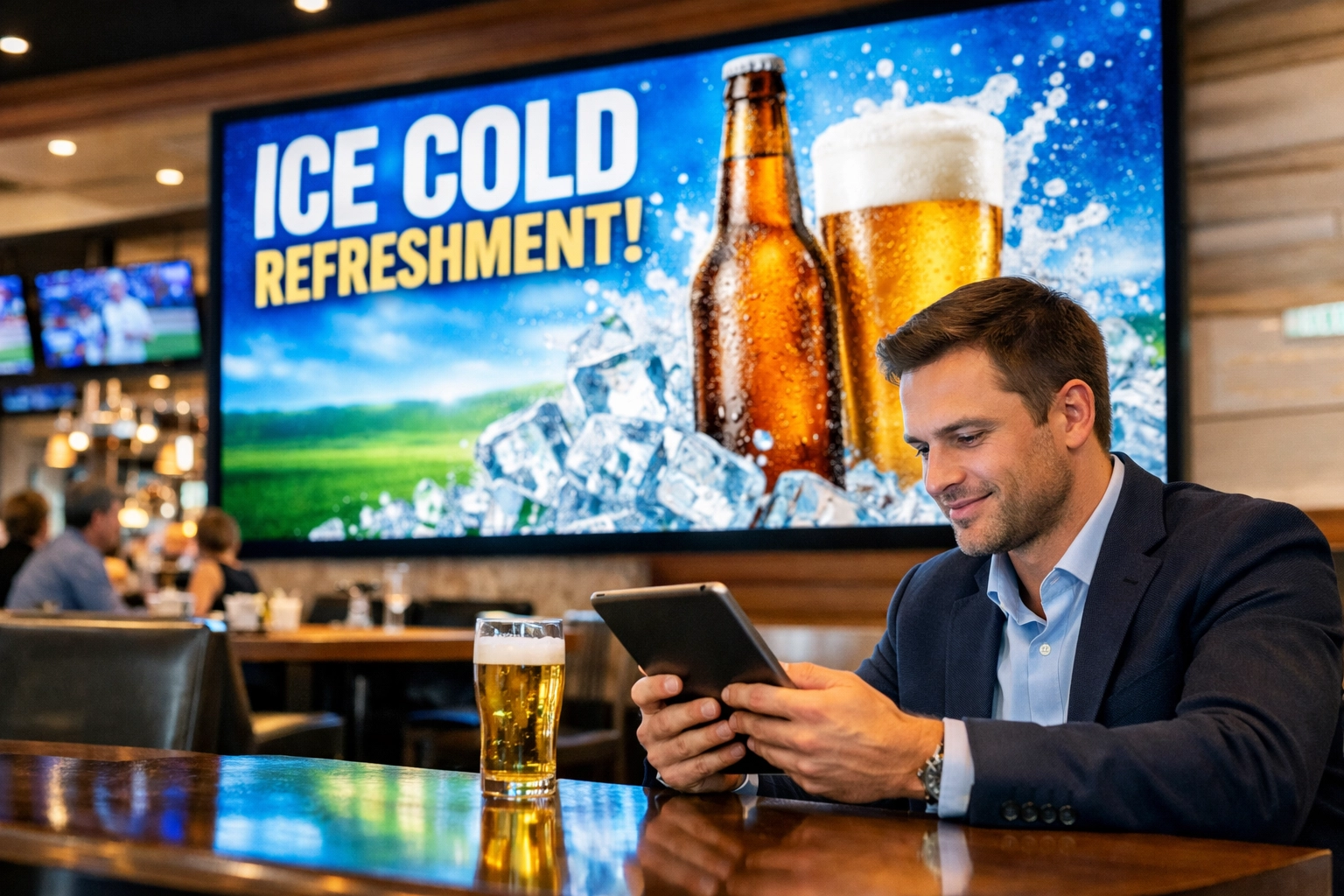
- The On-Premise Experience: While some fans are in the stadium, a massive portion of the audience watches games at sports bars and restaurants. It is estimated that 91 percent of adults aged 21 to 34 watch games at these on-premise venues. DOOH screens in these locations provide a direct line to a captive and engaged audience.
- The Post-Game Celebration: After the game, screens in high-traffic city centers and nightlife districts can display messages that congratulate the winning team or offer celebratory promotions. This ensures the brand remains relevant during the post-game analysis and social gatherings.
By using OOH Sports to coordinate these efforts, media buyers can create a seamless narrative that follows the fan from their home to the venue and back again.
Data Driven Targeting and Programmatic Precision
The shift toward programmatic DOOH has introduced a level of precision previously unavailable in outdoor advertising. Media buyers can now use data to determine exactly where and when their ads should appear. This is not just about choosing a location; it is about choosing the right moment.
For example, a brand might choose to increase its ad spend only when the home team is playing at home or when weather conditions are perfect for an outdoor event. Programmatic platforms allow for the automation of these decisions. By setting specific triggers, such as "only display when the temperature is above 70 degrees" or "only display in the two hours leading up to a game," brands can ensure their budget is spent as efficiently as possible.
This precision also extends to audience measurement. Through the use of anonymized mobile location data, advertisers can track how many people were exposed to a specific screen and whether those individuals later visited a retail location or a website. This closed-loop attribution is a game-changer for proving the ROI of sports marketing campaigns.
Driving Measurable Brand Lift
The success of DOOH in sports is not just theoretical. Data from various campaigns shows significant increases in brand metrics. For instance, a programmatic DOOH campaign for a major beverage brand saw a 74 percent lift in purchase consideration during a product launch. Another campaign focused on iced tea reported a 119 percent lift in positive brand image.
These results are possible because DOOH cuts through the digital clutter. While consumers often ignore or block ads on their mobile devices and computers, a large-scale digital screen in a physical environment is harder to miss and less intrusive. It provides a shared experience for fans, which is a core component of sports culture.
Strategic Implementation for Brand Managers
To successfully leverage Sports DOOH, brand managers should focus on a few key strategies:
- Integrate with Mobile: Use DOOH as the "anchor" of a campaign and supplement it with mobile retargeting. If a fan is exposed to a digital billboard near a stadium, following up with a mobile ad later that evening can reinforce the message and drive conversion.
- Use Dynamic Creative: Don't settle for a static image on a digital screen. Use the technology to its full potential by incorporating live scores, social media feeds, or weather-triggered content.
- Think Local: Sports are inherently local. Tailoring creative to specific cities, teams, or even neighborhoods can make a brand feel more authentic and connected to the community.
- Focus on Context: Place ads where they make the most sense for the product. A sports drink brand should be near gyms and stadiums, while a lifestyle brand might focus on transit hubs and entertainment districts.
For those looking to dive deeper into these strategies, the marketing resources at OOH Sports provide a roadmap for navigating this evolving landscape.
The Future of the Stadium Experience
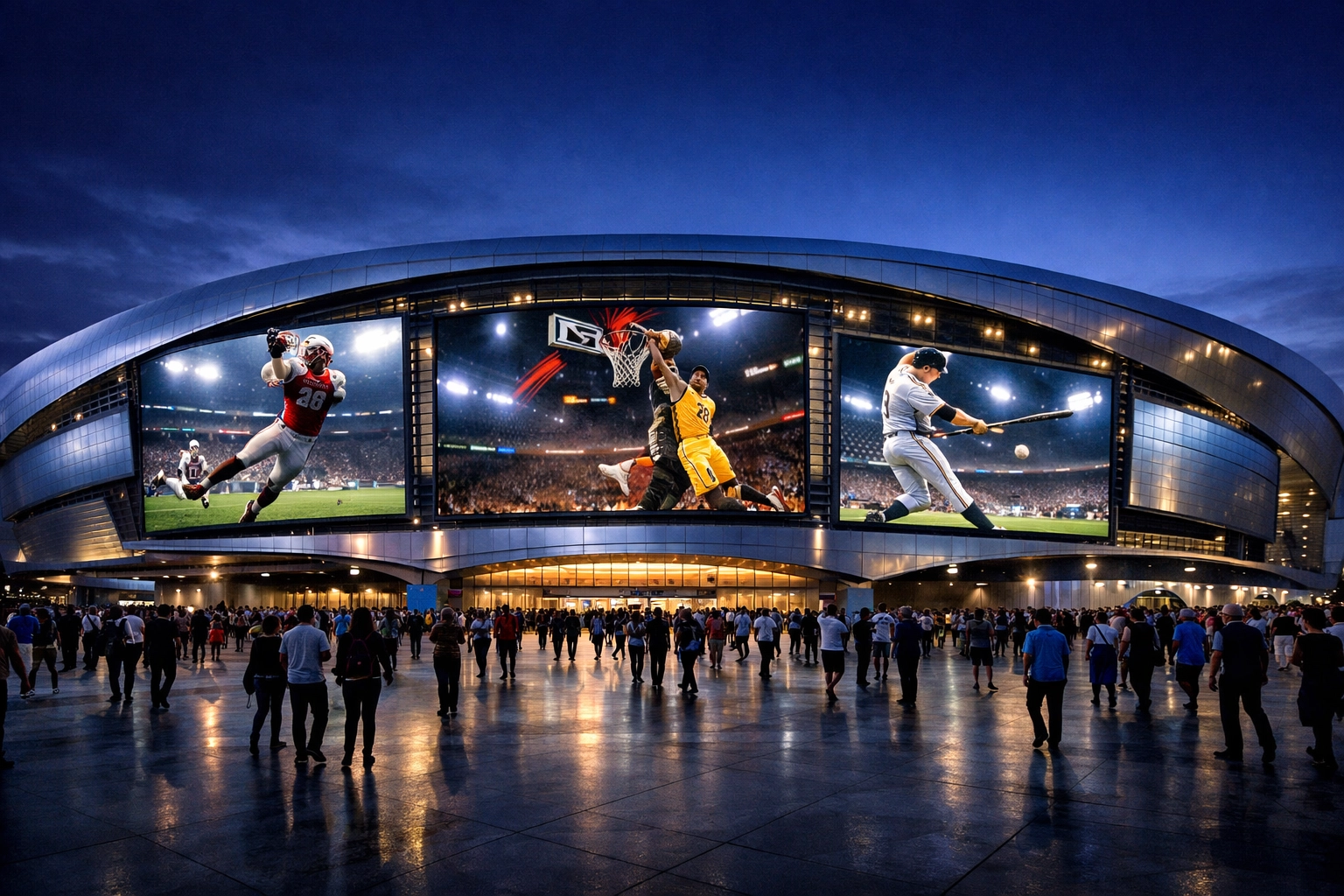
As technology continues to advance, the line between the physical stadium and the digital world will continue to blur. We are seeing the rise of "Sportrons," which are specialized digital screens designed specifically for sports environments. These units offer high-resolution displays and the ability to integrate directly with stadium data feeds.
The goal is to turn the entire city into a branded arena. By coordinating screens across a metropolitan area, a brand can create a dominant presence that is impossible to ignore. This level of scale, combined with the flexibility of digital creative, is why DOOH is no longer just an alternative to traditional media: it is the new standard.
Conclusion: A New Era for Media Buyers
The world of advertising is often fragmented, with brands struggling to find meaningful ways to connect with consumers who are increasingly distracted. Sports DOOH offers a solution by tapping into one of the last bastions of live, communal engagement: sports.
By utilizing the precision of programmatic buying and the emotional power of live events, brands can reach fans in a way that is both impactful and measurable. Whether it is through a case study showing massive lifts in purchase intent or the strategic use of sportrons, the evidence is clear. Digital out-of-home is not just changing the way we reach fans; it is changing the way fans experience the brands they love.
For media buyers and brand managers, the opportunity is vast. Moving away from static, one-size-fits-all messaging toward dynamic, data-driven storytelling is the key to winning in this new era of sports marketing. As the industry moves toward an estimated 50 billion dollar market by 2030, those who embrace these innovations today will be the ones who lead the market tomorrow.