
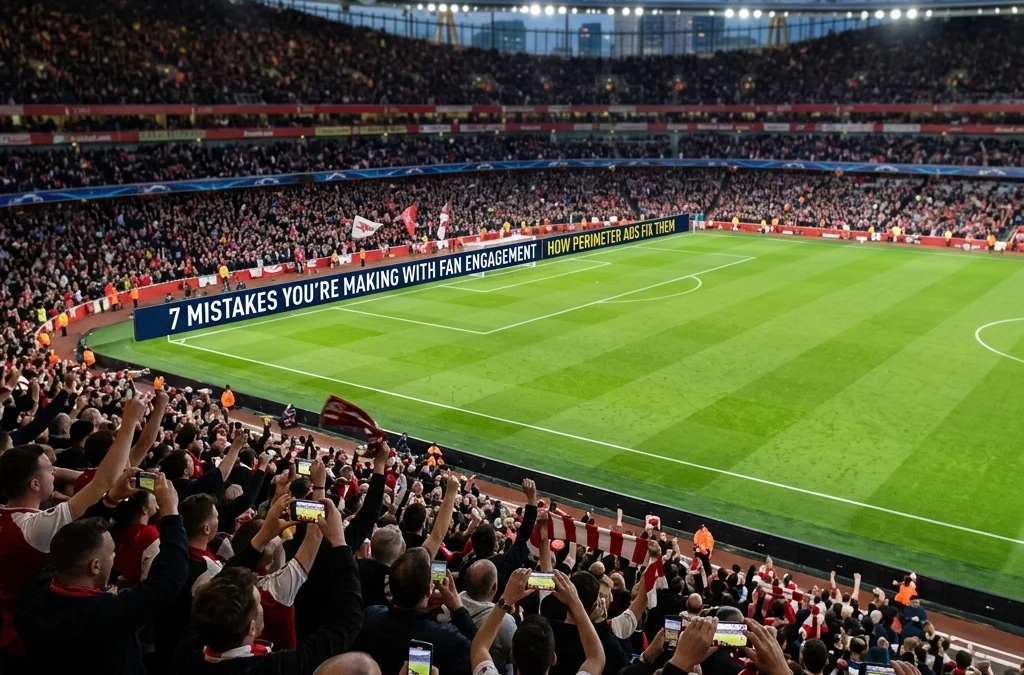
Fan engagement in professional sports is a high-stakes environment where every second counts. For creative directors and CMOs, the stadium represents a unique opportunity to capture the undivided attention of a passionate audience. However, traditional approaches to sports marketing often fall short because they rely on outdated methods that fail to resonate with the modern fan.
As the landscape of advertising shifts toward digital integration, the power of stadium perimeter advertising has emerged as a critical tool for brands. By leveraging programmatic technology, companies can avoid common pitfalls and create meaningful connections with viewers. This article outlines seven frequent mistakes made in fan engagement and demonstrates how digital perimeter ads offer a strategic solution.
1. Treating Sports Fans Like Generic Consumers
A common strategic error is deploying standard brand messaging that could appear in a shopping mall or on a highway billboard. Sports fans are not generic consumers. They are individuals experiencing high levels of emotional investment and tribal loyalty. When a brand fails to acknowledge the specific context of the game, the message often feels intrusive or irrelevant.
Perimeter ads fix this by integrating the brand into the field of play. Because these screens are physically located where the action happens, the brand becomes a part of the event narrative. Rather than interrupting the experience, the advertising exists within the same visual plane as the athletes. This positioning allows brands to align themselves with the passion of the fan base, moving from being a mere advertiser to a participant in the sporting culture.
2. Over-Reliance on Social Media for Live Engagement
Many marketing strategies lean heavily on social media to reach fans during live events. The assumption is that fans are constantly checking their phones for updates or to share content. While mobile usage is high, research indicates that during the most critical moments of a game, eyes are focused on the field, not the screen. A goal, a touchdown, or a buzzer-beater causes fans to look up, making mobile ads ineffective during peak emotional periods.
Stadium perimeter ads capture attention exactly when it is most valuable. These displays are unskippable and cannot be blocked by software. They offer high visibility during live play, ensuring that a brand is the primary visual anchor when the audience is most engaged. By focusing on the physical environment of the stadium, brands capture the "eyes on the ball" moments that digital-only campaigns miss.

3. Ignoring the Power of the Emotional Peak
Timing is a critical component of fan engagement. Many campaigns schedule messaging for halftime or commercial breaks when fans are often away from their seats or distracted. This ignores the emotional peaks of the event. A brand message delivered during a lull has significantly less impact than one delivered during a moment of high tension or celebration.
Perimeter advertising allows for strategic placement during these natural highs. Because these ads are visible throughout the duration of the play, they benefit from the heightened state of the audience. When the crowd is cheering, the brand is visible in the background of every replay and every live broadcast shot. This creates a subconscious association between the brand and the positive emotions of the victory.
4. Maintaining a Static Messaging Strategy
In the past, stadium advertising was limited to static boards that remained the same for an entire season. This leads to ad blindness, particularly among season ticket holders and frequent attendees who become accustomed to the visual environment. A static message cannot adapt to the changing narrative of a season or the specific stakes of an individual match.
The transition to programmatic digital out-of-home (DOOH) technology solves this issue. Platforms like OOH Sports allow brands to update creative assets in real-time. This flexibility means a brand can change its messaging based on the score, the opponent, or even the weather. A dynamic strategy ensures that the content remains fresh and relevant, preventing the brand from fading into the background.
5. Failing to Sync Messaging Across Channels
A major mistake in modern sports marketing is treating in-stadium advertising and digital retargeting as separate silos. When a fan sees a perimeter ad but receives no follow-up, the engagement journey ends prematurely. Conversely, receiving a mobile ad without the initial prestige of an in-stadium presence can result in lower trust and brand authority.
The fix lies in an omnichannel approach. Brands can use perimeter ads as the primary hook to establish authority and then use mobile retargeting to drive conversion. For example, fans exposed to a brand in the stadium can be reached later with a specific offer on their mobile devices. This integrated strategy has been proven to increase purchase consideration. A study on Sea-Doo’s digital OOH campaign showed a 144% increase in purchase consideration by effectively leveraging targeted visibility.
6. Underestimating the Prestige of Perimeter Positioning
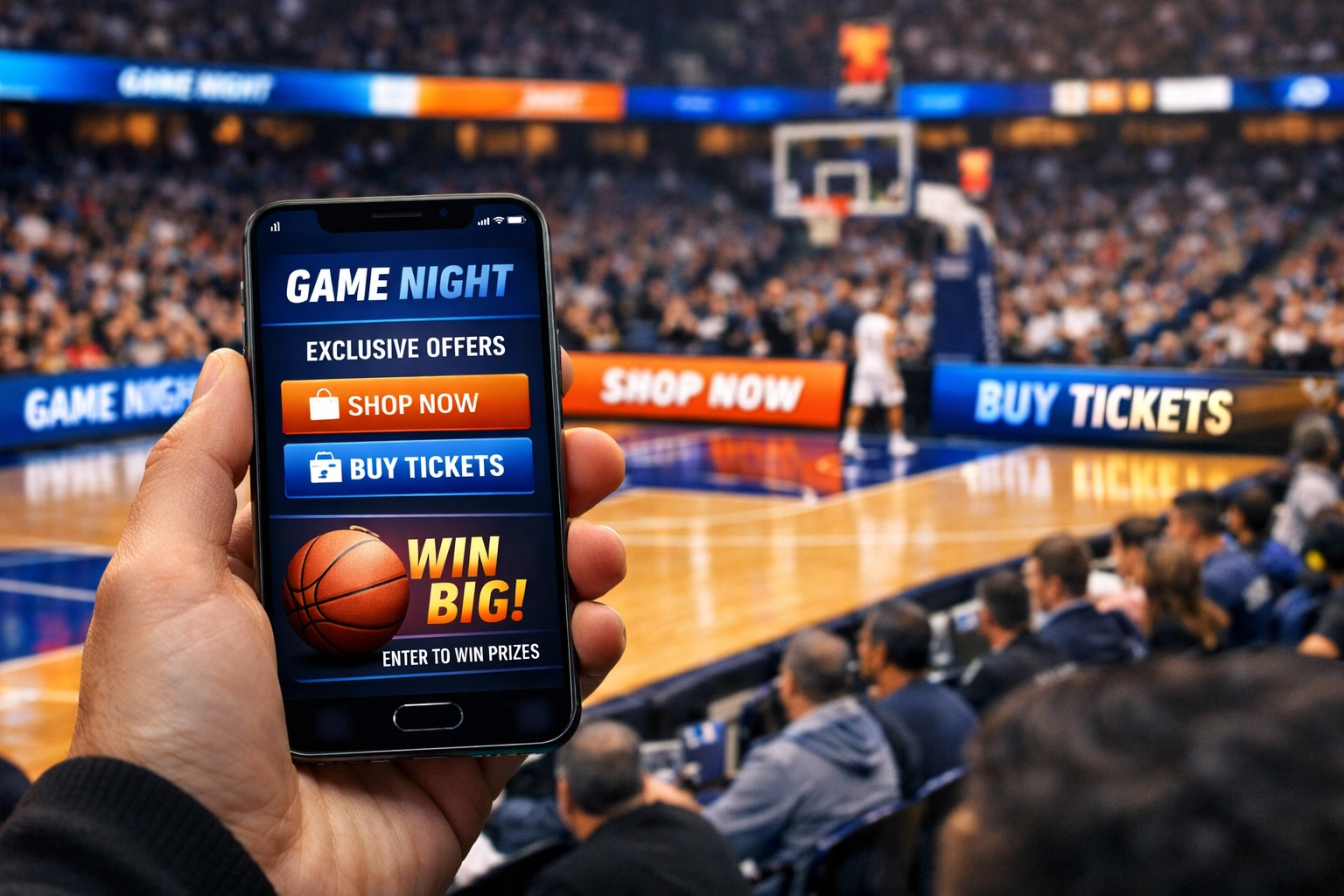
Some brands view perimeter boards as secondary background elements. This is a tactical misunderstanding of how fans perceive the "field of play." Positioned courtside or pitch-side, these ads carry a level of prestige that standard billboards cannot replicate. Fans subconsciously associate the brands they see next to professional athletes with the same level of excellence and professional success.
This "halo effect" is a powerful branding tool. By occupying the most sought-after real estate in sports, a brand signals its status as a major player in the industry. Even if a brand is not an official team sponsor, clever placement can create the perception of a high-level partnership. This was demonstrated in how Nike maintained a dominant presence at major events without being the official sponsor, simply by dominating the visual environment of the participants.
7. Neglecting Real-Time Contextual Triggers
The final mistake is setting a rigid advertising schedule that ignores the reality of the game. If a brand is promoting a refreshing cold drink but the game is taking place during a cold rainstorm, the message loses its punch. Similarly, betting brands often miss out by not adjusting their creative to match the shifting odds as the game progresses.
Perimeter ads powered by AI and programmatic data can respond to real-time triggers. This includes changing the creative based on which player has the ball, the current score, or even environmental factors. This level of precision ensures that the advertising is always contextually appropriate. For brands in the beverage space, this relevance is key. White Claw’s programmatic campaign saw a 74% lift in purchase consideration by using data-driven targeting to reach the right audience at the right time.
Objective and Strategy
To achieve success with stadium perimeter advertising, a clear objective and strategy must be established. The goal is typically to move beyond simple brand awareness and toward brand preference and purchase intent.
Strategy Components:
- Audience Segmentation: Identifying the specific demographics of the fans in the stadium and the viewers at home.
- Creative Alignment: Developing visual assets that complement the fast-paced nature of the sport. Bold text and high-contrast colors are prioritized to ensure legibility from a distance.
- Programmatic Execution: Using automated platforms to buy and display ads based on specific game conditions or time slots.
- Measurement and Attribution: Utilizing device ID tracking and brand lift studies to quantify the impact of the campaign.
Technology and Execution
The execution of modern perimeter campaigns relies on a sophisticated tech stack. Digital LED boards surround the field, capable of displaying high-definition video and animations. These boards are connected to centralized servers that allow for near-instantaneous creative swaps.
The use of programmatic DOOH allows media buyers to treat stadium screens with the same precision as online display ads. Campaigns can be triggered by external data feeds, such as live score updates or social media trends. This technology ensures that the brand remains a live part of the conversation rather than a static bystander.

Results and Impact
The impact of shifting from traditional engagement methods to dynamic perimeter advertising is measurable and significant. Data-driven campaigns consistently outperform static ones in several key areas:
- Brand Image: Brands using dynamic stadium ads often see a significant boost in how they are perceived by the public. For instance, Mike’s Hard Iced Tea recorded a 119% lift in positive brand image through a well-executed programmatic DOOH strategy.
- Purchase Consideration: By capturing fans at their emotional peak, brands can move them closer to a purchase decision.
- Visual Dominance: Perimeter ads ensure that a brand is present in social media shares and broadcast highlights, extending the reach of the campaign far beyond the stadium walls.
Strategic Conclusion
Fan engagement is not about competing for attention; it is about joining the fan in their experience. By avoiding the common mistakes of generic messaging and over-reliance on mobile screens, brands can use stadium perimeter advertising to build lasting connections. Through the use of programmatic technology and real-time data, OOH Sports provides the tools necessary to turn every game into a high-impact branding event.
In the competitive world of sports marketing, the brands that win are those that understand the value of being exactly where the fans are looking. Perimeter ads offer that visibility, providing a prestigious, dynamic, and effective platform for modern brands to thrive.