
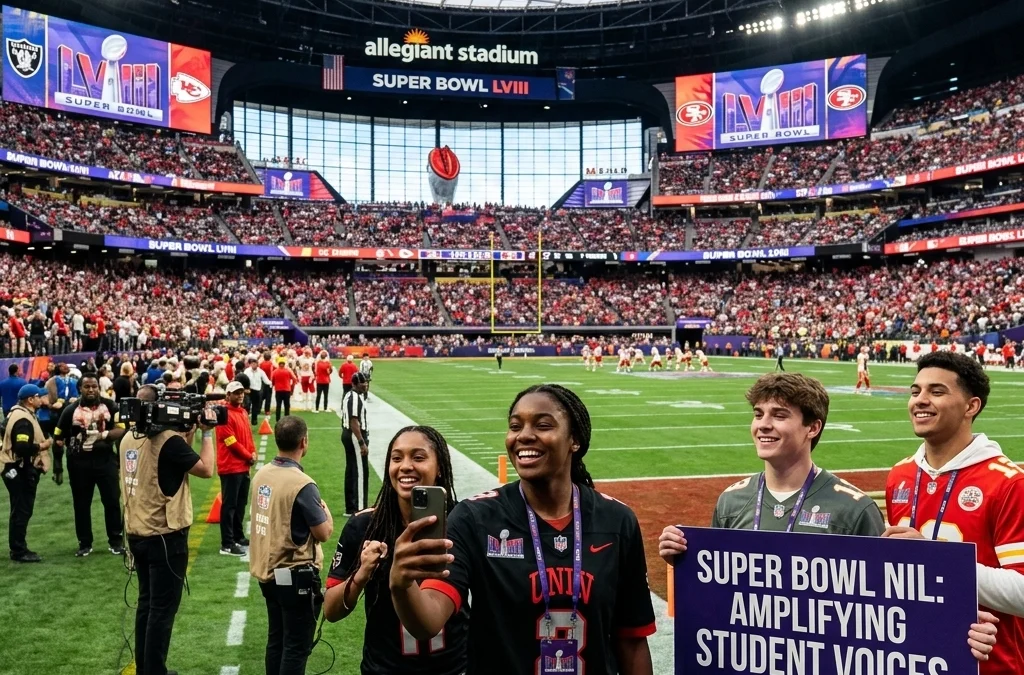
The advertising landscape for Super Bowl 2026 has shifted away from singular, high-cost television spots toward decentralized, high-engagement digital strategies. As media buyers look for ways to maximize impact without the massive entry price of traditional broadcast media, Name, Image, and Likeness (NIL) partnerships have emerged as the primary vehicle for brand success. By leveraging a platform that connects with over 20,000 student-athlete voices, brands can achieve a level of authenticity and reach that was previously unattainable.
The Shift Toward NIL in Sports Advertising
The sports marketing industry is witnessing a significant transition. According to industry projections, sports advertising is expected to reach substantial milestones in the coming years. For instance, projections suggest that sports advertising will hit $50 billion by 2030. Within this growth, the most notable trend is the move from brand-centric messaging to fan-centric content driven by authentic voices.
Traditional Super Bowl ads provide reach, but they often lack the personal connection required to convert younger demographics. In contrast, student-athletes represent a trusted source of influence. When 20,000 individual voices share a coordinated message, the result is a fragmented yet unified digital presence that dominates social media feeds, search results, and community discussions.
The Core Objective: Authenticity at Scale
The primary objective for any Super Bowl 2026 campaign is to achieve authenticity at scale. This involves more than just hiring a high-profile professional athlete. It requires a network of student-athletes who maintain high engagement rates within their specific niches.
Using an NIL platform allows media buyers to bypass the logistical nightmare of manual negotiations. The platform centralizes the process, enabling a brand to activate thousands of voices simultaneously. This strategy ensures that the brand message is delivered by individuals who have a genuine connection to their followers, rather than through a corporate spokesperson.
Strategy: Engaging 20,000 Student Voices
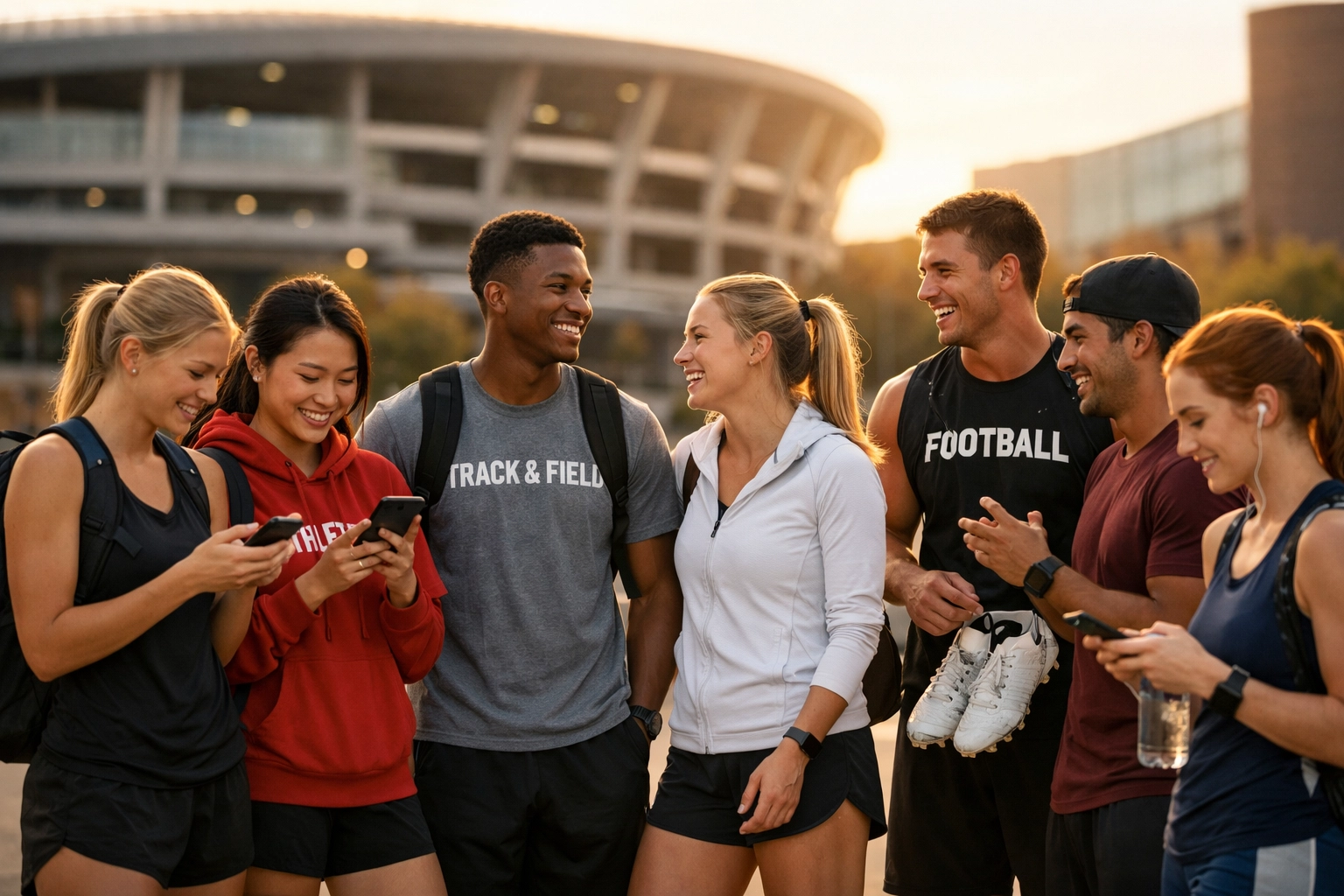
The strategy for Super Bowl 2026 revolves around a multi-tiered approach to talent. While a few "star" athletes may lead the campaign, the bulk of the impact comes from the "long tail" of the 20,000 student-athletes. These individuals provide hyper-local influence and specific demographic targeting.
1. Tiered Talent Selection
The platform categorizes athletes based on reach, engagement, and sport. For a Super Bowl campaign, media buyers often select a mix of:
- Elite NIL Athletes: High-profile college stars with national recognition.
- Regional Influencers: Athletes with strong followings in specific markets or university towns.
- Micro-Influencers: Thousands of athletes who provide the high-frequency "chatter" needed to trend on social platforms.
2. Coordinated Content Bursts
Success depends on timing. By coordinating 20,000 voices to post during specific windows, such as the pre-game hype or the immediate aftermath of a game-changing play, brands can create a "wall of sound" effect. This ensures that whenever a fan checks their phone during a commercial break, the brand is visible.
3. Hyper-Local Targeting
Unlike a national TV spot, NIL campaigns can be localized. For example, a campaign can be optimized to trigger only in cities where the competing teams are based, or in the host city of the Super Bowl. This level of precision is often achieved through programmatic DOOH and stadium perimeter targeting, which complements the digital NIL efforts.
Platform Integration and Execution
The logistics of managing 20,000 influencers require a robust technology platform. This platform acts as the bridge between the media buyer and the athletes. It handles everything from brief distribution and content approval to automated payments and performance tracking.
By using a specialized NIL platform, brands can ensure that all content meets brand safety standards while maintaining the "vibe" of the individual athlete. This is crucial because forced or overly corporate content tends to perform poorly on platforms like TikTok and Instagram.
https://www.youtube.com/watch?v=l6J-0zileKE
Phases of a Successful NIL Campaign
A successful campaign for the Super Bowl is not a single-day event. It is a structured process that begins months in advance and extends long after the final whistle.
Phase 1: The Pre-Game Build
Starting in the weeks leading up to the game, student-athletes begin creating "hype" content. This includes behind-the-scenes looks at their training, their predictions for the game, and organic product placements. Research indicates that brand-centric vs fan-centric sports campaigns yield different results, with fan-centric content showing much higher retention during the pre-game phase.
Phase 2: Game-Day Amplification
During the Super Bowl, the platform enables real-time reactions. If a specific event happens on the field, the platform can push out "reaction templates" to the 20,000 voices. This allows the brand to be part of the live conversation. This real-time capability is similar to how programmatic DOOH sports campaigns utilize live data to update creative on the fly.
Phase 3: The Post-Game Narrative
After the game ends, the focus shifts to recaps and "victory" content. This phase is essential for extending the brand's lifecycle and ensuring that the campaign's momentum does not drop off immediately.
Measurement and Data-Driven Results
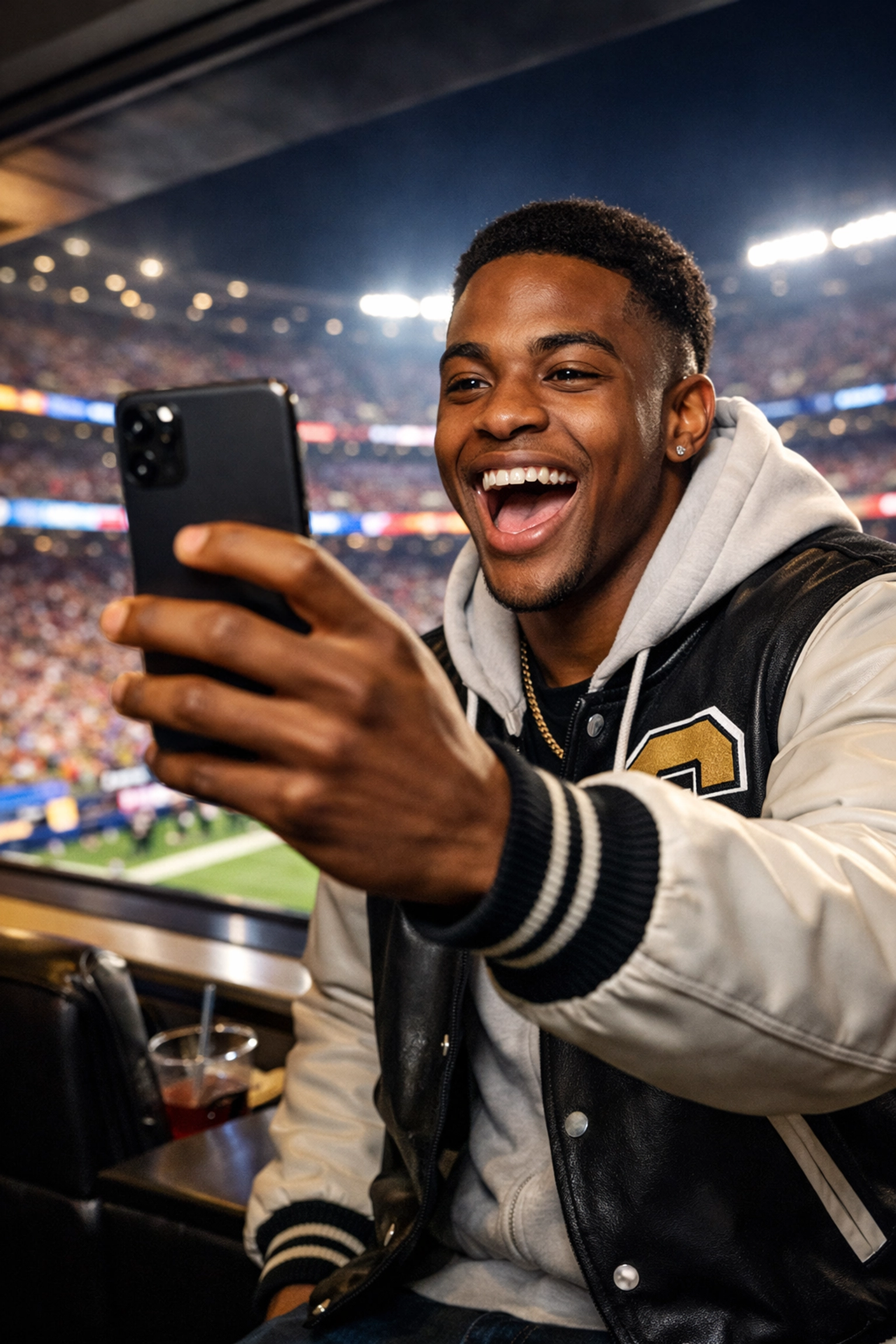
One of the biggest advantages of using an NIL platform over traditional sponsorships is the ability to measure results with precision. Media buyers are no longer relying on estimated "impressions" from a TV broadcast. Instead, they have access to hard data, including:
- Verified Reach: The actual number of people who saw the content across 20,000 accounts.
- Engagement Depth: Likes, shares, comments, and the sentiment of those interactions.
- Conversion Tracking: Direct links and promo codes used by the athletes' followers to make purchases.
By analyzing this data, brands can see exactly which athletes and which types of content provided the best ROI. This data-driven approach mirrors the success seen in other sectors, such as how White Claw's programmatic DOOH campaign drove a 74% lift in purchase consideration.
The Competitive Edge for Media Buyers
In 2026, the competition for consumer attention is fiercer than ever. Media buyers who rely solely on traditional methods find themselves priced out or drowned out. The NIL platform provides a competitive edge by offering:
- Cost Efficiency: Distributing a budget across 20,000 student-athletes often results in a lower cost-per-engagement than a single celebrity endorsement.
- Agility: The ability to pivot messaging instantly based on game outcomes or cultural trends.
- Diversity: Representing a wide range of sports, backgrounds, and locations, which helps a brand appeal to a broader audience.
Furthermore, integrating NIL with other digital channels, such as real-time sports betting DOOH campaigns, creates an omnichannel experience that surrounds the consumer.
Logistics and Compliance
Managing 20,000 athletes requires strict adherence to compliance and legal standards. NIL regulations can vary by state and by collegiate institution. The NIL platform used by OOH Sports automates the compliance check process, ensuring that every contract is valid and every athlete is eligible. This removes the legal risk for the brand and ensures a smooth execution of the campaign.
Content moderation is another critical factor. With so many voices, manual review is impossible. The platform utilizes AI-driven moderation tools to flag any content that deviates from the brand guidelines or contains inappropriate material. This allows the campaign to remain authentic while staying safe.
Final Thoughts for the 2026 Season
The Super Bowl remains the pinnacle of sports advertising, but the rules of engagement have changed. The success of a 2026 campaign is measured by how well a brand can integrate into the digital lives of fans. By leveraging the power of 20,000 student-athlete voices through a dedicated NIL platform, media buyers can achieve a level of saturation and authenticity that defines the modern era of sports marketing.
As the industry continues to evolve, those who embrace these decentralized, voice-driven strategies will be the ones who see the highest ROI and the strongest brand loyalty. Whether it is through social media, digital out-of-home advertising, or real-time influencer reactions, the goal remains the same: connecting with the fan where they are most engaged.