
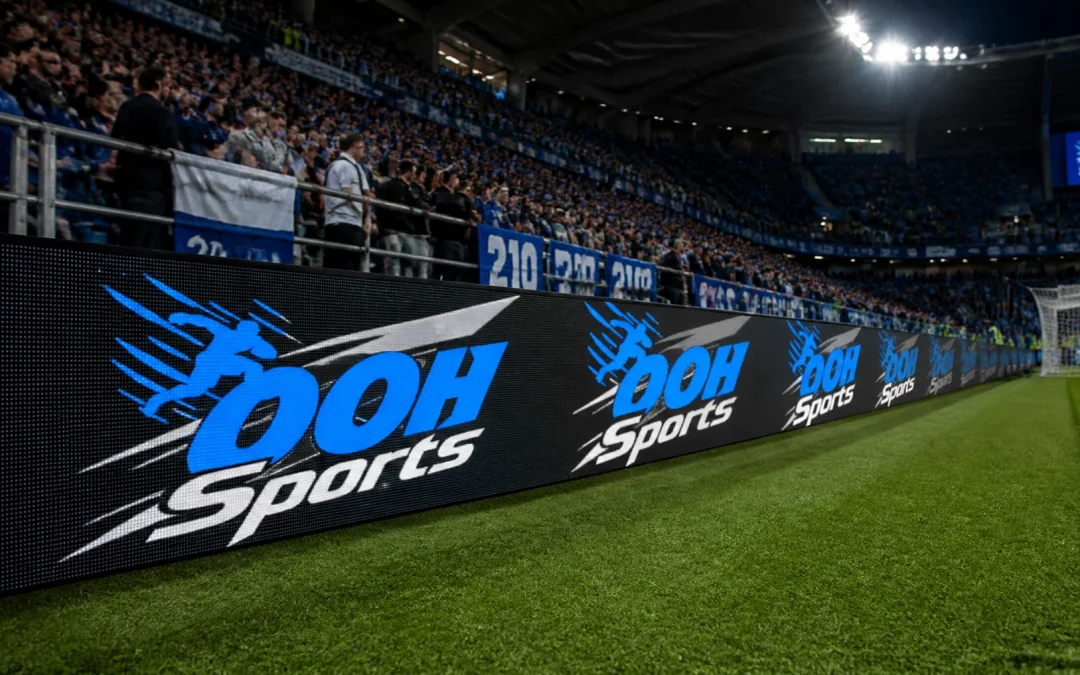
Capturing the attention of a stadium full of fans is one of the most significant challenges for modern brand managers and creative directors. The traditional methods of sports marketing are evolving quickly, moving away from static signage and toward dynamic, digital solutions that live where the action happens. Stadium perimeter advertising, specifically the digital LED boards that line the field of play, has become a cornerstone of this shift. These displays offer a unique combination of high visibility, emotional resonance, and technical flexibility. For those looking to refine their sports marketing strategy, here are ten critical insights into the world of stadium perimeter ads.
1. Prime Visibility and Emotional Connection
Stadium perimeter ads are positioned in the primary field of vision for every fan in the venue. Unlike concourse signage or exterior banners, these digital boards sit on the touchline, meaning they are visible throughout the entire duration of the game. This placement ensures that a brand is present during the peak emotional moments of a match. When a goal is scored or a game-winning play occurs, the brand messaging is often in the same frame as the celebration.
This proximity creates what industry experts call emotional stickiness. By appearing during high-stakes moments, a brand becomes associated with the excitement and passion of the sport. Research indicates that this type of repeated exposure in a high-arousal environment can lead to a brand awareness lift of up to 40 percent among attendees.
2. Dynamic, Real-Time Content Triggers
One of the most powerful features of modern stadium perimeter advertising is the ability to react to the game in real time. Static boards are limited to a single message, but digital LED systems can be programmed to change based on specific events.
- Goal or Touchdown Animations: Boards can flash celebratory graphics and brand logos immediately after a score.
- Crowd Prompts: Messaging can shift to encourage fan participation, such as "Make Some Noise" or "Get On Your Feet."
- Match Statistics: Brands can sponsor real-time data updates, like player stats or scoreboards, providing value to the fan while maintaining brand presence.
These triggers turn an advertisement into a functional part of the fan experience rather than a distraction.

3. Higher Retention Through Movement
The human eye is naturally drawn to movement. Digital perimeter ads leverage this biological fact by utilizing motion and animation. Studies have shown that animated LED content grabs attention approximately 23 percent better than static imagery. This increased noticeability is a significant advantage in a crowded stadium environment.
Creative directors can use this to their advantage by designing loops that draw the eye without becoming a distraction from the game. Subtle movements, such as a logo shimmer or a scrolling tagline, can keep the brand top-of-mind. This strategy is explored further in discussions regarding how 25,000 digital screens are changing sports marketing.
4. Unskippable Broadcast Value
Stadium perimeter ads are unique because they provide value far beyond the physical walls of the arena. Because they are located at the center of the action, they appear in almost every wide shot, replay, and highlight package broadcast to millions of viewers at home.
In top-tier professional leagues, this broadcast exposure generates millions in earned media value. Unlike television commercials, which viewers might skip or ignore by checking their phones, perimeter ads are unskippable. They are part of the live broadcast feed, ensuring that home viewers see the brand every time the camera follows the ball.
5. Hyper-Local Geofencing and Proximity
While the ads inside the stadium are powerful, the strategy becomes even more effective when paired with proximity-based digital out-of-home (DOOH) advertising. Modern networks can target fans not just in their seats, but in the miles surrounding the venue.
By geofencing a 3 to 10-mile radius around a stadium, brands can reach fans at bars, gyms, restaurants, and transportation hubs before and after the game. This creates a multi-touchpoint journey where the fan sees the brand on their way to the stadium, during the game on the perimeter boards, and again at a local sports bar afterward. This unified approach has been shown to boost fan engagement by 90 percent.

6. Multi-Brand Inventory Flexibility
The transition from static to digital has fundamentally changed the economics of stadium advertising. In the past, a single brand would own a physical piece of wood or plastic for the entire season. Now, a single LED board can host dozens of brands in a rotating schedule.
Typically, ads rotate every 20 to 30 seconds. This allows for a more diverse range of sponsors and lower entry costs for brands that may not need a full-season commitment. It also allows brand managers to test different creative versions during a single game to see which resonates most with the crowd. For a deeper look at these economic shifts, one might compare programmatic DOOH vs. traditional stadium ads.
7. Event-Specific Scheduling
Timing is everything in sports. Digital perimeter networks allow brands to schedule campaigns with surgical precision.
- Game Day Only: Ads can be set to run only during active game windows, ensuring the budget is spent when the largest audience is present.
- Time-Sensitive Offers: Brands can run "Happy Hour" promotions that appear only during the fourth quarter or the final minutes of a match.
- Rivalry Games: Messaging can be tailored to specific opponents, creating a more personalized and relevant experience for the fans in attendance.
This flexibility ensures that the right message reaches the fan at the most impactful time.
8. Rainout Protection and Budget Efficiency
One of the logistical hurdles of sports marketing is the unpredictability of the weather. Outdoor venues face the risk of rainouts or cancellations, which can lead to wasted ad spend on static signage.
Advanced digital networks offer rainout protection. When a game is officially delayed or canceled due to weather, the digital campaign is automatically paused. This ensures that the marketing budget is preserved and only deployed when fans are actually in the venue to see the ads. This level of efficiency is a major draw for CMOs looking to maximize their return on investment.
9. Interactive Fan Prompts
The most successful modern campaigns are those that turn fans into brand ambassadors. Perimeter boards are an excellent tool for driving user-generated content (UGC). By displaying specific hashtags, QR codes, or social media handles, brands can encourage fans to share their stadium experience online.
When a fan takes a selfie with a "Go Team" prompt that features a brand logo in the background, that brand earns a place on the fan’s personal social feed. This extends the reach of the campaign from the stadium to thousands of the fan’s followers, creating an organic and highly trusted form of engagement. Deciding between fan-centric vs. brand-centric strategies is a key part of this planning process.
10. Measurable Performance Data
The era of "guessing" the impact of a stadium ad is over. Modern stadium advertising is backed by sophisticated analytics and measurement tools.
Advertisers can now track impressions, dwell time, and even brand lift through specialized studies and device-level data. By matching exposed device IDs to later purchases or website visits, brands can calculate a direct return on their stadium investment. This data-driven approach provides the transparency that creative directors and media planners need to justify their budgets and refine their future tactics.

Conclusion
Stadium perimeter advertising has moved far beyond simple "logo placement." It is now a dynamic, high-tech tool that allows brands to integrate themselves into the very fabric of the sports experience. By understanding the visibility, flexibility, and data-driven nature of these digital boards, marketing professionals can create campaigns that don't just reach fans, but truly engage them.
The transition to digital perimeter boards represents a significant leap forward in how brands communicate with consumers. With the ability to react in real time, protect budgets from weather events, and measure every impression, the stadium is no longer just a venue for sports; it is one of the most powerful advertising platforms available today.