
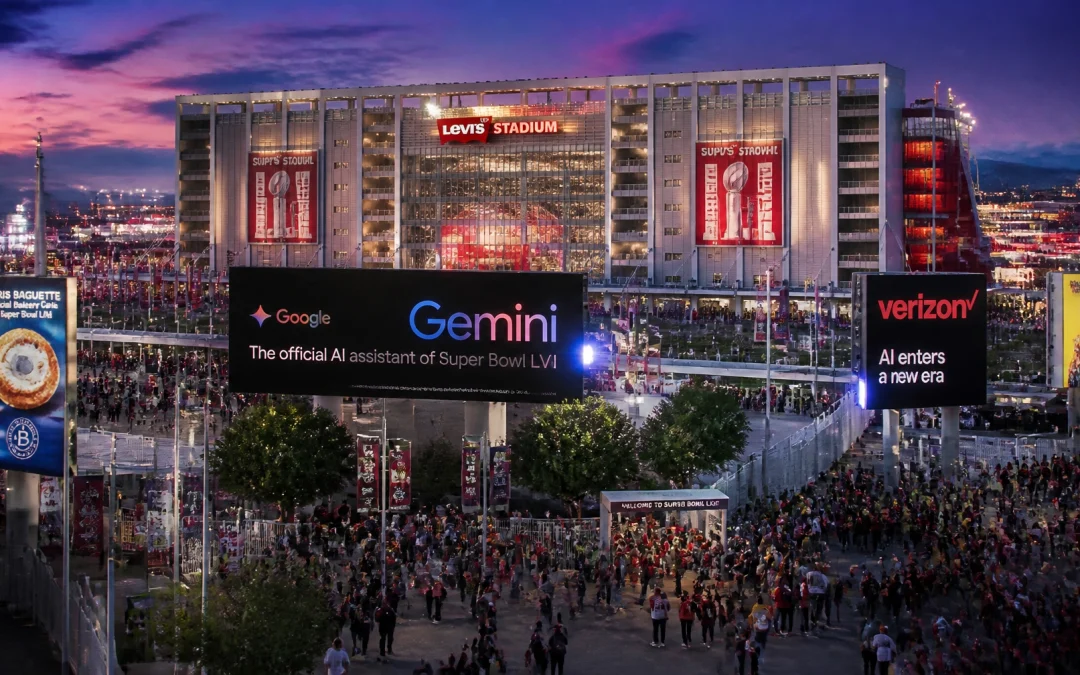
Super Bowl LX is set to take place at Levi’s Stadium in Santa Clara, California, marking a historic milestone in sports broadcasting and marketing. As the world prepares for one of the most significant sporting events of the decade, the advertising landscape has shifted toward a more integrated, technology-driven approach. Brands are no longer looking at 30-second television spots as the final destination. Instead, the focus has moved to owning the entire fan environment, from the very floors of the concourse to the massive digital billboards lining the highways.
Success in this high-stakes environment requires more than just a creative idea. It requires a deep understanding of how fans move, interact, and consume media in and around the arena. With 40 years of experience in sports media leadership, OOH Sports provides the strategic infrastructure needed to dominate this ecosystem. This guide explores the tactics and technologies that will define the 2026 Super Bowl marketing landscape.
Strategy: Capturing the Multi-Screen Fan Journey
The objective of a modern Super Bowl campaign is to achieve omnichannel dominance. Data suggests that fans are increasingly distracted by second-screen experiences, making it essential for brands to reinforce their message across physical and digital touchpoints simultaneously. The goal is to move beyond a single impression and create a narrative that follows the fan from their commute to their seat.
Strategic execution involves three primary phases:
- Perimeter Saturation: Utilizing large-format digital out-of-home (DOOH) assets within a 10-mile radius of the stadium to capture fans during their arrival.
- In-Venue Integration: Deploying high-impact visuals on ribbon boards, jumbotrons, and floor graphics to maintain brand presence during the height of emotional engagement.
- Retargeting and Attribution: Using device ID exposure to reconnect with fans on their mobile devices long after the final whistle.
By aligning these phases, advertisers can ensure that their message is not just seen but remembered. This approach mirrors the success of campaigns like the White Claw programmatic DOOH initiative, which utilized similar targeting strategies to drive a 74 percent lift in purchase consideration.
40 Years of Advertising Leadership
The expertise behind a successful Super Bowl campaign does not happen overnight. Sports Media Inc., the parent organization of OOH Sports, brings four decades of veteran precision to the table. This history began with traditional signage and has evolved into the most sophisticated digital network in the sports world today.
This longevity provides a unique advantage: access. The proprietary Sporttron digital network connects to over 780 venues nationwide, providing a unified platform for any sport, any venue, and any time. For Super Bowl 2026, this translates to a seamless execution that bridges the gap between heritage media and futuristic technology. The ability to manage complex logistics across thousands of screens is what separates a standard media buy from a championship-level execution.
From Floors to Billboards: Full Venue Coverage
One of the most effective ways to capture attention is to place brand messaging in unexpected but high-traffic locations. While billboards provide scale, floor graphics and in-venue placements provide intimacy and frequency.
The Power of Floor Graphics
Stadium floors are often an overlooked canvas. However, in the high-density environment of Levi's Stadium, floor graphics offer a point-of-sale style engagement. Fans walking through the concourses or waiting at concession stands are in a prime state for high-impulse CPG snacks or retail offers.

Billboards and Perimeter Dominance
Large-format digital boards serve as the gateway to the Super Bowl experience. In 2026, these boards are being used to mirror the national TV creative, using visual cues that trigger memory of the celebrity-driven ads fans have already seen online or on television. The geographically targeted DOOH strategies used here are designed to boost fan engagement by creating a localized, relevant experience.
Technology Partners and the Sporttron Network
The backbone of modern sports advertising is the technology that powers it. The Sporttron network allows media buyers and planners to execute programmatic campaigns with surgical precision.
By utilizing stadium perimeter targeting, brands can focus their budget on the fans who are physically present at the event or in the surrounding entertainment districts. This eliminates waste and ensures that every dollar is spent on high-value impressions.
Key technological features of the network include:
- Real-Time Triggers: Adjusting creative based on the score, weather, or time of day.
- Programmatic Flexibility: Allowing brands to pivot their strategy instantly, which is vital in a fast-moving environment like a championship game.
- Omnichannel Integration: Syncing DOOH placements with mobile retargeting to drive app downloads or retail traffic.
This technological shift is why many experts believe programmatic DOOH will hit $5.8 billion by 2030. It provides the scale of traditional out-of-home with the precision of digital marketing.

Beyond the Arena: The Extended Ecosystem
Marketing at the Super Bowl is no longer confined to the four walls of the stadium. The influence of the game extends to the next generation of fans and athletes. OOH Sports leverages an NIL (Name, Image, Likeness) platform that connects brands with over 20,000 authentic voices. This allows a brand to bridge the gap between a professional stadium presence and the student-athletes who define culture for younger demographics.
Additionally, high-touch concession platforms and cup holders for charity transform a simple beverage purchase into a tangible fan experience. This level of physical engagement is essential for brands looking to build lasting positive associations. For more details on the full scope of these services, view the following presentation:
https://www.youtube.com/watch?v=l6J-0zileKE
Measuring Results and ROI
In the world of high-spend Super Bowl marketing, data is the ultimate proof of success. OOH Sports employs predictive modeling and fan sentiment analysis to provide a clear picture of campaign impact.
While traditional television ads are often measured by broad reach, DOOH and in-venue advertising can be measured by specific actions. Results from recent campaigns show that when programmatic DOOH is compared to traditional stadium ads, the programmatic approach often delivers a higher ROI due to its ability to target specific audience segments and provide measurable attribution.
Metrics analyzed include:
- Brand Lift Studies: Measuring the increase in brand awareness and favorability post-campaign.
- Device ID Footfall: Tracking fans from an initial DOOH impression to a physical retail location or digital app store.
- Engagement Rates: Monitoring how fans interact with QR codes or mobile-integrated placements.

Conclusion: The Moment of a Lifetime
Super Bowl 2026 represents a unique intersection of heritage and innovation. For brands, it is the moment of a lifetime to align their vision with the expertise of a leader in the field. By utilizing a strategy that covers everything from stadium floors to the surrounding billboards, and leveraging 40 years of veteran leadership, advertisers can ensure their message is not just heard but felt by every fan in the arena.
The future of sports marketing is dynamic, data-driven, and omnipresent. As the technology continues to evolve, the brands that succeed will be those that understand how to own the entire environment, creating connections that last long after the game is over.