
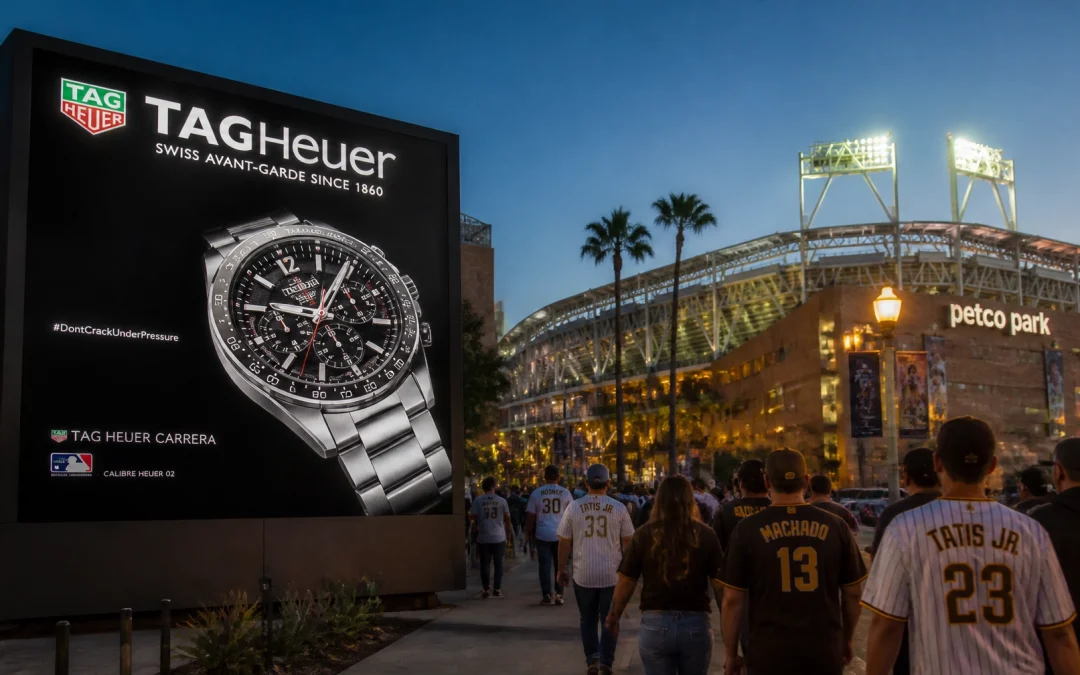
The stadium is no longer just a building. It is the epicenter of a massive, high-energy ecosystem that extends far beyond the ticket gates. For creative directors and brand managers, the fan experience begins hours before the first whistle and continues long after the final buzzer. Reaching fans during this journey requires a strategy that moves past traditional boundaries. By focusing on the stadium perimeter, brands can capture the attention of an emotionally charged audience when they are most receptive to messaging.
Successful sports marketing is about more than just a 30-second spot during a commercial break. It is about becoming part of the environment where fans live their most passionate moments. This guide explores how Digital Out of Home (DOOH) technology allows brands to dominate the 10-mile radius around sports venues, ensuring every touchpoint becomes an opportunity for engagement.
Strategy: Dominating the 10-Mile Radius
The primary strategy for winning the fan experience relies on hyper-local geographic targeting. Instead of broad, city-wide buys that dissipate impact, a perimeter-focused approach concentrates resources where the audience is densest.
- Geofencing the Arena: This involves identifying all digital screens within a 10-mile radius of a specific sports venue.
- Touchpoint Identification: Screens are selected based on their proximity to fan-heavy locations, including transit hubs, sports bars, retail centers, and parking facilities.
- The Last Mile Concept: Capturing the audience during the final miles of their journey to the stadium ensures the brand remains top of mind as anticipation builds.
By saturating this specific zone, a campaign creates a sense of ubiquity. When fans see a brand on a highway billboard, then again on a transit kiosk, and finally on a screen in a nearby sports bar, the brand becomes an integral part of the event day narrative.

Objective and Strategy: Building Emotional Resonance
The objective of stadium perimeter advertising is to leverage the high emotional state of sports fans to drive brand lift and recall. Research indicates that consumers are more likely to remember and trust brands that appear during shared cultural moments.
- Emotional Priming: Fans entering a stadium area are often in a state of heightened excitement. Ads placed in this environment benefit from a halo effect, where the positive energy of the game is transferred to the brand.
- Community Alignment: Localized DOOH allows a national brand to feel like a local supporter. By appearing in the fan's home territory, the brand builds a deeper connection with the community.
- Strategic Timing: Campaigns can be scheduled to run specifically during pre-game and post-game windows, maximizing visibility during peak foot traffic and dwell times.
This approach moves away from passive consumption and toward active brand association. The strategy is to meet fans where they are already spending time and money, transforming a standard advertisement into a part of the fan’s personal game-day story.
Technology Partners and Programmatic Execution
Modern DOOH is powered by programmatic technology that allows for precision and flexibility that static billboards cannot match. Working with specialized platforms ensures that the right creative is shown to the right audience at the optimal time.
- Programmatic Platforms: Utilizing Demand-Side Platforms (DSPs) like StackAdapt allows for automated buying of screen inventory. This provides the ability to scale campaigns across multiple networks simultaneously.
- Real-Time Optimization: Creative content can be updated instantly based on game scores, weather changes, or even the time of day. If a team wins a playoff game, the creative can shift to celebratory messaging within minutes.
- Data-Driven Targeting: Mobile location data is used to identify high-traffic areas and verify that the intended audience is being reached. This level of transparency is essential for measuring the efficiency of the media spend.
The integration of these technologies allows creative directors to execute complex, multi-layered campaigns with minimal logistical friction. It turns the entire city into a canvas that responds to the rhythm of the game.

Execution: The Omnichannel Connection
A successful perimeter strategy does not exist in a vacuum. It is most effective when paired with other digital channels to create a seamless omnichannel experience. By capturing device IDs of fans exposed to DOOH screens, brands can continue the conversation through retargeting.
- Mobile Retargeting: Once a fan passes a digital billboard or kiosk, their mobile device can be served a follow-up ad. This reinforces the message and provides a direct path to purchase or further engagement.
- Consistent Creative: The visual identity used on large-format billboards should be mirrored in mobile and social ads. This visual consistency builds trust and aids in brand recognition.
- Actionable Content: QR codes or special offers can be integrated into DOOH creative to bridge the gap between the physical and digital worlds.
This approach ensures that the brand remains with the fan even after they leave the 10-mile radius. It transforms a fleeting glance into a measurable digital interaction, providing a holistic view of the customer journey. You can find more about these tactics on the OOH Sports marketing page.

Creative Execution for the Fan Journey
The creative strategy must reflect the specific stage of the fan journey. A message that resonates three hours before a game may not be as effective thirty minutes after a loss.
- The Build-Up (Pre-Game): Focus on anticipation and excitement. High-energy visuals and bold taglines work best as fans move toward the arena.
- The Celebration (Post-Game Win): Use triumphant messaging and congratulations. This captures the euphoria of the audience and aligns the brand with the positive outcome.
- The Routine (Everyday Exposure): For fans living near the venue, consistent brand presence in gyms, grocery stores, and local bars builds long-term familiarity.
By tailoring the creative to the context of the moment, brands avoid being seen as intrusive. Instead, they are perceived as participants in the sports culture. This level of relevance is what separates a successful campaign from a generic one.
Results: Quantifying the Impact
Data from previous campaigns demonstrates the effectiveness of targeting sports fans through the DOOH perimeter. These measurable outcomes provide creative directors with the confidence that their strategies are delivering real-world value.
- Brand Lift: In a campaign for Mike’s Hard Iced Tea, the use of programmatic DOOH resulted in a 119 percent lift in positive brand image.
- Purchase Consideration: A Sea-Doo campaign that targeted fans through localized digital screens saw a 144 percent increase in purchase consideration.
- Launch Success: White Claw utilized programmatic DOOH to drive a 74 percent lift in purchase consideration for a new product launch.
These results highlight the power of combining high-impact physical locations with data-backed targeting. The ability to measure lift in brand perception and intent is a game-changer for out of home advertising. Detailed analyses of these efforts are available in the OOH Sports case studies.

Conclusion: Setting the Stage for Success
Winning the fan experience requires a commitment to being present where it matters most. By dominating the 10-mile perimeter around sports venues, brands can escape the clutter of traditional media and build meaningful connections with a highly engaged audience.
Creative directors who embrace the programmatic capabilities and omnichannel potential of DOOH will find themselves better positioned to drive measurable results. The stadium perimeter is more than just a geographic area. It is a high-performance environment for brand storytelling. To learn more about how to bring your brand to life in these arenas, visit the OOH Sports homepage or contact the team on the about page.