
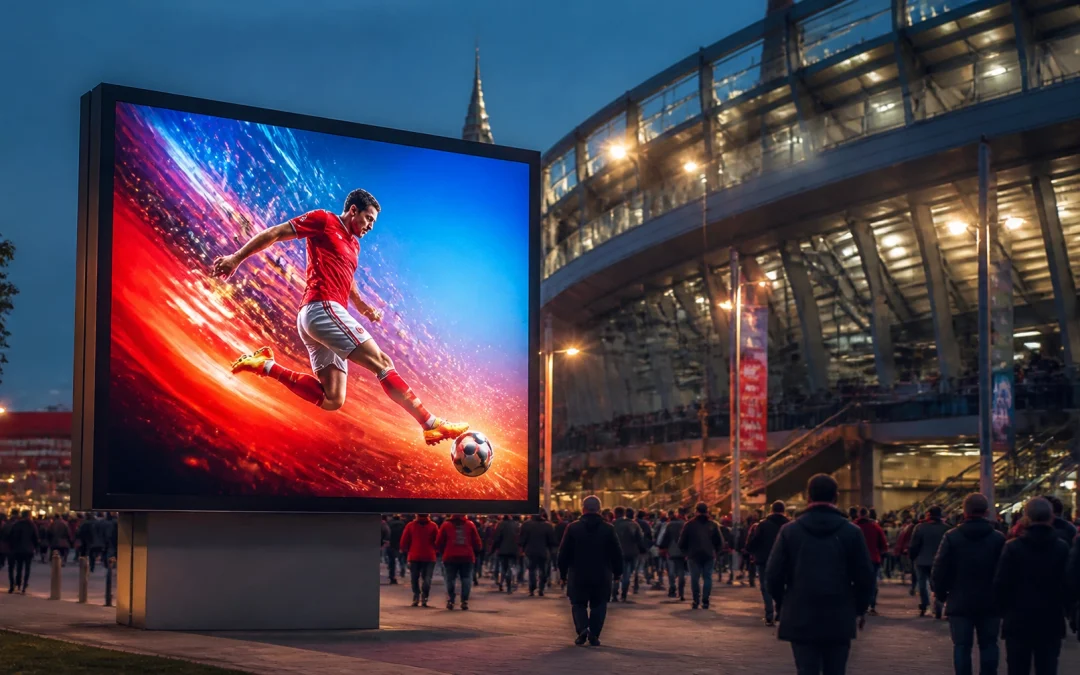
The landscape of sports marketing is undergoing a significant transformation. As traditional advertising channels face increasing fragmentation, Digital Out-of-Home (DOOH) has emerged as a powerhouse for brands seeking to connect with passionate audiences in real-time. This guide provides a comprehensive overview of the current DOOH industry, focusing on the strategies, technologies, and data-driven insights that are defining success in the sports advertising vertical.
The Evolution of DOOH in the Sports Vertical
Digital Out-of-Home advertising has moved far beyond simple static billboards. Today, it represents a dynamic, data-driven ecosystem capable of reaching fans across every touchpoint of their journey. Whether they are commuting to the stadium, gathering at a local sports bar, or visiting high-traffic retail centers, the ability to deliver contextually relevant messaging is unparalleled.
The integration of DOOH within sports marketing is driven by the unique mobility of the sports fan. Research indicates that sports enthusiasts are constantly on the move, engaging with media in various physical environments throughout the day. This mobility creates multiple opportunities for brand exposure that feels integrated into the fan experience rather than an interruption of it.
Market Outlook: The Projected Growth of Programmatic DOOH
The global DOOH market is on a trajectory for substantial growth, with projections suggesting a market value of approximately $22 billion to $34 billion by 2026. This growth is not merely in total spend but in the sophistication of how that spend is allocated.
Programmatic DOOH (pDOOH) is rapidly becoming the dominant method of activation. It is estimated that programmatic transactions will account for nearly 65.5 percent of all DOOH advertising within the next few years. This shift is motivated by the need for greater flexibility, faster activation, and the ability to optimize campaigns in real-time based on specific performance indicators.
For media buyers and chief marketing officers, this evolution means that DOOH is no longer just an awareness tool. It has become a performance-driven channel that offers the same precision and targeting capabilities as digital display or social media, but with the added impact of a large-format physical presence.
Strategic Targeting: The Power of the 10-Mile Radius
One of the most effective strategies in modern sports DOOH is hyper-local targeting, specifically focusing on the area surrounding sports venues. OOH Sports has identified the perimeter of up to 10 miles around arenas as the critical "engagement zone" for brands.
This zone is where fan density and emotional engagement are at their peak. By utilizing digital video advertising boards within this radius, brands can maintain a persistent presence during the hours leading up to and following an event. This approach ensures that the message is delivered when the audience is most receptive.
Key Tactical Placements within the Sports Network
- Stadium and Arena Radii: Utilizing geofencing to activate screens only when fans are in the immediate vicinity of the venue.
- Transit Hubs: Reaching fans as they travel to the game via train stations, bus stops, and airports.
- Sports Bars and Restaurants: Engaging audiences in environments where they are already consuming sports content and making purchasing decisions.
- Retail Centers: Capturing the attention of fans who are shopping for gear, snacks, or beverages before a game.

Technology and Integration: Seamless Programmatic Execution
The backbone of modern DOOH is the technology that allows for automated buying and data-driven targeting. Technology partners and Demand-Side Platforms (DSPs) are essential in this ecosystem. For instance, platforms like StackAdapt have been instrumental in driving programmatic adoption, allowing for omnichannel integration that follows the consumer from their mobile device to the big screen.
By leveraging Sportrons and other specialized digital assets, advertisers can gain access to premium inventory that was previously difficult to buy at scale. These technologies enable precise flighting, ensuring that ads only run during the most valuable times, such as the three hours before a kickoff or the two hours following a victory.
Creative Innovation: Leveraging Real-Time Triggers
Data-driven creative is a major trend for the upcoming years. Advertisers are no longer limited to a single creative execution for the duration of a campaign. Instead, they can use external data feeds to trigger specific content.
Dynamic Content Triggers
- Weather-Triggered Campaigns: Changing creative based on local conditions. For example, a sports beverage brand might highlight hydration on a hot day, while an athletic apparel brand might promote rain gear during a storm. More details on this strategy can be found in the weather-triggered sports DOOH framework.
- Live Score Updates: Real-time integration of game scores or team performance into the creative, making the ad feel immediate and relevant to the fan's current experience.
- Event-Based Messaging: Tailoring messages based on whether a team won or lost, or countdowns to the start of a major championship.

Measurable Results: Case Studies in Success
The effectiveness of DOOH is best demonstrated through the measurable impact it has on brand metrics and consumer behavior. Modern attribution models now allow brands to connect DOOH exposure to footfall traffic, web visits, and even direct sales lift.
Notable Campaign Outcomes
- Ab InBev’s Mike’s Hard Iced Tea: Through a strategic programmatic DOOH campaign, the brand achieved a 119 percent lift in positive brand image. This demonstrates the power of DOOH in shifting consumer perception at scale.
- Sea-Doo: In its first digital OOH execution, the brand saw a 144 percent increase in purchase consideration. By targeting specific outdoor and sports-adjacent environments, the campaign successfully moved consumers down the funnel.
- White Claw: The launch of a new vodka product was supported by a programmatic campaign that drove a 74 percent lift in purchase consideration. This result highlights the ability of DOOH to support major product launches by creating high-impact visual frequency.

The Future of Sports DOOH Strategy
Looking ahead, the convergence of mobile data and physical advertising will only deepen. The use of anonymized device IDs to track exposure and then retarget those same individuals on their mobile devices is a growing practice. This omnichannel approach ensures that the impact of a large-format billboard is reinforced by a personalized offer on a smartphone, creating a seamless loop of engagement.
Furthermore, the rise of "smart city" infrastructure will provide even more data points for DOOH optimization. Traffic patterns, public transit usage, and even pedestrian flow can be used to further refine where and when ads are served, ensuring maximum efficiency for media budgets.
Conclusion
Succeeding in the DOOH industry requires a blend of strategic placement, advanced technology, and creative flexibility. By focusing on the high-intent environments surrounding sports venues and leveraging the precision of programmatic buying, brands can achieve significant lifts in both awareness and consideration. The data is clear: digital out-of-home is an essential component of any modern, results-driven sports marketing plan.
For those involved in the planning and buying of media, staying ahead of these trends is the key to unlocking the full potential of the sports network. As the industry continues to evolve, the integration of real-time data and hyper-local targeting will remain the gold standard for reaching the modern sports fan.