
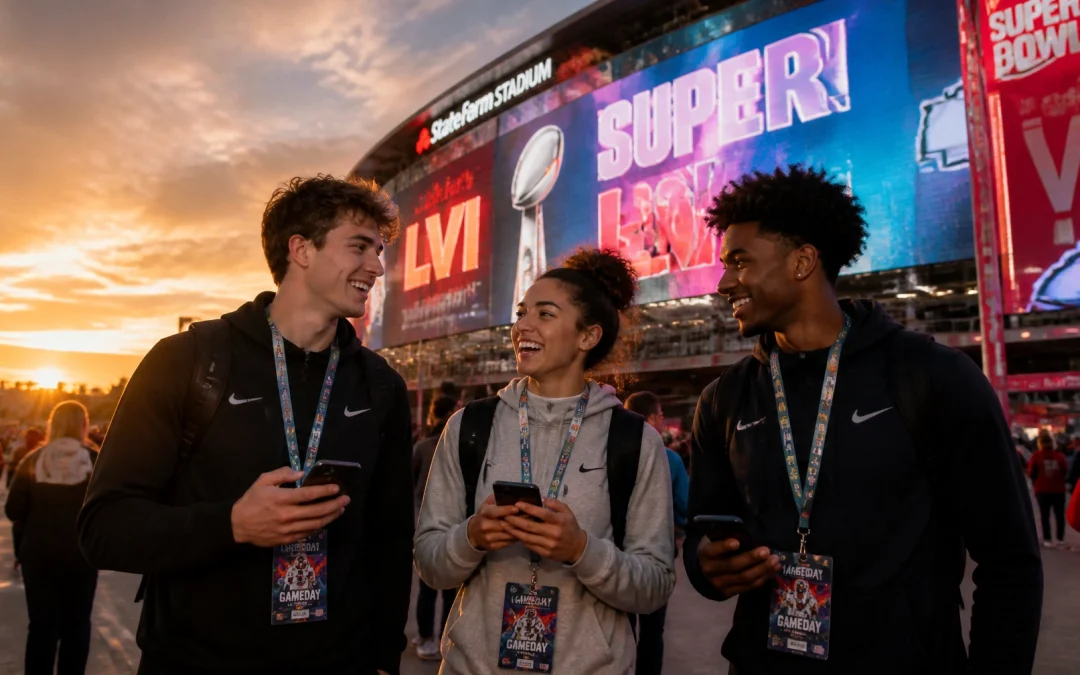
Super Bowl LX is scheduled to take place on February 8, 2026, at Levi’s Stadium in Santa Clara, California. For media buyers and brand managers, this event represents the pinnacle of annual advertising. However, the landscape is shifting. While a traditional 30-second in-game television spot is projected to cost approximately $10 million, a new strategy is emerging. This strategy involves the mobilization of over 20,000 student-athletes through Name, Image, and Likeness (NIL) platforms. This guide outlines how to leverage these authentic voices to create a surround-sound effect that extends far beyond a single television commercial.
Strategy: The Shift from Single Hero to Athlete Swarm
The traditional Super Bowl strategy often relies on one high-priced celebrity endorsement. While this can drive prestige, it also carries significant risk and a massive price tag. In contrast, the "athlete swarm" strategy distributes a brand message across thousands of student-athletes. These athletes possess highly engaged, niche audiences that often trust their recommendations more than a distant Hollywood star.
By utilizing a network of 20,000 student-athletes, brands can achieve massive reach while maintaining local relevance. This approach allows for a multi-month, full-funnel campaign. Instead of a 30-second window, the brand remains present in the digital feeds of millions of fans for weeks leading up to and following the game. This strategy is particularly effective for reaching Gen Z and younger demographics who consume sports content primarily through social media and digital platforms rather than linear television.
Objective & Strategy: Defining the Mission
The primary objective for a 2026 Super Bowl NIL campaign is to saturate the digital landscape with authentic content that drives both brand awareness and measurable conversion. The strategy is built on three distinct phases: Seeding, Amplification, and Conversion.
Phase 1: Seeding (4–6 Weeks Pre-Game)
The seeding phase is designed to build a narrative. Brands activate student-athletes as local heroes in priority markets. For example, athletes from schools in the Bay Area or regions with strong ties to competing teams can start sharing their personal stories integrated with the brand.
- Tactics: Use short-form video on TikTok and Instagram.
- Focus: Authenticity and storytelling rather than hard selling.
- Media Buying: Budget for both creator fees and paid amplification. Boosting top-performing athlete posts ensures the content reaches specific target segments beyond the athlete's immediate followers.
Phase 2: Amplification (Game Week)
During the week of the Super Bowl, the volume increases. This phase creates the surround-sound effect. As fans descend on Santa Clara and millions more tune in globally, the 20,000 student-athletes provide real-time commentary, behind-the-scenes looks, and reaction videos.
- Tactics: Live streams, watch parties, and real-time social posts.
- Focus: High energy and immediate relevance to the game-day excitement.
- Integration: Aligning social content with digital out of home (DOOH) displays within a 10-mile radius of Levi's Stadium. This ensures that fans see the brand on physical screens and their mobile devices simultaneously.
Phase 3: Conversion (Post-Game)
The final phase focuses on ROI. Once the game ends, the campaign continues for several weeks to capitalize on the post-game buzz.
- Tactics: Unique offer codes and tracked links provided by each athlete.
- Focus: Driving sales, app installs, and long-term brand loyalty.
- Measurement: Analyzing which athletes and sports drove the highest return on ad spend (ROAS).

Technology Partners and Execution
Executing a campaign with 20,000 creators requires sophisticated technology. Brands must partner with NIL platforms that offer standardized briefing, content approval workflows, and automated payment systems. This operational infrastructure allows a single media buying team to manage a workforce of thousands without becoming overwhelmed by logistics.
Integration with programmatic digital out of home (DOOH) is a critical component. By using platforms provided by OOH Sports, media buyers can coordinate their athlete content with digital billboards. For Super Bowl 2026, this means targeting the perimeter of Levi's Stadium and key transit hubs in the San Francisco Bay Area.
The use of specialized platforms allows for:
- Geofencing: Delivering ads to mobile devices of fans who have been exposed to specific digital billboards.
- Audience Retargeting: Building custom audiences based on device IDs exposed to athlete content or stadium-side advertising.
- Real-Time Optimization: Shifting budget toward the best-performing creative or geographic locations in the days leading up to the game.
To see how OOH Sports integrates these elements into a cohesive strategy, view the following overview:
https://www.youtube.com/watch?v=l6J-0zileKE
Results: Measuring Success in the NIL Era
The success of a 20,000-athlete campaign is measured through data rather than just awards. Media buyers look for specific performance indicators across the three phases.
In past campaigns, such as those detailed in our case studies, the integration of DOOH and digital influencers has yielded significant results. For instance, brands have seen purchase consideration increases of over 140% when combining programmatic OOH with targeted social amplification.
Key metrics for a Super Bowl NIL program include:
- Brand Lift: Pre- and post-campaign surveys to measure changes in brand awareness and preference.
- Engagement Rate: Comparing the performance of student-athlete content against traditional brand-owned posts.
- Attribution: Using tracked links to determine the exact number of sales or sign-ups generated by the athlete network.
- Reach and Frequency: Quantifying the total number of impressions across social platforms and physical digital screens.

The Role of Perimeter Advertising
A significant advantage of the OOH Sports network is the ability to dominate the perimeter up to 10 miles around sports venues. For Super Bowl 2026, this 10-mile radius becomes the most valuable real estate in the advertising world.
By combining the 20,000 student-athlete voices with Sportrons and other high-impact digital displays, a brand can ensure it is the most visible entity in the market. This omnichannel approach creates multiple touchpoints. A fan might see a student-athlete's TikTok video in the morning, pass a digital billboard on the way to the stadium, and receive a retargeted ad on their phone while waiting in line for concessions.
Logistics and Brand Safety
Managing 20,000 voices requires a strict focus on brand safety. NIL platforms provide tools to vet athletes based on their past content and ensure they align with brand values. Detailed briefs and mandatory approval stages prevent off-brand messaging. This level of control, combined with the authenticity of the athletes, creates a powerful and safe environment for major brands.
Media buyers should prioritize athletes who have been trained in influencer skills. Many universities now provide resources to help their students understand the business side of NIL, resulting in higher-quality content and more professional collaborations.

Conclusion: Preparing for 2026
The 2026 Super Bowl will be a landmark event for the advertising industry. As the cost of traditional television continues to rise, the value of the NIL "athlete swarm" becomes undeniable. By mobilizing 20,000 student-athlete voices and integrating them with a robust digital out of home strategy, media buyers can achieve a level of reach and engagement that was previously impossible.
Planning for this scale should begin well in advance. For more information on how to start building your network and securing your digital screen presence, visit the OOH Sports blog or contact us to discuss specific campaign objectives.
Super Bowl LX is not just a game. It is a massive media opportunity that requires a modern, data-driven approach. By leveraging the power of authentic voices and the precision of programmatic advertising, brands can ensure they are not just seen, but remembered.