
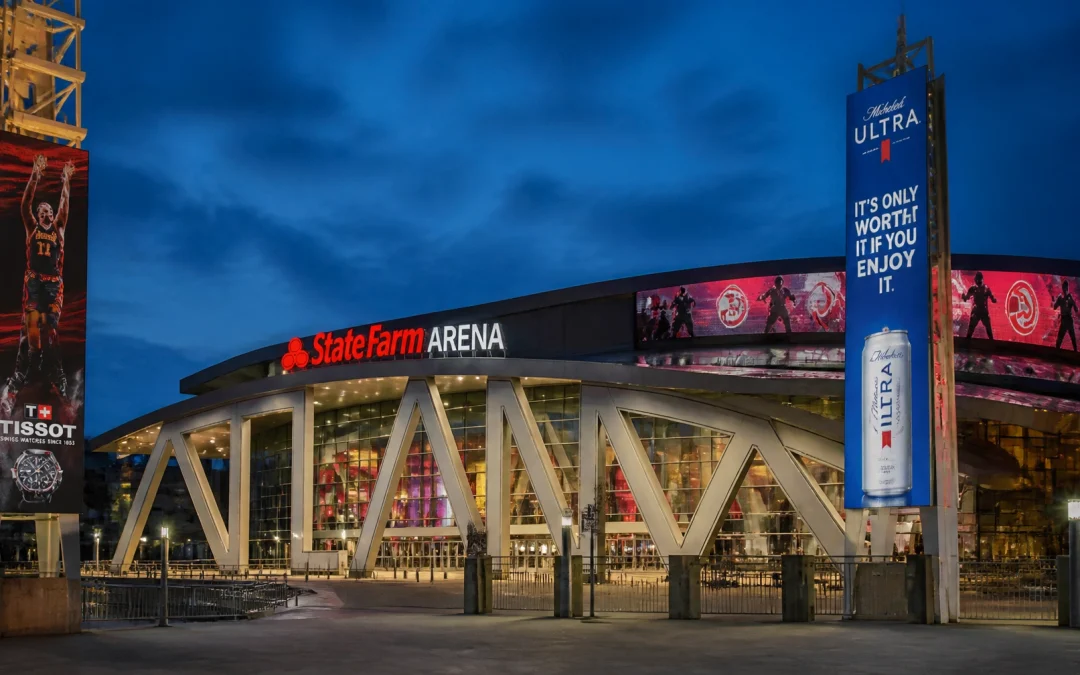
Digital advertising has evolved far beyond the confines of a handheld screen. In the high stakes world of sports marketing, the challenge is no longer just reaching a fan, but maintaining a presence throughout their entire journey. From the moment they check the pre-game odds on their phone to the second they walk through the stadium turnstiles, the experience should be seamless. Programmatic Digital Out-of-Home (pDOOH) has emerged as the essential bridge in this journey, transforming large-scale public screens into data-driven, real-time assets.
Integrating pDOOH into an omnichannel sports strategy allows brands to move beyond static loops and fragmented messaging. It provides a way to sync the massive reach of physical billboards with the precision of digital targeting. This guide examines how professional marketers can architect a unified campaign that leverages pDOOH to drive measurable impact across the entire sports ecosystem.
Strategy: The Omnichannel Sports Framework
An effective omnichannel strategy treats every touchpoint as part of a single, continuous conversation. In sports, this conversation is dictated by the rhythm of the game. A strategy that includes pDOOH does not view the billboard as an isolated "brand awareness" tool. Instead, it views the screen as a dynamic canvas that responds to live variables and audience behaviors.
The core of this framework relies on three pillars: data-driven placement, contextual relevance, and cross-channel connectivity. By using the same audience segments for pDOOH as those used for mobile and Connected TV (CTV), brands ensure that the fan sees a consistent message regardless of the medium. For example, a fan who is targeted with a pre-game hype video on social media can be greeted by a matching pDOOH display as they approach the arena.
Objective and Strategy: Defining Success
Before a single impression is bought, clear objectives must be established. In the sports sector, these objectives typically fall into three categories:
- Awareness and Sentiment: Building broad reach around a specific event or product launch.
- Engagement and Conversion: Driving fans toward a specific action, such as downloading a betting app, purchasing tickets, or visiting a fan zone.
- Retention and Loyalty: Reinforcing brand preference among existing fans during key moments of high emotional investment.
Successful campaigns, such as the Mike's Hard Iced Tea programmatic DOOH initiative, demonstrate how specific targeting around social occasions can lead to a 119 percent lift in positive brand image. The strategy must align the programmatic triggers: such as time of day, location, or even weather: with the desired outcome.

Audience Targeting: Precision in the Public Square
One of the greatest advantages of programmatic DOOH is the ability to apply digital targeting logic to physical locations. Marketers can now use several data layers to ensure their message reaches the right sports fans:
- Geofencing and Proximity: Targeting screens within a specific radius of stadiums, training facilities, or sports bars. This ensures the ad is seen by fans who are physically present and engaged with the event.
- First-Party Data Integration: By uploading anonymized customer data into a Demand-Side Platform (DSP), brands can identify high-concentration areas where their existing customers or lookalike audiences are likely to be found.
- Behavioral and Interest Data: Using mobile location data to identify "sports enthusiasts" or "frequent stadium-goers" and activating screens only when a high density of these individuals is predicted to be in the area.
This level of precision moves pDOOH away from the traditional "spray and pray" model of outdoor advertising and toward a more surgical, efficient allocation of budget.
Technology Partners: The Programmatic Stack
Executing a sophisticated omnichannel campaign requires a robust technological foundation. The integration of pDOOH into the wider digital buy is made possible by the connection between Supply-Side Platforms (SSPs) and DSPs.
A central DSP, such as those featured in the StackAdapt spotlight, allows planners to manage DOOH inventory alongside mobile, video, and CTV in a single interface. This unified view is critical for managing frequency and ensuring that budgets are optimized in real time based on performance across all channels.
Specialized tools like Sportrons provide the niche inventory required to reach fans specifically within the sports environment, offering access to digital video advertising boards that surround major venues and transit hubs.

Methodology: Campaign Mechanics and Live Triggers
The "programmatic" element of pDOOH refers to the automated, auction-based buying of ad impressions. In a sports context, this allows for highly reactive campaign mechanics. One of the most powerful tactics is the use of Dynamic Creative Optimization (DCO).
DCO allows the creative content to change automatically based on external data feeds. In sports, these triggers can include:
- Live Scores: Updating the billboard to show the current score of a game in real time.
- Game Results: Immediately switching to "Congratulations" or "Victory" messaging the moment a game ends.
- Weather Conditions: Promoting cold beverages on hot game days or branded hoodies when the temperature drops.
- Countdowns: Building anticipation with a live clock ticking down to kickoff or a major tournament final.
These mechanics ensure that the advertising feels relevant to the fan’s immediate experience, which significantly increases the likelihood of engagement.
Omnichannel Retargeting: Closing the Loop
A stand-alone billboard is a powerful visual, but its impact is multiplied when it is connected to the personal devices in fans' pockets. This is achieved through cross-device retargeting.
When a fan is exposed to a pDOOH ad near a stadium, their mobile device ID can be captured within a geofenced area. This audience segment can then be "retargeted" with follow-up messaging on social media, mobile apps, or display networks. For example, after seeing a large-scale ad for a new athletic shoe near the arena, the fan might receive a mobile banner offering a discount code later that evening.
This sequential messaging strategy helps move the fan through the funnel from awareness (the big screen) to action (the small screen). Studies have shown that White Claw's programmatic DOOH campaign drove a 74 percent lift in purchase consideration, proving that the synergy between outdoor and digital channels is a potent driver of consumer intent.

Measurement and Results: Tracking the Impact
The final piece of the integration puzzle is measurement. Unlike traditional OOH, programmatic DOOH offers a variety of ways to quantify success.
- Brand Lift Studies: Surveying exposed versus non-exposed groups to measure changes in brand awareness, favorability, and purchase intent.
- Foot Traffic Attribution: Using anonymized mobile data to track how many people who saw the DOOH ad eventually visited a retail location or a specific fan zone.
- Online Conversion Tracking: Measuring the increase in website visits, app installs, or search volume following a pDOOH activation.
- Sales Lift: Comparing sales data in markets where DOOH was active against control markets where it was not.
By using these metrics, sports marketers can demonstrate the tangible ROI of their outdoor spend and refine their strategy for future seasons.
Strategic Execution: A Summary of Steps
To successfully integrate programmatic DOOH into a sports strategy, a logical progression is required. First, align the DOOH objectives with the broader omnichannel goals. Second, identify the high-value sports fan segments using location and behavioral data. Third, deploy a technology stack that allows for unified bidding and optimization. Fourth, utilize dynamic creative that responds to live game data. Finally, use retargeting to maintain the conversation on mobile devices.
This structured approach ensures that the brand is not just shouting into the crowd, but participating in the fan's journey in a meaningful and measurable way.

As the boundaries between physical and digital worlds continue to blur, the brands that succeed will be those that view the entire world as a connected advertising ecosystem. Programmatic DOOH provides the scale of traditional media with the intelligence of digital, making it the ultimate tool for the modern sports marketer.