
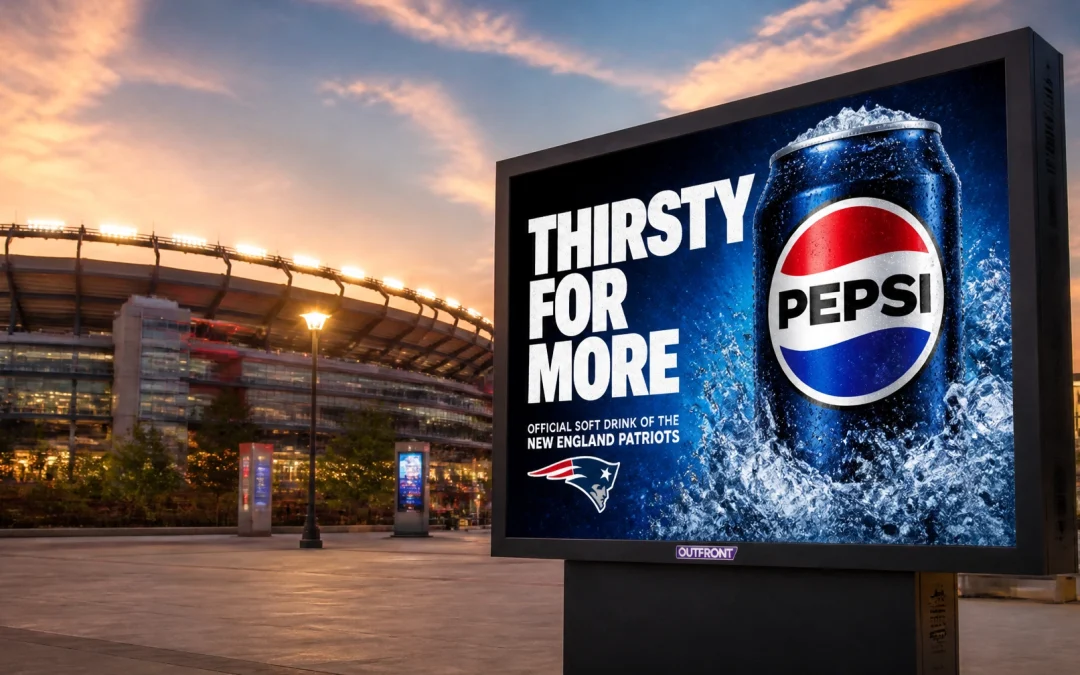
The transition from a passive spectator to a dedicated brand advocate does not occur within the vacuum of a stadium seat. It is the result of a coordinated, multi-touchpoint journey that begins long before the first whistle and continues well after the final score. For brands looking to capture the attention of high-value sports audiences, the traditional approach of isolated sponsorships is often insufficient. Instead, a comprehensive strategy involving the 10-mile stadium zone offers a way to saturate the fan experience and drive measurable engagement.
By leveraging a network of digital out-of-home (DOOH) assets within a 10-mile radius of major sports venues, advertisers can create a halo effect that makes a brand feel synonymous with the event itself. This strategy relies on precision targeting, technological integration, and a deep understanding of the fan journey to turn fleeting impressions into lasting advocacy.
Objective and Strategy
The primary objective of a 10-mile stadium zone campaign is to achieve hyper-local saturation during a specific window of high emotional engagement. Sports fans represent a unique demographic characterized by loyalty, passion, and a high likelihood of sharing their experiences on social media. Capturing this audience requires a strategy that follows their physical movement throughout the game day.
Mapping the Fan Journey
The fan journey is rarely a straight line from home to the arena. It involves multiple stops at various third-party locations that are integral to the game day culture. A 10-mile perimeter strategy identifies these key hubs and places digital messaging at every critical intersection.
- Commute and Transit: Roadside digital billboards and highway signs along primary travel corridors capture fans as they move toward the venue.
- Pre-Game Gathering Spots: Digital screens in sports bars, casual dining restaurants, and Quick Service Restaurants (QSRs) engage fans while they eat and socialize before the event.
- Active Lifestyle Touchpoints: Gyms and fitness centers within the radius provide opportunities to reach fans who maintain an active lifestyle, aligning the brand with health and wellness themes.
- Retail and Urban Centers: Urban panels and office building displays in the surrounding city center ensure the brand remains visible to both fans and local commuters.
By maintaining a consistent presence across these varied environments, a brand moves from being a simple advertiser to becoming a part of the local atmosphere. This frequency of exposure is essential for building the brand recall necessary for advocacy.

Technology Partners and Integration
Executing a 10-mile radius campaign requires a robust technological framework that can manage thousands of digital screens simultaneously while responding to real-time events. OOH Sports utilizes programmatic DOOH platforms to automate the buying and delivery of advertisements across a diverse network of signs.
Programmatic DOOH and Real-Time Triggers
One of the most significant advantages of digital out-of-home advertising is the ability to use data-driven triggers to optimize campaign performance. Unlike static billboards, digital screens can be updated instantly based on external factors.
- Game-Day Scheduling: Campaigns are programmed to run exclusively on game days, ensuring that the budget is concentrated during peak audience hours.
- Contextual Relevance: Creative assets can change based on the score of the game, the weather, or specific match milestones like a home run or a touchdown.
- Rainout Protection: For outdoor venues, automated systems can pause campaigns during weather delays or rainouts, protecting the advertiser's investment from being wasted on empty streets.
- CPM-Based Flexibility: Advertisers can choose CPM rates that align with their goals, typically ranging from $5 to $30, allowing for scalable campaigns that fit different budget requirements.
This level of technological integration ensures that the right message reaches the right fan at the most impactful moment. For more information on the technical capabilities of these networks, exploring the Sportrons network provides insight into how in-stadium and out-of-stadium assets work together.
Logistics and Targeting
Targeting a stadium audience involves more than just geographic proximity. It requires a nuanced understanding of who is in the 10-mile zone and why. OOH Sports employs advanced location data and device-ID exposure tracking to refine audience segments.
Hyper-Local Saturation
The concept of the 10-mile zone is rooted in the idea that fans do not just exist inside the stadium; they dominate the surrounding area. By saturating this zone, a brand can achieve a dominant share of voice. This is particularly effective for brands that are not official sponsors of the event but wish to capture the excitement surrounding it. For example, a brand might use DOOH assets to surround a major marathon or championship game, creating a perceived association through sheer visibility.
Precision Targeting Tactics
- Geofencing: Setting digital boundaries around specific venues and high-traffic areas ensures that ads are only triggered when the target audience is present.
- Venue-Specific Selection: Media buyers can select specific stadiums or arenas based on the demographic profile of the fans. A campaign for a luxury car brand might target a professional tennis tournament, while a beverage brand might focus on college football stadiums.
- Dynamic Creative Optimization (DCO): Using real-time data to swap out creative elements like text, images, or calls to action based on the specific location of the screen.

Extending Reach: The Sportrons Connection
While the 10-mile zone focuses on the area surrounding the venue, the Sportrons network extends this reach inside the stadium itself. This creates a seamless transition for the fan. They see the brand on a highway billboard, then on a screen in a nearby bar, and finally on digital displays in the stadium concourse, food courts, and high-traffic fan areas.
This "inside-out" approach is critical for turning spectators into advocates. When a fan encounters a brand at every stage of their journey, the brand gains credibility. It no longer feels like an interruption; it feels like a supporter of the team and the sport. This emotional connection is the foundation of brand advocacy.
Results and Measurement
In the modern advertising landscape, visibility without measurement is insufficient. The success of a 10-mile stadium zone campaign is determined through a combination of exposure data, brand lift studies, and attribution modeling.
Quantifying the Impact
Data from various campaigns indicates that programmatic DOOH around sports events can lead to significant increases in key performance indicators.
- Brand Lift: Studies have shown that consistent exposure throughout the fan journey can lead to a 74% lift in purchase consideration, as seen in recent alcoholic beverage launches.
- Brand Preference: For established brands, hyper-local saturation can increase positive brand image by over 119%, reinforcing existing loyalty and converting casual fans into advocates.
- Foot Traffic Attribution: By tracking device-IDs exposed to DOOH ads, marketers can measure the actual increase in visits to retail locations or restaurant franchises following a game-day campaign.
Consolidated Reporting
One of the logistical challenges of OOH advertising is the fragmentation of data. OOH Sports addresses this by providing consolidated reporting that covers all screen types and locations within the campaign. This allows CMOs and media planners to see a holistic view of their reach and frequency, rather than managing multiple disparate reports.

The Path to Advocacy
Turning a spectator into a brand advocate requires a shift in perspective. Instead of viewing a sports game as a single event, it should be viewed as a 24-hour cultural moment. The 10-mile stadium zone allows brands to enter that moment naturally and stay there until long after the crowds have dispersed.
The combination of proximity, emotional high points, and high-frequency digital messaging creates a unique environment for brand growth. When fans associate a positive game-day memory with a brand they saw consistently from the commute to the concourse, advocacy is the natural result.
To learn more about the strategic implementation of these campaigns and to view specific success stories, interested parties can review the case study section of the OOH Sports website. For those looking to understand the broader context of the industry, the blog offers regular updates on the evolving landscape of sports marketing and DOOH technology.

By embracing the power of the 10-mile zone, creative directors and CMOs can move beyond traditional boundaries and build a brand presence that is as dynamic and enduring as the sports themselves.