
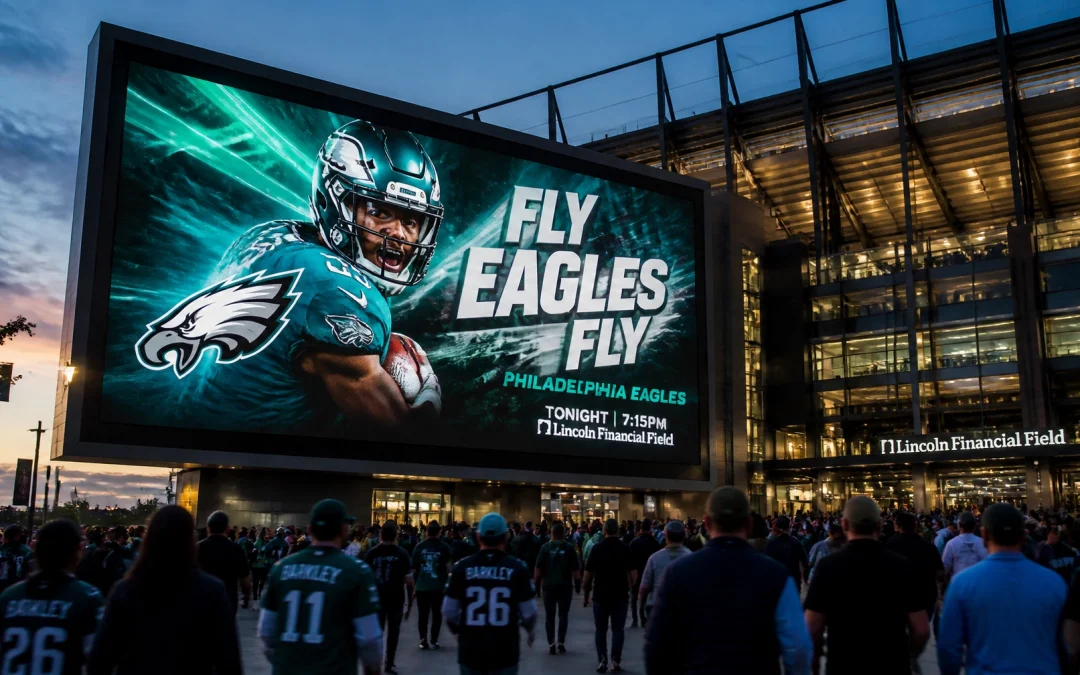
The landscape of sports marketing is undergoing a significant transformation. Traditional advertising methods, while still relevant, are being supplemented and enhanced by Digital Out of Home (DOOH) technology. This shift is not merely about replacing static posters with digital screens. It represents a fundamental change in how brands interact with fans in and around sports arenas. Innovation in this space allows for a level of precision, flexibility, and engagement that was previously unattainable.
For media buyers and brand managers, the goal is to reach the right audience at the moment of highest impact. In the context of sports, this means capturing the attention of fans when their emotional engagement is at its peak. Sports DOOH provides a platform to do exactly that, utilizing data driven strategies to deliver messages that resonate with the fan experience.
Objective and Strategy: Precision at Scale
The primary objective of modern sports DOOH is to bridge the gap between high impact physical presence and digital precision. Unlike traditional out of home advertising, which often relies on broad reach and long lead times, digital innovation enables a more surgical approach. The strategy focuses on several key areas to maximize effectiveness.
- Geographic Relevance: By deploying digital screens in high traffic areas within a 10 mile radius of sports venues, brands can target fans during their entire journey. This includes transport hubs, parking areas, and popular gathering spots near the stadium.
- Audience Based Targeting: Leveraging mobile location data and behavioral signals, campaigns can be directed toward specific fan segments. This ensures that the content is seen by individuals who are most likely to have an interest in the product or service.
- Contextual Alignment: Messages are tailored to the specific event taking place. For example, creative content can be adjusted based on the team playing, the importance of the game, or even the current score.
This strategic approach ensures that every impression is valuable. It moves the conversation from simple visibility to meaningful engagement.

Tactics: Real-Time Triggers and Live Data
One of the most significant innovations in sports DOOH is the use of real-time data triggers. This technology allows advertisements to change dynamically based on live events. This tactic keeps the messaging fresh and highly relevant to the fan’s immediate experience.
- Live Score Updates: Screens can display real-time scores alongside brand messaging. This provides a utility to the fan, making the advertisement more welcome and memorable.
- Weather and Traffic Triggers: Creative content can shift based on external conditions. If it starts to rain, a brand might pivot to promoting indoor activities or apparel. If traffic is heavy after a game, messaging might focus on nearby dining or entertainment options to encourage fans to stay in the area longer.
- Social Media Integration: Live feeds from social media can be integrated into the DOOH content. This creates a sense of community and allows fans to see their own engagement reflected on large screens.
By using these tactics, brands can ensure that their creative content is never static. It becomes a living part of the game day atmosphere, enhancing the overall fan experience rather than interrupting it. Platforms like Sportrons are designed to facilitate this level of dynamic interaction.
Technology Partners: The Programmatic Advantage
The rise of programmatic DOOH (pDOOH) has revolutionized the buying and planning process for sports advertising. By automating the purchase of ad space, media buyers gain a level of control and transparency that was previously impossible in the OOH space.
Partnerships with demand side platforms (DSPs) are central to this evolution. For instance, the use of specialized platforms like the StackAdapt DSP allows for the seamless integration of DOOH into broader omnichannel strategies. Programmatic technology offers several advantages.
- Flexibility: Campaigns can be launched, paused, or adjusted in real time. This is particularly useful in the unpredictable world of sports.
- Efficiency: Automated bidding ensures that brands pay a fair market price for impressions, optimizing the overall budget.
- Data Integration: Programmatic platforms can ingest first party and third party data to refine targeting parameters continuously.
This technological backbone is what allows sports DOOH to behave more like digital display advertising, providing the same level of accountability and optimization while maintaining the physical impact of a massive billboard.

Omnichannel Integration: Bridging Physical and Digital
Innovation in sports DOOH is not happening in a vacuum. It is increasingly viewed as a critical component of a comprehensive omnichannel marketing strategy. The goal is to create a seamless experience for the fan as they move between physical environments and their personal digital devices.
A common tactic is the use of device ID exposure. When a fan is in proximity to a DOOH screen, their mobile device ID can be captured anonymously. This allows the brand to retarget that same fan later with a related message on their smartphone or connected TV (CTV). This sequential messaging reinforces the brand promise and moves the fan further down the purchase funnel.
For example, a fan might see a high impact advertisement for a new beverage on a digital screen outside the stadium. Later that evening, while checking game highlights on their phone or watching a sports recap on CTV, they receive a targeted ad with a special offer for that same beverage. This integrated approach significantly increases the likelihood of conversion.
Measurement and Results: Data Driven Success
The ultimate proof of innovation lies in the results. Modern sports DOOH provides a wealth of data that allows brands to measure the impact of their campaigns with high precision. This includes everything from initial awareness to bottom line sales lift.
Recent campaigns have demonstrated the effectiveness of these strategies across various industries.
- Purchase Consideration: A programmatic DOOH campaign for White Claw resulted in a 74% lift in purchase consideration for a new product launch.
- Brand Image: Mike’s Hard Iced Tea saw a 119% lift in positive brand image by utilizing programmatic DOOH to reach fans in relevant environments.
- New Channel Success: Even for brands new to the space, the results can be substantial. Sea-Doo’s first digital OOH campaign led to a 144% increase in purchase consideration.
These results are measured using advanced attribution methodologies, such as brand lift studies and foot traffic analysis. By comparing exposed groups to control groups, marketers can isolate the specific impact of the DOOH campaign. This data driven approach removes the guesswork and provides a clear ROI for every dollar spent.

The Future of Fan Engagement
The innovation within sports DOOH is set to continue as technology evolves. Emerging formats, such as anamorphic 3D displays, are already beginning to appear in major cities. these displays create a striking visual effect that can make creative elements appear to leap off the screen, capturing fan attention in a crowded physical environment.
Furthermore, the integration of augmented reality (AR) and interactive elements will likely become more prevalent. Imagine a scenario where a fan can scan a QR code on a digital billboard to unlock an exclusive AR experience or participate in a real-time stadium poll. These types of interactive activations further blur the line between the physical and digital worlds, creating a truly immersive fan experience.
As the network of digital screens expands and data capabilities become even more sophisticated, the opportunity for brands to connect with sports fans will only grow. Sports DOOH is no longer a peripheral part of a marketing plan. It is a central, innovative force that is changing the way brands reach, engage, and convert fans across the country.
For those involved in the planning and buying of media, staying ahead of these trends is essential. By embracing the power of programmatic DOOH and real-time data, brands can ensure they are not just seen, but remembered, in the hearts and minds of passionate sports fans.