
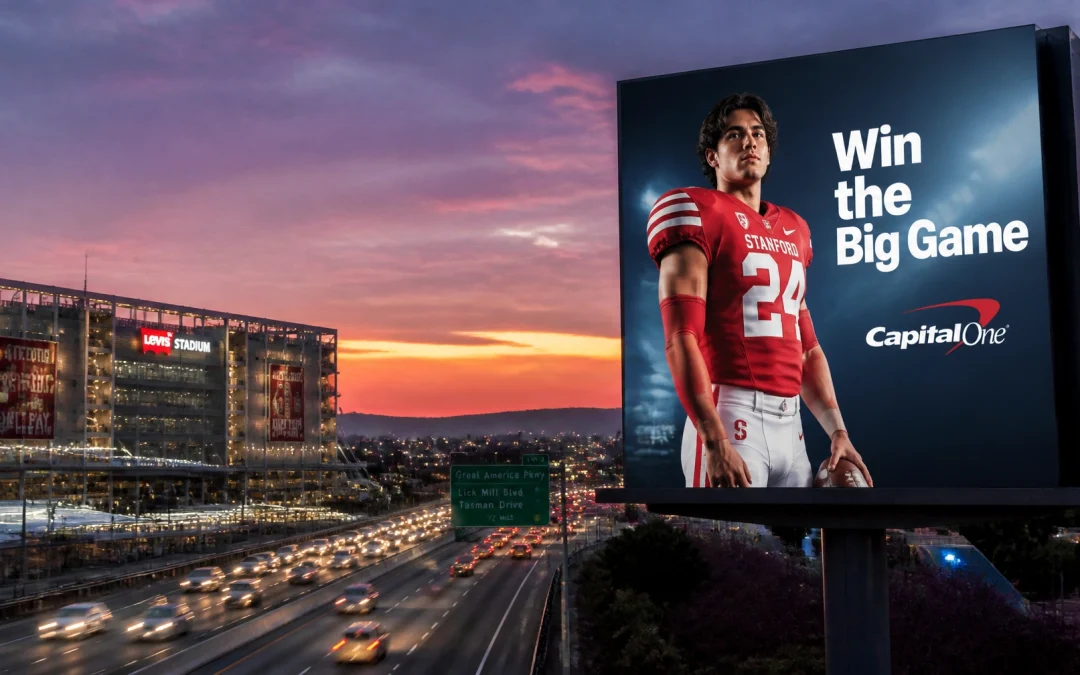
The advertising landscape for Super Bowl LX in 2026 is defined by a shift toward authenticity and hyper-local engagement. As traditional broadcast costs continue to escalate, media buyers are seeking more efficient ways to dominate the conversation. The integration of Name, Image, and Likeness (NIL) platforms with Digital Out-of-Home (DOOH) networks offers a scalable solution to capture fan attention where it is most concentrated.
By connecting with over 20,000 authentic student-athlete voices, brands can create an omnipresent narrative that extends far beyond the stadium walls. This guide outlines a five-step strategic framework for scaling NIL advertisements to maximize impact during the 2026 Super Bowl season.
Step 1: Build a Multi-Tiered Athlete Roster
Scaling NIL efforts requires moving beyond single-star endorsements. A successful 2026 campaign relies on a "portfolio approach" that categorizes athletes into three distinct tiers to ensure both national reach and local depth.
- National Anchors: Select two to three high-visibility college athletes to serve as the face of the national creative. These individuals should align with the core brand identity and appear in high-production hero content.
- Regional Specialists: Identify 20 to 50 athletes with significant followings in the host city (Santa Clara/San Francisco) and key sales markets. These athletes bridge the gap between national messaging and local relevance.
- Niche Micro-Creators: Activate hundreds of athletes across diverse sports and demographics. This tier drives the highest engagement rates by tapping into specific subcommunities and campus ecosystems.
With access to a network of over 20,000 student-athletes, media buyers can automate the recruitment and briefing process, ensuring a unified message is delivered across thousands of individual social channels simultaneously.

Step 2: Implement Strategic 10-Mile Geo-Fencing
Visibility during the Super Bowl is most critical within the immediate vicinity of the venue. OOH Sports provides a specialized network that covers a 10-mile perimeter around major sports arenas, including Levi’s Stadium.
- Venue Proximity: Targeting digital screens within this radius ensures that the brand remains top-of-mind for the hundreds of thousands of fans, corporate partners, and media personnel attending game-week events.
- Path-to-Purchase: Strategic placement on transit hubs, digital bulletins, and street furniture creates a continuous brand presence from the airport to the stadium.
- Contextual Relevance: By syncing NIL creative with DOOH assets in this perimeter, a brand can mirror the social media content fans are seeing on their phones with the massive digital boards they see on the street.
This geographic focus reduces wasted impressions and concentrates the budget on the highest-value audiences in the world during the first week of February 2026.
Step 3: Integrate Programmatic DOOH for Scalability
Traditional OOH buying can be slow and rigid. To win Super Bowl 2026, media buyers must utilize programmatic DOOH to maintain flexibility and scale.
- Real-Time Bidding: Programmatic platforms allow for the adjustment of bids based on time of day, weather, or game-day traffic patterns.
- Dynamic Creative Optimization (DCO): Brands can automatically swap out creative assets to feature different NIL athletes depending on the specific neighborhood or the current state of the game.
- Omnichannel Alignment: Programmatic buying ensures that the DOOH layer acts as a physical extension of the digital and social campaigns. When an athlete posts a video, the corresponding branded creative can go live on screens within the 10-mile stadium perimeter within minutes.
Leveraging technology partners like StackAdapt allows for seamless execution across a fragmented media landscape.

Step 4: Synchronize Game-Day Content Waves
The Super Bowl is no longer a single-screen event. NIL athletes provide the "second-screen" layer that keeps fans engaged during halftime, commercial breaks, and post-game celebrations.
- The Pre-Game Tease: Utilize the NIL roster to build anticipation in the 24 hours leading up to kickoff.
- Live Reaction Sync: As key moments happen during the game, have pre-approved athlete content ready to launch. This "always-on" approach ensures the brand is part of the organic conversation.
- The Post-Game Long Tail: After the trophy presentation, transition the NIL content toward conversion-focused messaging, such as limited-time offers or "unboxing" commemorative gear.
This synchronized approach turns a 30-second investment into a week-long cultural event. For more on how these campaigns come together, view the overview below:
https://www.youtube.com/watch?v=l6J-0zileKE
Step 5: Execute Data-Driven Measurement and Attribution
The final step in scaling NIL ads for the Super Bowl is proving the return on investment through rigorous data analysis.
- Brand Lift Studies: Measure the increase in brand awareness and purchase consideration among audiences exposed to both the NIL social content and the DOOH perimeter ads.
- Device ID Pass-Back: By tracking device IDs that were within the 10-mile perimeter and exposed to the DOOH screens, media buyers can retarget those same individuals with NIL-led social ads later.
- Conversion Metrics: Use unique offer codes assigned to different athlete tiers to track which segments of the roster drove the most direct sales or app installs.
Previous campaigns, such as those for White Claw, have demonstrated that programmatic DOOH can drive up to a 74% lift in purchase consideration when executed with precision.

Conclusion
Winning Super Bowl 2026 requires a departure from traditional, siloed advertising. By scaling NIL ads through a massive network of 20,000+ athletes and anchoring that digital presence with a dominant DOOH strategy in the 10-mile stadium perimeter, brands can achieve unprecedented levels of frequency and trust. The combination of authentic human voices and larger-than-life digital displays creates a brand ecosystem that is impossible for fans to ignore.
For brands looking to secure their position in the 2026 sports calendar, early planning and a focus on programmatic scalability are the keys to success.