
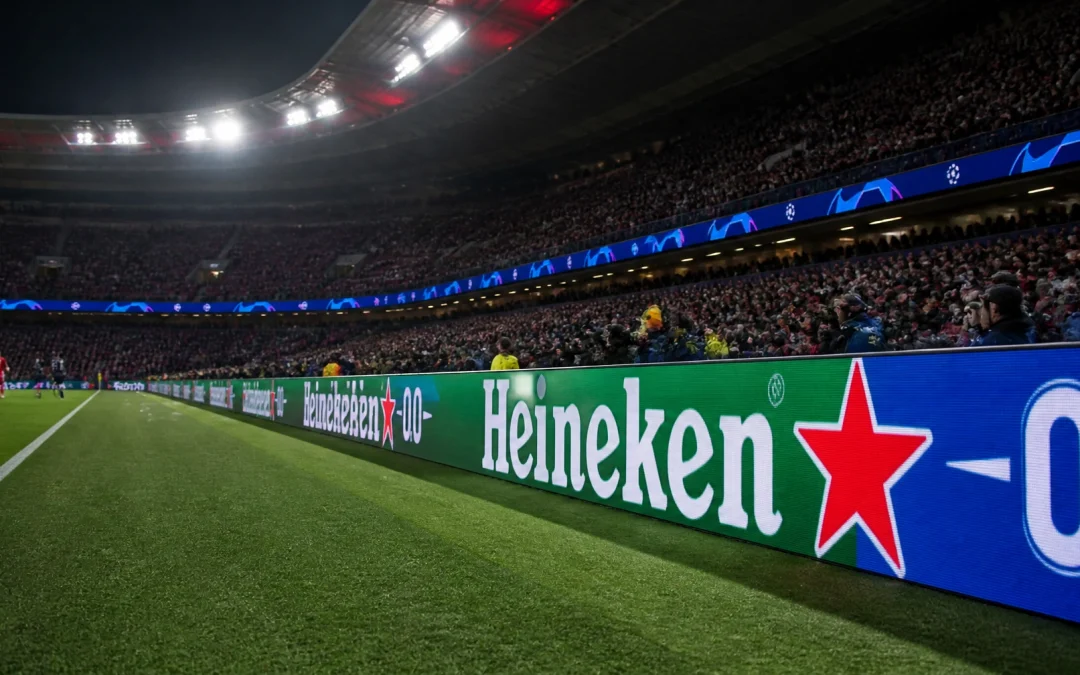
Stadium perimeter advertising has evolved from static boards into a sophisticated digital ecosystem. For brand managers and chief marketing officers, these digital assets represent more than just visibility. They are the anchor of a comprehensive fan engagement strategy. By leveraging digital out of home (DOOH) technology, brands can now reach fans at the peak of their emotional investment. This strategy moves beyond simple logo placement to create a multi-layered interaction that follows the consumer from the stadium to their everyday environments.
The effectiveness of this approach relies on technical precision and strategic integration. A brand message displayed on the field perimeter serves as a primary touchpoint, but its value is multiplied when synchronized with mobile devices and surrounding digital networks. This creates a cohesive narrative that persists throughout the entire match day experience.
Objective and Strategy
The primary objective of integrating perimeter ads with fan engagement is to capitalize on the high-attention environment of live sports. Fans are a captive audience, and their attention is focused on the field of play. Perimeter boards sit within the direct line of sight for both stadium attendees and broadcast viewers.
The strategy involves three core pillars. First, the brand must establish a presence at the "ground zero" of fandom. Second, it must bridge the gap between passive viewing and active engagement through digital triggers. Third, it must extend the life of the campaign by retargeting fans in the hours and days following the event.
By utilizing the OOH Sports network, advertisers can access digital video boards in every category. This includes the perimeter and up to 10 miles around sports venues. This geographic precision ensures that the message is not only seen during the game but also at transit hubs, bars, and gyms where fans congregate before and after the event.
Technology Partners
Executing a modern perimeter strategy requires a robust technological foundation. Success is rarely achieved through a single platform. Instead, it involves a collaboration between specialized providers.
- Supply-Side Platforms (SSPs): These platforms manage the inventory of digital screens, allowing for programmatic buying of perimeter space.
- Demand-Side Platforms (DSPs): Partners like StackAdapt allow media planners to bid on and execute campaigns in real time, ensuring that creative is delivered to the right audience at the optimal moment.
- Data and Attribution Partners: Companies specializing in mobile location data help track device IDs exposed to the perimeter boards. This data is critical for measurement and subsequent mobile retargeting efforts.
- Creative Content Management Systems: These systems allow for dynamic creative optimization (DCO), where the content on the boards can change based on live game data, such as the score or a specific play.

Implementation: Tactics for Integration
Integration is the process of turning a visual impression into a measurable action. Strategic implementation requires the use of several tactical layers.
Dynamic Creative and Real-Time Triggers
Digital perimeter boards allow for immediate response to game conditions. If a home team scores, the creative can shift to a celebratory message or a limited-time offer. This relevance increases the likelihood of fan recall. The technology behind real-time sports betting DOOH serves as a blueprint for how brands can use live data to drive engagement.
QR Code and Mobile Interactivity
Including a clear call to action (CTA) on the perimeter board is essential. A QR code can direct fans to a mobile microsite, a merchandise store, or a digital coupon. This tactic creates a direct link between the physical environment and the digital world. It also provides immediate data on fan interest levels.
Omnichannel Synchronization
The campaign should not exist in isolation within the stadium. A fan who sees a perimeter ad should encounter similar messaging on digital screens in sports bars or fitness centers later that day. This creates a sense of brand ubiquity.
Device ID Retargeting
By capturing the device IDs of fans present in the stadium, brands can serve follow-up ads on the fans' personal mobile devices. This retargeting ensures that the engagement started by the perimeter board continues after the fan leaves their seat. It is a critical component of a full-funnel sports marketing approach.

Results and Measurement
The success of a perimeter integration strategy is measured through a combination of brand lift and behavioral metrics. Moving away from estimated impressions toward verifiable data is the current industry standard.
Recent campaigns have demonstrated the impact of this integrated approach. For instance, White Claw's programmatic DOOH campaign resulted in a 74 percent lift in purchase consideration. Similarly, Mike’s Hard Iced Tea achieved a 119 percent lift in positive brand image by focusing on targeted DOOH placements.
Key performance indicators (KPIs) for these campaigns typically include:
- Brand Awareness and Recall: Measured through post-event brand lift studies comparing exposed vs. unexposed audiences.
- Mobile Engagement Rates: Tracking the number of scans or clicks generated by in-stadium CTAs.
- Foot Traffic Attribution: Measuring how many fans who saw the perimeter or surrounding DOOH ads later visited a retail location.
- Conversion Lift: Quantifying the increase in sales or sign-ups directly attributable to the exposed audience.
Using sophisticated AI-powered analytics allows for the isolation of these variables. This provides a clear ROI for creative directors and CMOs who must justify their media spend.

Strategic Alignment
The transition from traditional signage to an integrated DOOH strategy is a necessity in the modern attention economy. Stadium perimeter ads are no longer static background elements. They are dynamic catalysts for fan engagement. By coordinating these placements with a wider network of 25,000 digital screens, brands can own the fan journey from the first whistle to the final post-game celebration.
Creative directors should focus on visual simplicity that thrives in high-motion environments. CMOs should prioritize technology partners that offer transparent attribution and real-time flexibility. When these elements align, the stadium perimeter becomes the most powerful asset in the sports marketing arsenal.
The objective is to move the brand from being a spectator to being a participant in the fan experience. With the right strategy and technical execution, perimeter advertising delivers a level of impact that traditional media cannot replicate.