
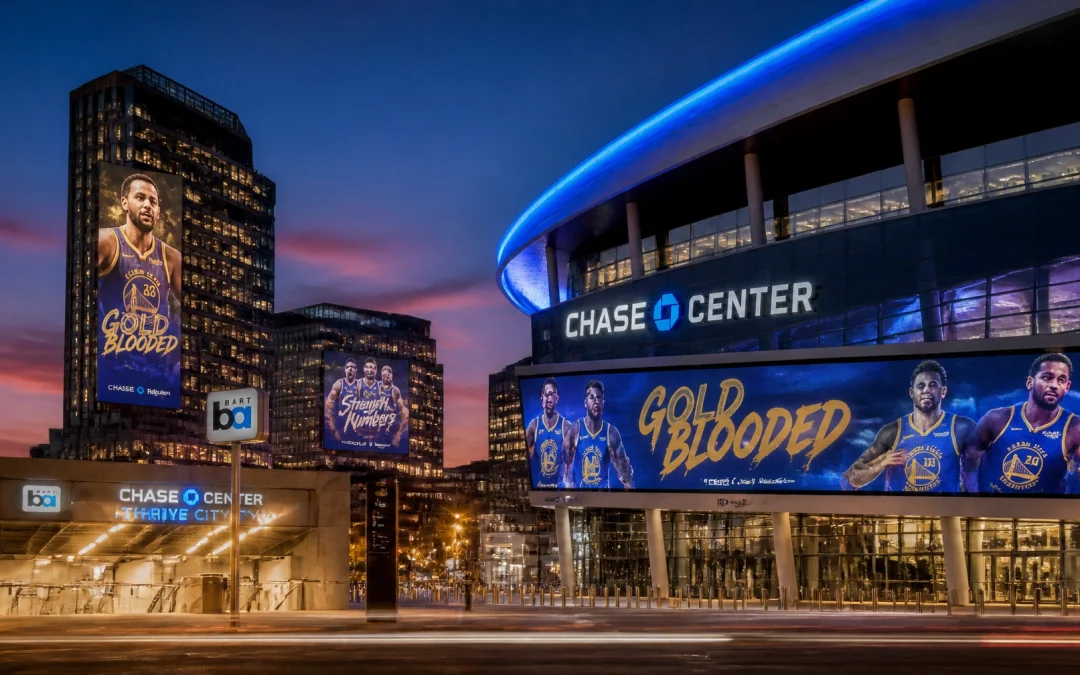
Traditional marketing methods are facing a significant shift as sports media evolves into a data-driven, multi-channel experience. For media buyers and brand managers, gaining a competitive edge requires looking beyond standard television spots and static stadium banners. Digital Out-of-Home (DOOH) advertising has emerged as a powerhouse in this arena, offering a level of precision and flexibility that was once impossible.
What is the branding edge in sports DOOH innovation?
Sports DOOH innovation allows brands to target high-intent fans using programmatic technology, real-time data triggers, and hyper-local perimeter targeting. By synchronizing digital billboards with mobile retargeting within a ten-mile radius of arenas, advertisers achieve significant lifts in brand awareness and purchase consideration. This technology-driven approach transforms outdoor ads into a measurable performance channel that adapts to live game events and fan behavior.
Strategic implementation of these innovations is no longer optional for brands seeking to dominate the sports landscape. Here are ten things every professional in the industry should know about the current state of sports DOOH innovation.
1. Programmatic Buying Offers Unprecedented Agility
The transition from manual to programmatic buying is perhaps the most significant innovation in the field. Programmatic DOOH allows advertisers to buy, schedule, and optimize digital screens through Demand-Side Platforms (DSPs). This automation means campaigns can be launched or adjusted in minutes rather than weeks.
According to industry data, nearly 28 percent of advertisers now run exclusively programmatic DOOH. This shift allows for more efficient budget allocation, as brands only pay for impressions delivered during peak fan engagement times. The flexibility to pause, pivot, or scale based on performance metrics provides a safety net that traditional static billboards cannot offer.
2. Hyper-Local Perimeter Targeting Within a 10-Mile Radius
One of the most effective strategies involves creating a digital perimeter around sports venues. Modern DOOH networks can target audiences within a three to ten-mile radius of a stadium. This area is the primary zone where fans congregate before and after events, making it prime real estate for brand messaging.
By focusing on this specific geographic area, brands ensure that their messaging is seen by a concentrated group of high-intent consumers. This proximity targeting often leads to higher recall rates and more direct path-to-purchase behaviors, especially when ads are placed in transit hubs or near retail locations where fans purchase game-day supplies.

3. Dynamic Creative Integration with Live Data
Innovation in creative delivery has moved past simple video loops. DOOH screens can now integrate live data feeds to trigger specific messages based on real-time events. This includes live score updates, countdowns to kickoff, and even weather-based messaging.
For example, a beverage brand might trigger a specific "celebration" ad the moment a home team scores a touchdown. Studies have shown that dynamic, contextually relevant ads drive a 2.2x recall advantage over static versions. When an ad reflects the current reality of the fan experience, it ceases to be background noise and becomes part of the event narrative.
4. The Power of Mobile Retargeting and Omnichannel Sync
A standalone billboard is effective, but an omnichannel approach is transformative. Modern sports DOOH platforms use anonymized location data to identify mobile devices that have been exposed to a specific digital screen. These users can then be retargeted with follow-up ads on their smartphones.
This sequential storytelling ensures that the initial brand awareness built on the large screen is reinforced through a personal device. Research indicates that store visitation increases by up to 127 percent when DOOH is paired with mobile retargeting. This connection closes the loop between outdoor exposure and digital conversion, providing a clear pathway for the consumer to take action.

5. Flexible CPM Pricing Models
The innovation of programmatic platforms has introduced flexible Cost Per Thousand (CPM) pricing to the OOH world. Advertisers can choose CPM rates that align with their specific goals and budgets, typically ranging from $5 to $30. This makes sports marketing accessible to a wider range of brands, from local startups to global corporations.
This tiered approach allows for precise control over where and when ads appear. A brand might choose a lower CPM for broad awareness in gym environments while opting for premium $30 CPM placements on high-traffic highway signs leading directly to the arena during a championship game. For more details on budgeting, see this guide on how to capture your share of the growing DOOH market.
6. Event-Based Triggers and Game-Day Windows
Efficiency is a cornerstone of innovation. Brands can now set their campaigns to run exclusively on game days or during specific pre-game windows. This "flighting" ensures that ad spend is not wasted on empty streets or during hours when the target audience is not active.
This strategy is particularly effective for sports betting platforms and quick-service restaurants. By activating screens only when fans are in a specific mindset, brands maximize their impact and ROI. The ability to dominate the digital landscape for a few hours around a major event is a powerful tactic that mirrors the high-intensity nature of sports themselves.
7. Automatic Rainout and Cancellation Protection
One of the logistical breakthroughs in digital advertising is the ability to automatically pause campaigns during rainouts or event cancellations at outdoor venues. In the past, a traditional billboard buy would continue to run even if the game was postponed, leading to wasted impressions.
In a modern DOOH environment, if a game is canceled, the campaign stops immediately. This level of budget protection is a key factor for media planners who need to account for the unpredictability of outdoor sports. It ensures that every dollar spent is directed toward a live, engaged audience.
8. Diverse Network Inventory Beyond the Arena
Innovation has expanded the definition of sports media. A comprehensive sports DOOH network includes screens in a variety of locations where fans spend time outside the stadium. This includes:
- Sports bars and casual dining establishments
- Fitness centers and high-end gyms
- Office buildings and urban panels
- Transit hubs and highway signs
- Quick-service restaurants (QSRs)
By placing ads in these "everyday" locations, brands can maintain a consistent presence in the lives of fans. This diversified inventory allows for a broader reach and more frequent touchpoints throughout the consumer's daily routine.

9. In-Stadium Integration via Specialized Networks
While perimeter targeting captures the fan journey, in-stadium networks like Sportrons provide the final touchpoint inside the arena. These screens are located in high-traffic areas such as concourses, food courts, and fan zones.
Integrating in-stadium screens with external DOOH ensures a seamless brand experience from the moment a fan leaves their house until they reach their seat. This level of immersion is difficult to replicate through any other medium. For a comparison of these methods, review the analysis of programmatic DOOH vs traditional stadium ads.
10. Measurable Results and Brand Lift Data
The final and perhaps most crucial innovation is the ability to measure success with precision. Modern campaigns are backed by detailed attribution reports that quantify impact. Case studies have demonstrated remarkable results across various industries:
- White Claw: A programmatic DOOH campaign for a vodka launch drove a 74 percent lift in purchase consideration. Detailed findings can be found in the White Claw case study.
- Mike’s Hard Iced Tea: This campaign achieved a 119 percent lift in positive brand image by leveraging programmatic DOOH triggers. More information is available in the Mike's Hard report.
- Sea-Doo: Their first digital OOH campaign resulted in a 144 percent increase in purchase consideration, highlighting the platform's ability to drive interest in high-ticket items. See the Sea-Doo success story for further details.
These metrics prove that DOOH is no longer a "top-of-funnel" awareness play alone. It is a sophisticated tool capable of moving the needle on deep-funnel metrics like consideration and intent.

Strategy and Objective
To implement these innovations effectively, media planners must start with a clear objective. Whether the goal is to increase foot traffic to a nearby retail location or to drive app downloads during a game, the strategy should involve a mix of programmatic flexibility and hyper-local targeting. By using the perimeter strategy and mobile retargeting in tandem, brands can create a high-frequency environment that surrounds the consumer with relevant, timely, and engaging content.
Sports DOOH innovation is not just about brighter screens. It is about a smarter, more connected way of reaching people when they are most passionate and attentive.
Want more insights like this? Subscribe at www.oohsports.com.
Questions or partnerships? Call our AI Receptionist at +1 (970) 703-0102.
Dan Kost, CEO, Sports Media.
If this helped you, please comment, subscribe, and share.
Share:
LinkedIn
Facebook
X
Instagram
#Motivation #Branding #Strategy #Marketing #AdvertisingAndMarketing #digitalmarketing #Innovation #Sports #sportsmarketing #digitaloutofhome #DOOHadvertising #stadiumsignage #arenamedia #fanengagement #brandactivations #sponsorshipstrategy