
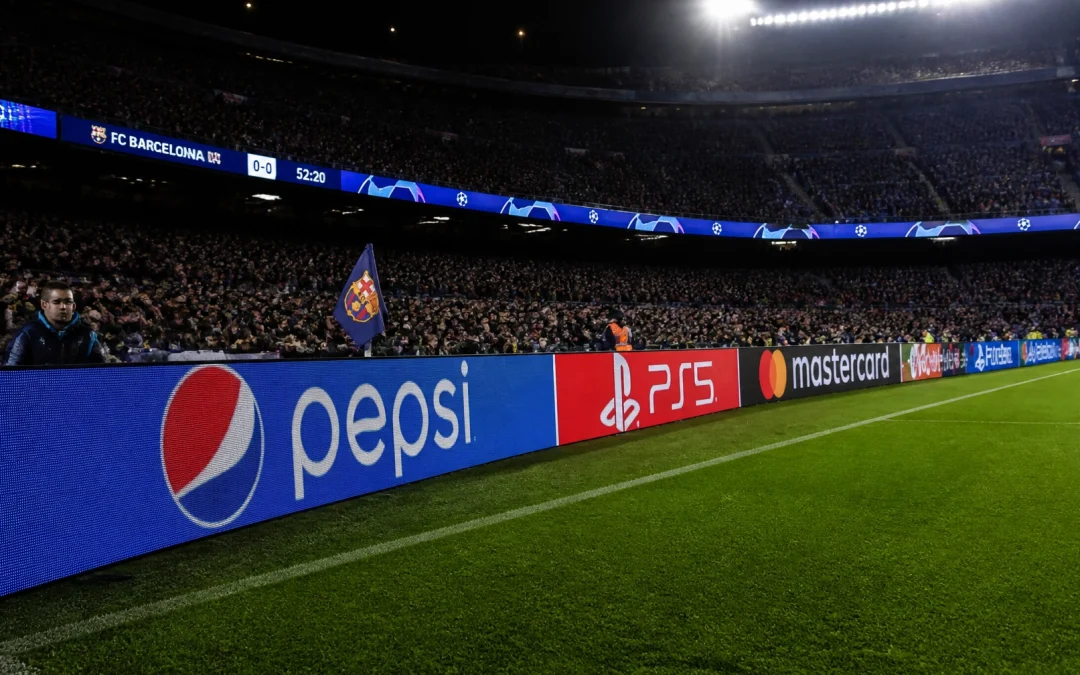
The roar of a stadium crowd is more than just noise. It represents a concentrated burst of human emotion, shared experience, and deep-seated loyalty. For brands, this environment offers a unique opportunity to connect with consumers when their attention is at its peak. Traditional advertising often struggles with fragmented audiences and skipping behaviors, but sports marketing operates in a realm of its own. By leveraging stadium perimeter advertising and the surrounding digital landscape, companies can transform a single afternoon of spectatorship into a lifetime of brand affinity.
Objective and Strategy: The 10-Mile Perimeter Advantage
The foundation of a successful sports branding campaign lies in geographic dominance and timing. Modern sports marketing strategies no longer rely solely on a single logo placed inside an arena. Instead, the focus has shifted toward creating a digital ecosystem that surrounds the fan from the moment they begin their journey to the game.
Strategic execution involves identifying the 10-mile radius around major sports venues. This zone is critical because it captures fans during their most receptive states: the anticipation of the pre-game commute, the excitement of the arrival, and the reflective period of the post-game departure. By securing access to every digital video advertising board within this perimeter, a brand ensures that its message is the consistent backdrop to the fan experience.
This strategy achieves several key objectives:
- It establishes a dominant brand presence that feels native to the event.
- It increases frequency of exposure without the fatigue associated with repetitive TV spots.
- It creates a "halo effect" where the prestige of the sporting event is transferred to the brand.

The Psychology of Fan Engagement
To turn a spectator into a fan, a brand must move beyond passive visibility. Fan engagement is rooted in the psychology of "moment marketing." When a brand appears during a high-stakes moment, such as a last-minute goal or a game-winning touchdown, it becomes anchored to the fan's emotional memory. This is often referred to as emotional stickiness.
Perimeter LED boards are particularly effective because they sit directly in the field of play. Unlike traditional commercial breaks, these boards are visible during the action, making the brand a participant in the game rather than an interruption. This integration helps overcome the natural resistance many consumers have toward advertising. When the brand is there for the celebration, it is perceived as a partner in the fan's passion.
Tactics for Stadium Perimeter Success
Effective campaign execution requires a mix of high-impact visuals and data-driven timing. Creative directors and CMOs should prioritize the following tactics to maximize the impact of stadium-adjacent Digital Out of Home (DOOH) media:
- Dynamic Creative Rotation: Static images are easily ignored. Using motion and dynamic content on perimeter boards draws the eye naturally. Movement should be used to highlight key messages or call-to-actions without distracting from the gameplay.
- Contextual Messaging: Aligning the creative with the specific event is essential. A campaign during a championship game should feel different from a regular-season match. Tailoring copy to reference the local team or the specific city builds immediate rapport with the local audience.
- Omnichannel Integration: The journey does not end at the stadium screen. Leading brands use perimeter advertising to drive second-screen engagement. For example, a board might feature a prompt that encourages fans to interact with a mobile app or a social media challenge.
For more insights on optimizing these visuals, professional planners often look at 10 DOOH industry insights to stay ahead of the curve.

Technology Partners: Scale and Programmatic Precision
The logistical challenge of managing thousands of screens is solved through programmatic DOOH platforms and massive network scale. OOH Sports provides a network that includes 25,000 screens, offering a level of reach that was previously unattainable for many regional or even national brands. This scale is the new gold standard for sports branding because it allows for simultaneous takeovers across multiple markets.
Programmatic buying allows media planners to be precise with their spend. Instead of buying a blanket period of time, brands can bid on specific hours when fan traffic is at its highest. This automation ensures that the budget is focused on high-value impressions within that crucial 10-mile stadium perimeter. The ability to toggle campaigns on or off based on real-time factors, such as weather or game scores, adds a layer of agility that traditional billboards cannot match.
Understanding why network scale matters is vital for any brand looking to dominate the sports landscape. Large-scale networks allow for a unified brand story to be told across different formats, from highway spectaculars to small-format retail screens near the venue.
Results and Measurement: Quantifying Brand Lift
In the past, out-of-home advertising was often criticized for a lack of clear attribution. Today, the integration of mobile location data and sophisticated measurement tools has changed the narrative. By tracking device IDs exposed to specific stadium perimeter boards, brands can measure the direct impact on consumer behavior.
Common metrics for success in these campaigns include:
- Brand Preference Rating: Successful campaigns often see a significant increase in brand preference among exposed fans compared to a control group. Data has shown that consistent exposure in sports environments can lead to a 15% to 20% lift in brand affinity.
- Foot Traffic Attribution: For retail or dining brands, the 10-mile perimeter strategy often results in a measurable spike in store visits in the hours following the game.
- Digital Engagement ROI: Tracking the conversion rate of QR codes or custom URLs displayed on stadium screens provides a clear line from the physical advertisement to a digital sale or sign-up.
By reviewing common mistakes in fan engagement, brands can refine their strategy to ensure these results are achieved consistently.

The Process of Implementation
Executing a stadium-centric campaign follows a logical progression of steps to ensure maximum ROI:
- Audience Identification: Analyze the demographics of the fans attending specific sports venues to ensure the brand message aligns with their interests.
- Asset Selection: Identify the highest-traffic digital boards within the 10-mile radius, including transit hubs, shopping centers, and stadium approaches.
- Creative Optimization: Develop high-contrast, legible creative that can be understood at a glance by fans in motion.
- Launch and Optimization: Deploy the campaign programmatically and adjust based on real-time performance data or game-day developments.
Conclusion: Winning the Long Game
Turning a spectator into a lifelong fan is a marathon, not a sprint. It requires a commitment to being present where the fans are and adding value to their experience. By utilizing the 25,000-screen network and the strategic 10-mile perimeter approach offered by OOH Sports, brands can move beyond simple visibility.
The future of sports marketing belongs to those who can bridge the gap between the physical energy of the arena and the digital habits of the modern consumer. When a brand successfully integrates into the ritual of game day, it ceases to be an outsider and becomes a part of the fan's identity. This emotional connection is the ultimate goal of any sports branding effort and the key to building a loyal customer base that lasts long after the final whistle.