
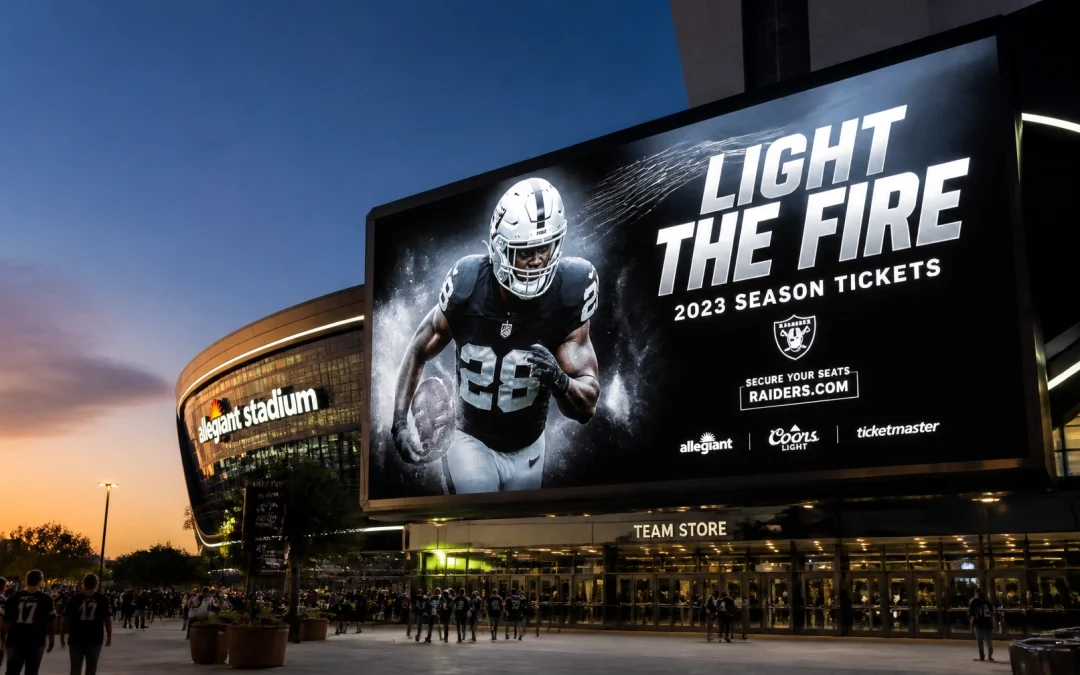
The landscape of sports advertising has undergone a significant transformation, moving from static, long-term placements to a dynamic, data-driven ecosystem. Digital Out of Home (DOOH) advertising has emerged as a cornerstone of modern sports marketing strategies, providing brands with the ability to reach highly engaged fans with precision and relevance. As the industry moves through 2026, several key drivers are shaping the next wave of innovation in this sector. This analysis explores the strategic shifts, technological advancements, and measurable outcomes that define the current state of DOOH in the sports arena.
The Shift Toward Programmatic DOOH (pDOOH)
One of the most profound changes in the industry is the rapid adoption of programmatic buying for digital out of home assets. Programmatic DOOH (pDOOH) has moved from an experimental tactic to a standard operating procedure for media planners and brand managers. By 2026, forecasts indicate that more than 65 percent of DOOH spend will be traded programmatically, reflecting a clear preference for the automation, scale, and flexibility that these platforms offer.
The programmatic model allows for audience-first planning rather than just location-based buying. Instead of purchasing a specific billboard for a fixed period, advertisers can now target specific audience segments across a variety of screens: ranging from stadium perimeters to transit hubs and retail environments. This shift is particularly beneficial in the sports vertical, where fan density and movement patterns are highly predictable around specific events. The OOH Sports Network milestone in programmatic delivery highlights how automation is enabling real-time engagement at a scale previously unattainable through manual processes.
Objective and Strategy: Real-Time Dynamic Creative Optimization (DCO)
In the competitive sports media landscape, the relevance of a creative message is often tied to the immediate context of a game or event. This is where Dynamic Creative Optimization (DCO) becomes a critical component of a successful strategy. DCO enables brands to serve advertisements that adapt in real time based on external data triggers.
For sports advertisers, these triggers often include live scores, game phases, or even crowd sentiment. A campaign can be programmed to display a specific "celebration" creative immediately following a home team touchdown or a last-minute goal. Furthermore, creative can be optimized for environmental factors such as weather and time of day. A beverage brand might promote cold refreshments during a hot afternoon tailgate and pivot to promoting a warm meal option as the sun sets and temperatures drop. This level of contextual relevance ensures that the messaging resonates with the fan's immediate experience, significantly increasing the likelihood of engagement.

Logistics and Tactics: The 10-Mile Perimeter Strategy
Precision targeting in sports advertising extends well beyond the interior of the arena. The concept of the "10-mile perimeter" has become a foundational tactic for brands looking to capture the full journey of a sports fan on game day. This strategy involves activating DOOH screens within a specific radius of the venue to create a continuous brand presence.
The 10-mile radius captures fans as they commute to the stadium, visit local sports bars, and engage in pre-game festivities. By saturating this perimeter, brands can achieve a halo effect, reinforcing their message across multiple touchpoints. This approach is particularly effective for high-stakes events. For example, a stadium strategy for major championships often relies on this radius to ensure that a brand dominates the local conversation before the first whistle blows. The perimeter strategy bridges the gap between digital mobile ads and the physical world, creating an omnichannel experience that surrounds the consumer.
Technology Partners and the Marketing Stack
The execution of sophisticated DOOH campaigns requires a robust technological infrastructure. Modern DOOH is no longer a siloed medium; it is a fully integrated component of the digital marketing stack. This integration is made possible through partnerships with specialized platforms that facilitate programmatic bidding, data management, and real-time delivery.
Key technology components include:
- Supply-Side Platforms (SSPs): These allow media owners to make their inventory available for programmatic purchase.
- Demand-Side Platforms (DSPs): These provide media buyers with the tools to manage multiple campaigns across different networks and regions.
- Data Providers: These offer critical insights into audience movement, demographics, and foot traffic patterns, allowing for more precise targeting.
- Ad Servers: These manage the delivery of dynamic creative assets based on the predefined data triggers.
By leveraging these technologies, advertisers can maintain a high degree of control over where and when their ads appear, ensuring that every impression is optimized for maximum impact. The use of Sportrons technology is an example of how specialized equipment and software can be used to deliver high-impact visuals in sports-specific environments.

Results and Measurement: Quantifying the ROI of Sports DOOH
The ability to measure the impact of a campaign is perhaps the most significant advancement in the modern DOOH industry. Advertisers are no longer reliant on estimated "eyes-on-glass" metrics. Instead, they can utilize advanced attribution models to prove ROI and refine future strategies.
Recent campaign data illustrates the effectiveness of event-driven DOOH. For instance, brands utilizing contextually targeted DOOH around major sporting events have reported as much as a 74 percent lift in purchase consideration. These results are verified through several measurement methodologies:
- Brand Lift Studies: Assessing changes in brand awareness, favorability, and intent among exposed versus non-exposed audiences.
- Foot Traffic Attribution: Tracking anonymized mobile device IDs to determine how many people visited a retail location or stadium after being exposed to a DOOH ad.
- Digital Conversion Tracking: Measuring app downloads, website visits, or online sales that occur following exposure to a campaign.
The data-driven nature of the 2026 DOOH landscape allows for a level of accountability that was previously only available in digital-only channels. This transparency is a major factor in the continued growth of DOOH budgets among major sports sponsors and advertisers.
Actionable Takeaways for Media Planners
To capitalize on these trends, media planners and brand managers should consider the following steps when developing their sports advertising strategies:
- Prioritize Programmatic Activation: Utilize pDOOH platforms to gain the flexibility needed to shift budgets in real time based on performance and event schedules.
- Develop Dynamic Creative Assets: Build modular creative that can respond to live data triggers. This ensures that the message is always timely and relevant to the unfolding action on the field.
- Adopt a Perimeter-Based Approach: Focus on the 10-mile radius around venues to capture the entire fan journey, from transit to the final whistle.
- Integrate DOOH with Mobile: Use geofencing and retargeting to bridge the gap between the physical billboard and the fan's mobile device, creating a multi-touch attribution path.
- Establish Clear Measurement KPIs: Define success metrics before the campaign begins, whether the goal is driving foot traffic, increasing purchase consideration, or boosting app engagement.
Conclusion
The next wave of sports advertising is defined by precision, relevance, and accountability. As DOOH technology continues to evolve, the ability to engage fans through programmatic buying, dynamic creative, and hyper-local targeting will only become more refined. By understanding the logistics of the stadium perimeter and the power of real-time data, brands can move beyond simple visibility and achieve deep, meaningful connections with their target audiences. The integration of DOOH into the broader marketing ecosystem ensures that it remains a high-performing channel for any brand looking to make an impact in the world of sports.
For those interested in exploring how these insights can be applied to specific campaigns, OOH Sports provides comprehensive access to digital video advertising boards across every category within the sports landscape.
Contact Information:
- Website: oohsports.com
- AI Receptionist: +1 (970) 703-0102
- Dan Kost, CEO, Sports Media
