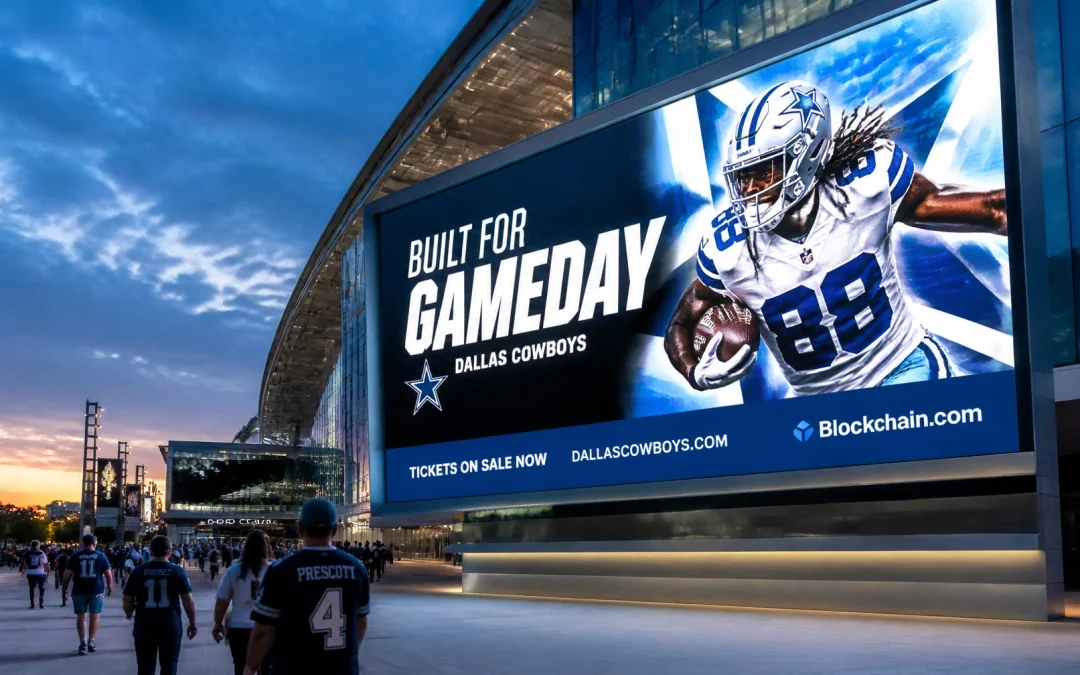
The landscape of sports marketing is undergoing a significant transition as brands move beyond the traditional confines of stadium walls. While jersey patches and court-side signage remain staples of the industry, a more dynamic and data-driven medium is reshaping how advertisers connect with fans. Digital Out-of-Home (DOOH) advertising has emerged as a critical tool for reaching audiences during their most passionate moments. By integrating high-impact visuals with real-time data, DOOH allows for a level of relevance that was previously unattainable in physical environments.
For media buyers and brand managers, the shift toward DOOH is driven by the need for precision and measurable impact. Unlike static billboards, digital screens offer the flexibility to change creative based on live game developments, weather conditions, or local audience movement. This flexibility ensures that the message remains as energetic and current as the sporting event itself.
Objective & Strategy: Capturing the Fan Journey
The primary objective of modern sports marketing campaigns is to maintain a consistent brand presence throughout the entire fan journey. This journey begins long before the first whistle and continues well after the final score is recorded. A successful DOOH strategy maps out the touchpoints where fans are most likely to engage with content.
Strategically, this involves identifying key locations such as transit hubs, major highways leading to arenas, and local establishments where fans gather. By deploying a comprehensive network of digital screens, brands can create a surround-sound effect that reinforces their messaging at every turn. The goal is to move from being a passive observer to an active participant in the fan's game-day experience.

Technology Partners & Innovation: The Programmatic Edge
Innovation in the sector is largely fueled by programmatic digital out-of-home (pDOOH) technology. This advancement allows for the automated buying, selling, and delivery of DOOH inventory. Technology partners provide the infrastructure necessary to execute complex campaigns that respond to live triggers.
One of the most impactful innovations is the use of real-time sports data. When a specific event occurs, such as a touchdown or a goal, pDOOH platforms can automatically update creative across a network of screens to reflect the current score or celebrate a milestone. This creates a sense of immediacy and shared experience with the audience. Furthermore, pDOOH provides real-time fan engagement at scale, enabling advertisers to optimize their spend by targeting only the most relevant moments.
The use of mobile location data also plays a vital role. By analyzing movement patterns, brand managers can determine the best times and locations to trigger ads. This data-driven approach ensures that impressions are not just high in volume but also high in quality.
Strategy: The 10-Mile Perimeter
A specialized tactic in sports DOOH is the establishment of a digital perimeter around sports venues. OOH Sports utilizes a network that covers a 10-mile radius around stadiums and arenas. This geographical targeting is designed to capture the attention of the concentrated fan base that is physically present in the area.
This perimeter strategy serves several purposes. It targets fans who are tailgating, those walking to the stadium, and those visiting nearby bars and restaurants. It also reaches the thousands of consumers who may not have tickets but are in the vicinity to soak up the atmosphere. By blanketing this 10-mile zone, brands can achieve a high frequency of exposure during a period of high emotional engagement. Avoiding common mistakes in fan engagement often involves recognizing that the fan experience extends far beyond the ticket gates.

Enhancing the Fan Experience Beyond the Stadium
The "watch party" economy represents a significant opportunity for DOOH innovation. Many fans choose to watch games at sports bars, gyms, or community centers. Integrating DOOH into these environments allows brands to tap into the social aspect of sports. Digital screens in these locations can offer interactive elements, such as QR codes for exclusive merchandise discounts or real-time polls.
Transit hubs are another critical component of the fan journey. Whether fans are using subways, buses, or ride-share services, digital signage at these points provides a prime opportunity for brand interaction. Advertisements in transit environments can provide helpful information, such as directions to the stadium or updates on game-day traffic, while simultaneously promoting a brand's message. This utility-based advertising increases the perceived value of the ad and fosters positive brand associations.
The ability to capture fans beyond the stadium gates is a hallmark of an effective omnichannel sports marketing strategy. It ensures that the brand remains top-of-mind, regardless of where the fan chooses to view the competition.

Results & Impact: Measuring Success
The efficacy of DOOH in sports marketing is supported by substantial data. Research indicates that 73 percent of consumers in the United States view DOOH advertisements favorably, a significantly higher rate than that of television or social media advertising. This positive perception is crucial in a sports context, where the goal is to enhance, rather than interrupt, the fan experience.
Measurable outcomes are a primary focus for media planners. Studies have shown that DOOH ads drive action in 76 percent of viewers. Specific results include:
- A 51 percent increase in business visits for ads that include directions to a nearby location.
- 93 percent of those visitors resulting in a purchase.
- Two-thirds of viewers conducting an online search for more information after exposure to a DOOH display.
Furthermore, DOOH has been shown to increase brand recall and consideration. By using device ID exposure and geo-fencing, advertisers can conduct brand lift studies that quantify the impact of a campaign on fan perception. This level of attribution allows for a clear understanding of ROI, making DOOH a highly accountable part of the media mix.
Conclusion: The Future of Sports DOOH
The transformation of sports marketing through DOOH is not a passing trend but a fundamental shift in how brands communicate with audiences. The combination of scale, precision, and real-time capability makes it an indispensable tool for any modern campaign. As the technology continues to evolve, the integration between the physical and digital worlds will only become more seamless.
By leveraging a new playbook for sports DOOH innovation, advertisers can ensure their messages are seen by the right fans at the right time. The ability to tell a brand's story in the sky and on the streets is what defines the next generation of sports marketing. OOH Sports remains at the forefront of this revolution, providing the network and the expertise to bring brands to life in the hearts of fans across the country.