
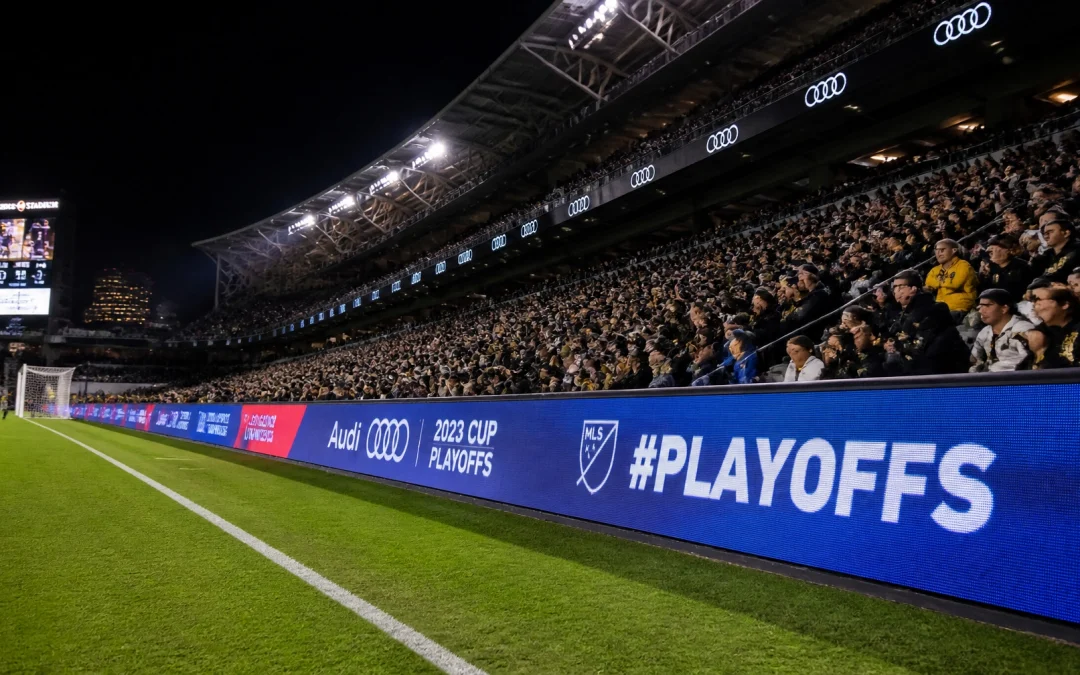
Sports marketing has undergone a massive transformation over the past decade. Traditional static signage has largely given way to dynamic, high-definition digital screens that line the edges of fields and arenas. For creative directors, brand managers, and CMOs, this evolution opens up entirely new avenues for connecting with audiences. Among all available formats, stadium perimeter advertising stands out as a powerful touchpoint that bridges the gap between live sports excitement and modern brand strategy.
When executed with precision, stadium perimeter advertising does not merely display logos. It integrates brand messaging directly into the unfolding narrative of the game. This comprehensive guide explores how modern brands leverage perimeter displays to elevate fan engagement, deepen sports branding, and maximize the impact of OOH sports campaigns.
Understanding Stadium Perimeter Advertising
Stadium perimeter advertising refers to the placement of physical or digital displays along the boundary lines of a sports venue. Traditionally composed of static painted boards, today's perimeter landscape is dominated by high-brightness LED video systems and virtual overlay technologies.
These digital boards occupy prime real estate within the stadium. They sit directly in the line of sight for in-stadium spectators and occupy prominent positions in broadcast camera angles, replay packages, and social media highlight reels. Because they are embedded in the field of view during peak emotional moments, brands receive continuous exposure that cannot be skipped, blocked, or ignored.
According to recent industry insights on fan engagement strategies, modern perimeter boards serve as interactive gateways rather than passive banners. They combine the physical energy of live sports with the flexibility of digital media.

Driving Fan Engagement Through Dynamic Content
Fan engagement is the cornerstone of modern sports marketing. Audiences today expect more than passive exposure. They look for relevance, interactivity, and authentic connections with the brands supporting their favorite teams.
Perimeter advertising facilitates this connection by moving beyond static imagery. Key engagement mechanics include:
- Dynamic Rotations: LED technology allows brands to alternate messages based on match events, scores, or time elapsed, keeping visual content fresh and preventing banner blindness.
- Contextual Relevance: Creative assets can shift in real time to match the intensity of the match, celebrating goals or key defensive plays with tailored graphics.
- Second-Screen Integration: Modern campaigns often incorporate QR codes or prompt calls to action that drive fans to mobile landing pages, exclusive merchandise, or in-app experiences.
Research in sports DOOH indicates that dynamic, data-driven perimeter creative can increase brand recall by approximately twenty percent compared to static alternatives. When paired with mobile retargeting, these campaigns capture immediate consumer intent while the audience is emotionally invested.
The Multi-Layered Impact on Sports Branding
For CMOs and brand directors, building long-term brand equity requires multi-layered visibility. Stadium perimeter advertising delivers broad reach across three distinct audience tiers:
- In-Stadium Spectators: Thousands of fans experience the sights, sounds, and scale of glowing perimeter displays firsthand, associating the brand with the electric atmosphere of the live venue.
- Broadcast Viewers: Millions tuning in via television or streaming services see the brand repeated across multiple camera angles, slow-motion replays, and post-match analysis shows.
- Digital and Social Audiences: Highlights shared across platforms like YouTube, TikTok, and Instagram extend the lifespan and geographical reach of the brand impression indefinitely.
This multi-tiered exposure reinforces sports branding effortlessly. Fans view sponsors not as intrusive interlopers, but as active participants in the matchday experience. When brands align their visual identity with the passion of sport, consumer trust and brand preference ratings rise significantly.

Extending OOH Sports Beyond the Stadium Walls
Perimeter advertising is rarely an isolated tactic. Leading media buyers integrate stadium boards into broader OOH sports campaigns that span entire metropolitan areas.
Through programmatic digital out-of-home networks, brands can target digital screens within a defined radius, such as a ten-mile perimeter surrounding major sports venues. This geographic synchronization allows marketers to craft a continuous consumer journey:
- Approach Routes: Commuters encounter digital billboards on transit lines and highways leading to the stadium.
- Concourses and Fan Zones: Fans see digital displays as they enter the gates and move through concourses.
- Pitchside Boards: The brand takes center stage on LED perimeter screens during the main event.
- Post-Match Retargeting: Digital touchpoints on mobile devices follow fans as they travel home or celebrate post-game victories.
This cohesive approach transforms localized venue sponsorship into an omnichannel marketing powerhouse. It ensures that the brand message remains omnipresent throughout the entire matchday lifecycle.

Strategic Best Practices for Creative Directors and CMOs
To achieve optimal return on investment from stadium perimeter advertising, creative directors and media planners should adhere to proven strategic principles:
- Prioritize Legibility: Use bold sans-serif typography, high contrast, and clean visuals that remain instantly recognizable during rapid camera movements and at a distance.
- Keep Messaging Concise: Limit text to core taglines and memorable calls to action. Overly complex messages get lost in the fast-paced environment of live sport.
- Embrace Virtual Placements: Utilize virtual replacement technology where available to customize sponsor messaging by broadcast region or demographic target segment without altering physical stadium hardware.
- Measure and Optimize: Pair impression data with brand lift studies and mobile attribution metrics to evaluate campaign effectiveness and refine future executions.
By treating stadium perimeter boards as dynamic data-driven channels rather than traditional static signs, brands unlock unprecedented creative potential.

Conclusion
Stadium perimeter advertising has evolved from a basic branding exercise into a sophisticated cornerstone of modern fan engagement. By combining the emotional power of live sports with dynamic LED visuals, programmatic reach, and multi-screen connectivity, brands can forge deeper, more memorable connections with consumers.
For creative directors, CMOs, and media buyers looking to elevate their next campaign, integrating stadium perimeter displays into a comprehensive OOH strategy offers unmatched visibility and impact. To learn more about how digital out-of-home innovations are transforming sports marketing, explore resources and insights on OOH Sports.