
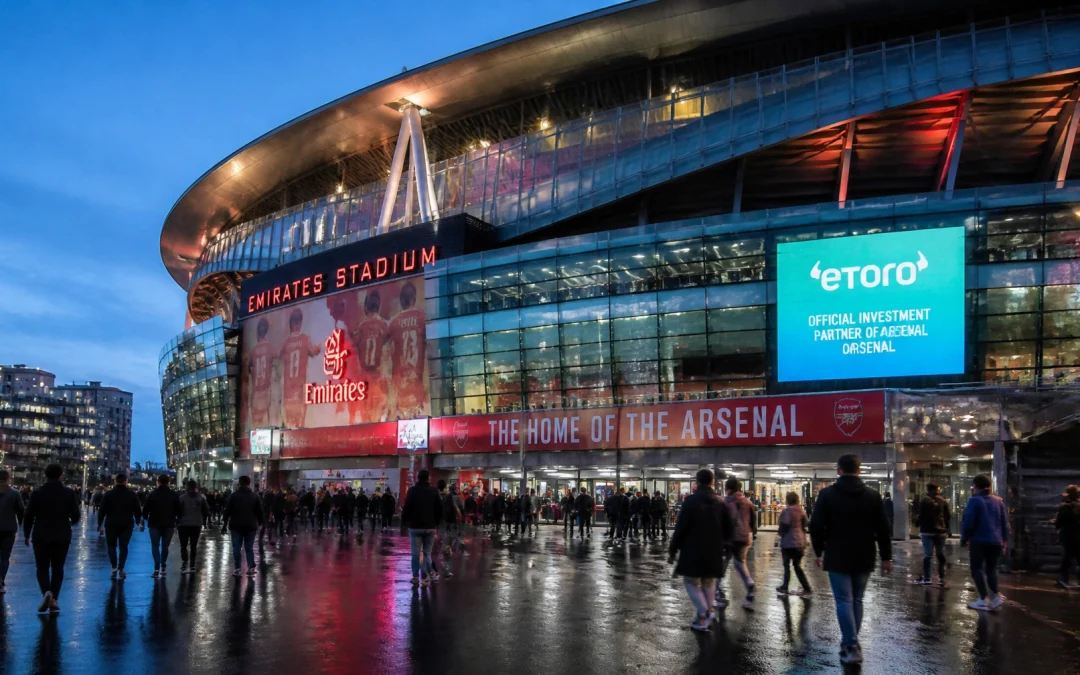
Digital out-of-home (DOOH) advertising has fundamentally transformed how brands connect with audiences in the sports sector. Moving far beyond static billboards, modern sports marketing relies on dynamic, data-driven campaigns that surround venues and engage fans across multiple touchpoints. Industry reports indicate that DOOH now accounts for over one-third of total out-of-home revenues, establishing itself as the fastest-growing channel in the advertising ecosystem. With U.S. out-of-home spending projected to reach significant new highs and programmatic DOOH growing at a rapid compound annual growth rate, advertisers are shifting budgets toward environments where live audiences gather. Understanding the mechanics of this shift is essential for media buyers, brand managers, and chief marketing officers seeking maximum return on investment. Detailed insights on these market shifts can be found in the DOOH industry insights on driving the next wave of sports advertising.
Objective and Strategy: Building the Digital Surround
Traditional sports advertising often relied solely on fixed stadium signage or linear television spots. Today, successful campaigns implement a comprehensive digital surround strategy that captures the entire fan journey from home to the arena and back.
- Securing available digital inventory within a ten-mile radius of sports venues.
- Utilizing geo-fencing around arenas to target high-density fan zones on game days.
- Deploying messaging across transit screens, digital kiosks, and urban panels along commuting corridors.
This methodology ensures that brand visibility is not confined to the stadium bowl. Instead, advertising becomes an omnipresent element of the game day experience. For further exploration of these techniques, review the analysis on fan engagement strategies and stadium perimeter advertising.

Technology Partners and Programmatic Execution
The integration of programmatic buying has revolutionized how DOOH inventory is transacted. Programmatic platforms allow advertisers to automate ad delivery based on real-time triggers such as weather conditions, traffic flows, time of day, and live sports scores.
- Automated bidding ensures ads appear when audience concentration peaks near venues.
- Dynamic creative optimization adapts visual assets instantly without manual intervention.
- Cross-channel synchronization aligns outdoor screens with mobile devices and streaming broadcasts.
Recent milestones in programmatic infrastructure have enabled platforms to deliver real-time fan engagement at scale. Companies utilizing these advanced networks can target specific audience segments, such as home versus away fans or demographic cohorts, ensuring high relevance. Additional details regarding platform capabilities are outlined in reports on programmatic DOOH platforms delivering real-time fan engagement at scale.

Stadium Perimeter Advertising and In-Venue Innovation
Inside the venue, stadium perimeter advertising has evolved from static painted boards into high-definition LED ribbon boards, pitch-side displays, and concourse screens. These displays serve multiple operational and promotional functions during a live event.
- Displaying synchronized sponsor messaging that complements live game action.
- Pushing real-time promotional offers, merchandise updates, and seating upgrades to concourse screens.
- Integrating interactive elements such as QR codes and short URLs to encourage immediate mobile participation.
The tactical deployment of perimeter assets allows brands to capture high emotional attention. Studies show that venue-based DOOH achieves remarkable ad recall rates compared to traditional television broadcasts, with a vast majority of exposed consumers taking subsequent online or in-person actions.
Measurement and Attribution
Measuring the success of outdoor advertising has historically presented challenges. However, modern sports DOOH leverages sophisticated attribution models combining impression modeling, mobility data, and digital analytics.
- Mobility analytics track movement patterns from DOOH exposure locations to retail stores or venues.
- Digital attribution ties outdoor impressions directly to mobile app installs, website visits, and ticket sales.
- Comprehensive brand lift studies measure changes in brand preference and purchase intent among exposed audiences.
These data-backed methodologies provide brand managers with transparent performance metrics. By quantifying return on ad spend and tracking local consumer behavior, marketing teams can optimize their media planning strategies with precision.

Conclusion and Strategic Takeaways
The evolution of sports DOOH represents a permanent shift in how brands engage sports enthusiasts. By combining programmatic flexibility, city-wide digital surrounds, and advanced measurement tools, advertisers can achieve unprecedented reach and relevance.
- Adopt a multi-layer media strategy that spans transit corridors, perimeter zones, and in-stadium screens.
- Leverage real-time data feeds to keep creative content dynamic and contextually relevant.
- Prioritize programmatic buying to optimize campaign delivery and maximize audience impact.
As the channel continues to expand, maintaining a data-driven approach will separate leading brands from competitors in the modern sports marketing landscape.