
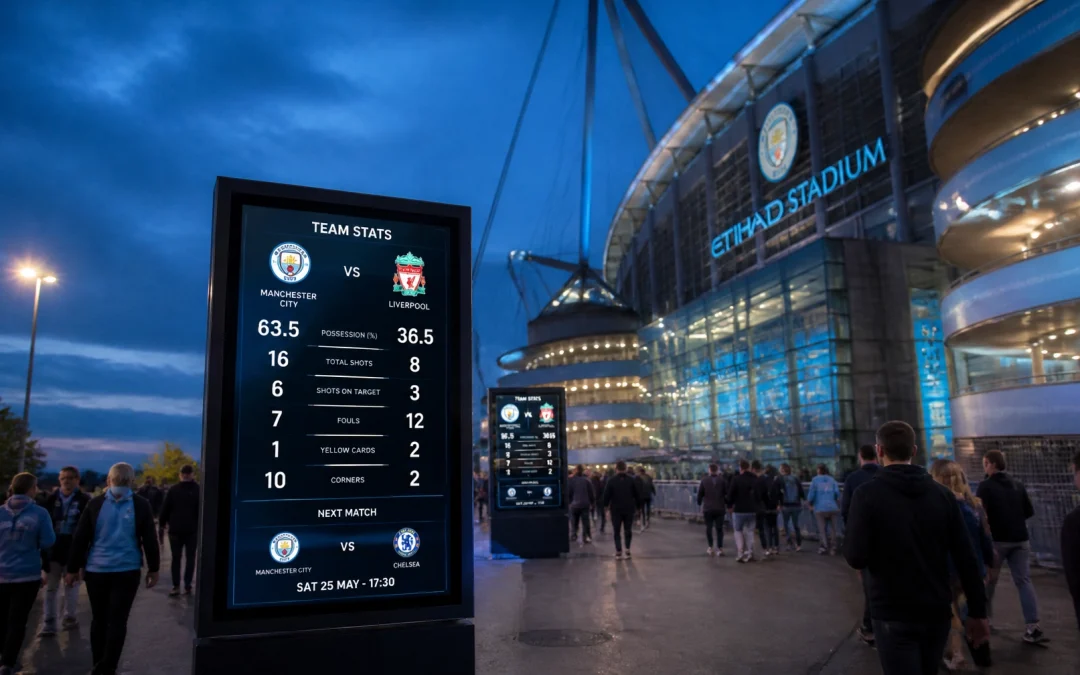
Digital out-of-home (DOOH) advertising has established itself as one of the fastest growing media channels within the sports marketing sector. As brands increasingly seek high-visibility environments to connect with audiences, the convergence of programmatic technology and live sports infrastructure is reshaping the industry. Advertisers, media planners, and brand managers now have unprecedented access to dynamic screen networks that operate at scale. Understanding these macroeconomic shifts and technological advancements is essential for organizations aiming to optimize their media investments and maximize return on ad spend.
Market Trajectory and Growth Drivers
The global DOOH market continues to expand at a rapid pace, with valuations projected to scale significantly over the coming decade. Industry reports indicate that DOOH now represents over forty percent of total out-of-home revenues, driven largely by the transition from static paper billboards to high-definition digital displays.
Several key factors contribute to this sustained growth:
- Technological Infrastructure: Municipalities and venue operators are embedding digital signage directly into urban transit hubs, retail districts, and arena surroundings.
- Programmatic Trading: Automation allows buyers to execute targeted campaigns with unprecedented speed and flexibility.
- Consumer Trust: Research consistently demonstrates that audiences view physical digital screens as more trustworthy and less intrusive than traditional online or social media ads.
For brands operating in competitive verticals, OOH sports campaigns offer a reliable framework to reach targeted demographics without the ad-fatigue often associated with digital devices. Organizations can review recent developments and industry milestones through the OOH Sports Blog.

The Evolution of Programmatic DOOH in Sports Media
Programmatic buying has fundamentally transformed how media buyers approach outdoor advertising. Rather than relying on rigid, long-term manual bookings, advertisers utilize automated platforms to secure inventory based on specific audience data, day-parting triggers, and contextual parameters.
Within the sports sector, programmatic capabilities enable campaigns to align directly with live event schedules:
- Automated Day-Parting: Ads activate automatically during peak commute windows, game day arrivals, and post-match celebrations.
- Location-Based Targeting: Bids are optimized for screens positioned within specific radiuses around major stadiums, sports bars, and transportation corridors.
- Dynamic Optimization: Budgets shift in real time based on inventory availability and audience footfall metrics.
This level of operational precision reduces wasted impressions and ensures that messaging reaches relevant consumer segments precisely when attention levels peak. Detailed analyses of these methodologies are available via the OOH Sports Case Studies.
Maximizing Impact Through Stadium Perimeter Advertising
Physical proximity to live sporting events creates a unique psychological environment for spectators and television viewers alike. Stadium perimeter advertising captures the undivided attention of both in-venue crowds and broadcast audiences tuning in from home or commercial venues.
Strategic placement around arena perimeters delivers distinct advantages:
- High-Frequency Exposure: Fans encounter brand messaging repeatedly during ingress, egress, and throughout the duration of the match.
- Broadcast Visibility: LED perimeter boards frequently appear in televised game broadcasts, extending brand reach far beyond the physical stadium footprint.
- Enhanced Recall: Studies from independent research firms indicate that exposure to physical sports advertising significantly elevates brand recall and purchase intent.
By integrating stadium perimeter advertising into broader omnichannel frameworks, brands establish a continuous physical presence that complements digital and linear television investments. Further information regarding network capabilities can be found on the OOH Sports About Page.

Data-Driven Creativity and Real-Time Fan Engagement
Modern DOOH campaigns extend far beyond simple logo placement. Advances in data integration allow creative assets to adapt dynamically to external conditions and live game metrics. Through partnerships with real-time data providers, marketers can deploy responsive messaging that reflects unfolding events on the field.
Key tactics for optimizing creative delivery include:
- Live Score Integration: Updating ad copy dynamically based on game scores, team statistics, or odds shifts.
- Contextual Triggers: Modifying visual creative in response to local weather conditions or crowd density patterns.
- Call-to-Action Synchronization: Encouraging immediate digital actions, such as visiting an official team app or participating in live fan engagement initiatives.
This responsiveness transforms passive viewers into active participants, fostering deeper connections between brands and sports enthusiasts. Comprehensive network metrics and platform capabilities are detailed directly on the OOH Sports Website.

Strategic Takeaways for Modern Advertisers
As the digital out-of-home ecosystem matures, media planners must adopt forward-looking strategies to maintain a competitive edge. Success in sports marketing requires a disciplined approach to inventory selection, data utilization, and measurement.
To capitalize on current industry trends, marketing teams should consider the following steps:
- Embrace Omnichannel Synergy: Coordinate DOOH flights with mobile retargeting and social media campaigns to reinforce key messages across multiple touchpoints.
- Prioritize Accountability: Demand robust attribution metrics, including tune-in lift analysis, footfall tracking, and verified brand lift studies.
- Leverage Programmatic Efficiency: Utilize automated platforms to secure premium inventory near high-traffic sports venues with minimal friction.
- Focus on Brand Safety: Utilize verified outdoor networks to protect brand equity in environments characterized by high consumer trust.

The ongoing expansion of programmatic DOOH networks offers unprecedented opportunities for brands seeking authentic connections with sports audiences. By combining strategic location planning with dynamic, data-driven creative content, advertisers can achieve measurable impact and sustainable brand growth across all major sports markets.